
For many motor traders, trade plates are an essential part of daily operations. But if you’re new to the industry, it can be confusing to know how they work, when you’re allowed to use them, or even how to obtain them in the first place.
This guide breaks down what you need to know about trade plates in the UK, covering eligibility, costs, and the proper steps for applying and using them correctly.
What are trade plates?
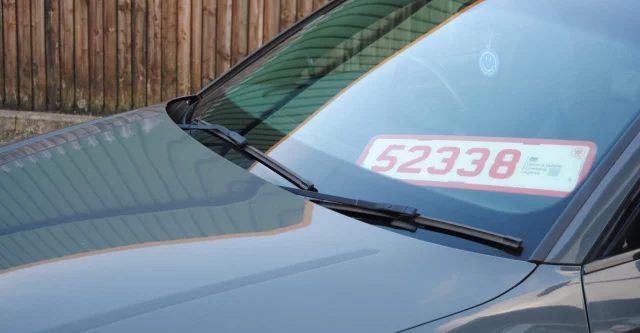
Trade plates are number plates used on vehicles for business activities within the motor trade.
If you display trade licence plates on any vehicle, you, your employees and customers can drive the vehicle for specific purposes without needing to pay for registration and tax.
Who uses trade plates?
Trade plates are strictly for individuals and businesses operating within the motor trade industry – members of the public cannot use them for personal use.
Most professionals in the trade would benefit from trade plates. According to the government website, you can apply for a trade licence plate if you:
- Sell vehicles.
- Repair or manufacture vehicles.
- Test other people’s vehicles on public roads.
You may also be eligible if you collect or deliver vehicles, provided that this is the sole activity of your business, or if you also manufacture or repair vehicles in addition to collecting and delivering them.
How much do they cost?
The cost of your trade plate licence depends on when you apply and how long your licence is valid for. It can vary from £94.05 for 6 months to £171 for 12 months for standard vehicles such as cars and vans.
How it works
- You cannot get a licence for less than 6 months or more than 12 months at a time.
- All trade plate licences expire on either 30th June or 31st December.
- When you get your first licence, it will last for between 6 and 12 months, depending on when you apply.
The cost of trade licences can change, so make sure to check the government website for the most up-to-date prices.
Using trade plates
When to use them ✅
With trade plates, you can:
- Deliver cars to your customers.
- Carry out test drives (e.g. after repairs or for potential buyers).
- Take cars to and from a pre-booked MOT test.
- Move stock.
When not to use them ❌
You cannot use trade plates:
- For personal journeys or carrying passengers for hire and reward.
- On vehicles that are not roadworthy, are uninsured or do not have a valid MOT (unless exempt from MOT).
- For purposes other than what you specified in your application form.
- For parking on public roads.
How to display them
It’s also important to make sure that you display your trade plates correctly when using them.
You need to:
- Put them on the outside of the vehicle.
- Put them on both the front and back of the vehicle (unless it’s a motorcycle).
- Not cover the existing number plates (unless it’s a motorcycle).
- Ensure that they’re easily readable from 20 metres away.
How to apply for trade plates
1. Make sure you’re eligible
To get a trade plate licence, you must be a motor trader or vehicle tester and have a valid motor trade insurance policy in place.
2. Download and complete the correct form
If you’re applying for a trade licence for the first time, you need to use the VTL301 form.
If you’re renewing your trade licence, use the VTL318 form.
When applying for a new trade licence, you’ll need to provide:
- Your business details – your business name, address, and the nature of your business.
- Your personal details – your name and contact information.
- Details of how you’ll use the trade plates.
3. Send your application to the DVLA
The address you need to send your application to is DVLA, Swansea, SA99 1DZ.
You’ll need to include a copy of your Motor Trader’s Insurance Certificate with your form when you send it to the DVLA. The name on your insurance certificate must match the name on the application form.
4. Wait for your confirmation letter and trade plates to arrive
You should be sent a confirmation letter and trade plates in the post within 4 weeks of applying if your application is approved. Keep in mind that they will be sent separately.
If you have not received your letter of confirmation or trade plates after 4 weeks, you should contact the DVLA.
Protect your motor trade business with Patons Insurance
Running a motor trade business comes with its own unique risks, which is why we offer insurance solutions to ensure your assets, employees, and customers are fully protected.
At Patons, we believe that finding the right cover should be easy. We’ll compare quotes from some of the UK’s leading insurers to find you the best deal, so you can focus on what matters most to you.
Get started on your quote today by filling out the form on our website or by calling us on 0333 015 6886.