
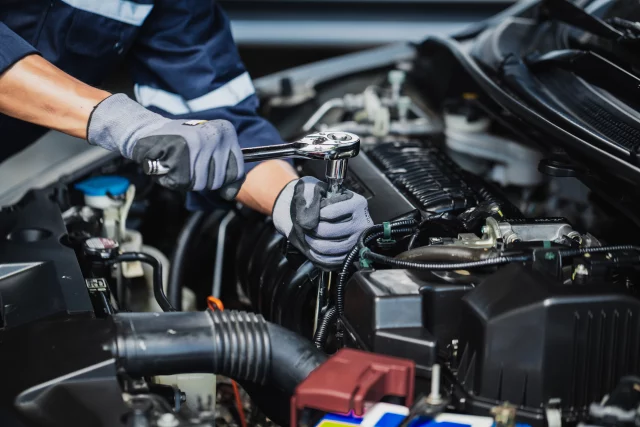
With more than 42 million vehicles on UK roads, skilled mechanics are always in high demand, making it a viable career choice for people who are passionate about cars and interested in working in the motor trade.
If you’re thinking about starting your own mechanic business, there are many different factors to consider. From gaining the right qualifications and training to creating a business plan and arranging motor trade insurance, this guide breaks down each step involved in setting up your own mechanic business.
1. Decide what type of business you want to start
The first step is deciding what kind of mechanic business you want to run. There are many different business models to choose from, including:
- Mobile mechanic business
- Independent garage or workshop
- MOT testing centre
- Specialist vehicle servicing (such as EVs, vans, or fleet maintenance).
The right option for you will depend on your skills, interests, and the level of demand in your local area. Spotting any gaps in your local market could help you identify a strong business opportunity.
2. Gain the right qualifications and experience
If you’re not already a qualified mechanic, your next steps will involve gaining the necessary qualifications and hands-on experience. The two most common routes are completing a college course or starting an apprenticeship.
College courses
College courses can vary from entry-level to intermediate. Course examples include:
- Vehicle Systems Maintenance
- Live Vehicle Maintenance & Repair
You can also take specialist courses, such as training for electric and hybrid vehicles.
Entry requirements may vary depending on the course and college, but you may need to have GCSEs or equivalent qualifications.
Once you complete your course, you’ll be qualified to apply for trainee motor mechanic roles.
Apprenticeships
An apprenticeship allows you to build practical experience while earning a salary.
Options include:
- Motor Vehicle Service and Maintenance Technician (Light Vehicle)
- Autocare Technician
- Heavy Vehicle/Bus & Coach Engineering Technician (specialised training for working on commercial vehicles)
As with college courses, entry requirements will vary depending on the provider and the type of apprenticeship.
After qualifying, many mechanics choose to work at an established garage to gain further experience, build industry knowledge, and save money before launching their own business.
3. Create a business plan
Once you’ve gained the right qualifications and decided on the type of business you want to run, the next step is creating a business plan.
A business plan not only helps you define your goals and direction, but it’s also essential if you plan to apply for funding or secure a business loan from a bank.
It will include:
- An overview of what your business will do
- Market analysis
- Business goals
- Products and services you’ll provide
- Financial plan.
The UK government website also provides a range of helpful resources and templates to guide you through writing your own business plan.
4. Register your business
You’ll need to register your business with HMRC to comply with legal requirements.
When setting up your business, you can choose to operate as either a sole trader or a limited company.
Many new business owners start as sole traders, as it’s generally the simplest option to set up and keep records for.
5. Get motor trade insurance
Motor trade insurance is a legal requirement and covers businesses that buy, sell, repair or service vehicles. It helps protect your business, your vehicles, and day-to-day operations, giving you added peace of mind.
You’ll still need motor trade insurance even if you work part-time, operate from home, or run a mobile mechanic business.
💡Find out more about motor trade insurance in our expert guide.
6. Find the right location
You will also need to decide what type of location you will trade from. Common options include:
- Home garage setup
- Renting workshop space
- Industrial unit.
Your business plan should help you determine which option is most suitable for your needs and budget.
When choosing a location, it’s important to consider factors such as planning permission, customer accessibility and parking, visibility and convenience, as well as the level of competition in the local area.
7. Buy equipment and tools
Your business plan will outline what tools you need and how much it will cost. Depending on the type of business you run, you may need to purchase:
- Vehicle lifts
- Diagnostic tools
- Air compressors
- Hand tools
- Tyre equipment
- Battery testers
- EV safety equipment.
Many new businesses lease larger equipment when starting out to cut costs. It’s also worth bearing in mind that tools often become expensive long term due to reliability issues, so sourcing quality equipment matters.
8. Set your pricing structure
Having a clear and consistent pricing structure will help you maintain profitability and build a loyal customer base.
The best approach is to research local competitors and strike a balance between offering competitive rates and ensuring your business remains profitable.
9. Get your first customers
Once your business is up and running, your next step is attracting customers. It’s best to use a variety of marketing methods, such as:
- Word-of-mouth referrals
- Local SEO
- Leaflet drops
- Partnerships with dealerships and fleets
- Subcontracting work
- Facebook Marketplace and local community groups.
You could also offer introductory discounts or loyalty schemes to encourage repeat business and build a steady stream of income.
In addition, developing an online presence through social media can be useful for showcasing your work and sharing customer testimonials to build a positive reputation.
Final thoughts
Starting your own mechanic business can be a highly rewarding move if you’re genuinely passionate about working in the motor trade. While there are upfront costs and legal responsibilities to consider, there is great potential for success with the right planning and considerations.
Looking for motor trade insurance?
We understand that running a motor trade business comes with its own unique risks. That’s why we offer insurance solutions to ensure your assets, employees, and customers are fully protected.
Get your fast, free and competitive quote from us by completing our quote form or calling us on 0333 015 6886.