
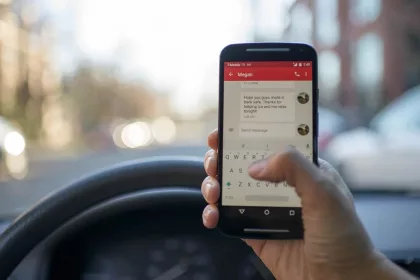
Taxi Drivers affected by new mobile use laws
Taxi drivers will be effected by new laws being introduced next month to reduce distractions on the road make it illegal to use virtually all tech devices while driving.
Under the new regulations which come into force on March 25, anyone caught using mobile phones, tablets, smart watches, PDAs or any other communication devices, will face a £200 fine and 6 points on their licence.
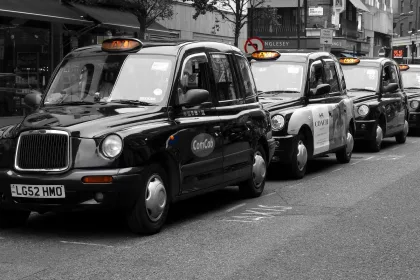
Clean Air Zones affect taxi drivers in the UK
Clean air zones are being rolled out in towns, cities and regions in a bid to cut pollution. But the drive to keep more-polluting vehicles off the roads could hit taxi drivers in the pocket.
Drivers are being faced with the choice of passing on to customers the daily charge for each Clean Air Zone (CAZ) they enter, or switching to cleaner, greener vehicles which are exempt from CAZ charges.

Your Guide To Becoming A Taxi Driver
For generations, communities have placed trust on their local taxi firm to support them with all their transportation needs.
From airport drop-offs to the last-minute booking after a heavy night out with your closest friends, they have undoubtedly been at the heart of many of our towns, and for that, we are entirely grateful.

Broking Success: Driving Forward
Patons Insurance managing director Darren Roberts tells Insurance Age why the broker got into the taxi insurance sector and how it’s coped with the pandemic.

POLL: Will your next taxi be electric?
In order to give taxi firms and drivers the edge in helping care for the planet – but look cool while driving, here are 9 sure facts that will excite you into getting yourself a hybrid or all-electric taxi.

The Patons App – Anytime, anywhere in just a few taps
Juggling fairs, traffic and admin can sometimes be a massive balancing act so why not make your life easier?
With the Patons app you can manage your taxi insurance 24 hours a day, 365 days a year. Allowing you access to your policy details anytime, anywhere.

You spoke, we listened! Introducing our new Taxi Insurance Quick Quote!
Over the last few months we have had our ear to the ground, speaking to taxi drivers about their experiences getting private taxi insurance and public taxi insurance. We also ran a Twitter poll that posed the question: “How do you prefer to buy your Taxi Insurance?”
We gave the options of online, over the phone or face to face, to see exactly how customers would prefer to sort out their taxi insurance with us.
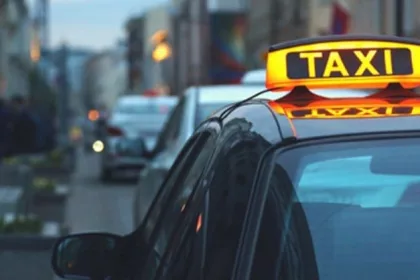
A Guide to choosing the right Taxi Insurance
Choosing taxi insurance needn’t be difficult, we have just the solution, here at Patons Insurance! Making sure that you have the appropriate cover to drive your taxi is simple with Patons; we provide insurance for all taxi drivers, regardless of whether you drive a public or private taxi.
We can help you to stay clear of any unnecessary, costly consequences by providing you with insurance advice.

A Taxi Drivers Guide to Driving Safely in Wet Weather
Working as a taxi driver allows you a certain amount of freedom, but one thing you have no say over is the weather. Come rain or shine you need to be on the road, ferrying passengers from A to B easily and efficiently.
When the heavens decide to open, you still have to carry on, unless the weather gets so perilous that you have no other option than to stop.
Telematics Poll
We are currently running a poll over on our Twitter page @PatonsTaxis. Get involved and give our page a follow!
Would you consider having a telematics box fitted to your taxi if good driving was rewarded with a discount to your insurance?
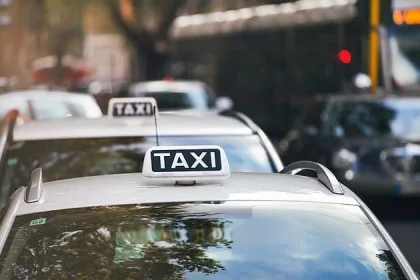
Which Taxi Insurance is Right for Me?
If you’ve decided to become a taxi driver in your local area and got to the point where you have been granted a 1 or 3 year Taxi Driver Licence, you will undoubtedly be keen to get started in your new profession.
The next stage is making sure that your chosen vehicle is licensed as a taxi for the road.
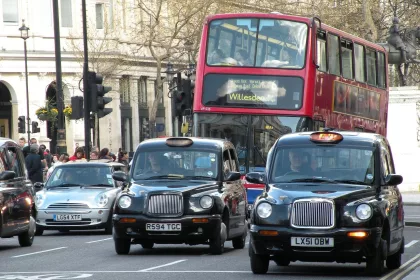
How does Commercial Taxi Fleet Insurance work?
Whether you have a fleet of taxis, minibuses, motorbikes, vans or HGVs, it can be a complicated procedure to get them insured individually.
Ideally, you should try and get one policy that will cover the entire fleet, making the whole coverage a lot easier to manage.