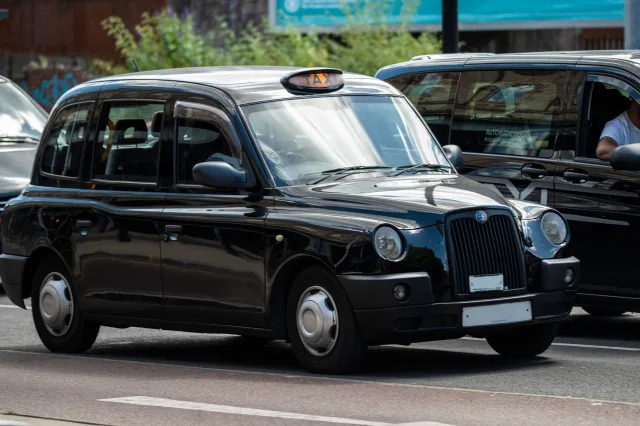
Taxi drivers enjoy the freedom and flexibility their role offers them. One fare could be a short trip to deliver passengers to the pub, while the next is a longer run to the airport. And they meet all sorts of people along the way.
While variety adds to the enjoyment of a shift, drivers also look for regular, guaranteed income, which makes school contracts so appealing.
Councils across the UK alone spend more than £1 billion a year on school transport, with many contracts issued to taxi and private-hire operators transporting pupils in rural areas, as well as those with special needs who could not get to school by public transport or walking.
Planning
While this might seem a daunting market to enter, Cabsoluit points out that the process of establishing school transport to your taxi business is easier than you might think — with some careful planning and strict adherence to safety regulations.
Planning includes which services you will provide, detailing routes and times, the ages you will transport and the vehicles you will be using.
Contracts are awarded through formal tendering processes and are usually issued to the lowest-cost bidder who is fully licensed and regulation compliant.
Routes available for tender are advertised on local council procurement pages.
Appeal
TaxiGee perfectly explains the appeal of a school contract.
“A school run contract delivers the same journey, at the same time, on the same days, for 39 weeks of the year. The pickup address is fixed. The destination is fixed. The schedule is fixed. The revenue is guaranteed for the duration of the contract, typically one to three academic years.
“For a taxi operator, this predictability is extraordinarily valuable. A school run that generates £30 per day, five days per week, produces £150 per week and approximately £5,850 per academic year — from a single route that occupies one vehicle for perhaps 90 minutes per day. Two school routes generate £11,700. Three routes: £17,550.
“And because school runs operate between 7.30-9am and 3pm-4pm, they fill the hours that are typically the quietest for general taxi work, without conflicting with your peak-demand periods.”
Fitting the bill
In order to secure and maintain school contracts, drivers and operators must meet strict requirements, starting with a valid private hire or hackney carriage licence for all vehicles. All drivers must also have enhanced DBS checks.
Appropriate taxi insurance or private hire insurance must be in place with minimum cover levels matching the requirements of the tender.
Each vehicle requires a licensed driver as well as a passenger assistant, especially for children with special needs.
Many councils require drivers to complete safeguarding training and reporting procedures.
The price is right
When it comes to calculating the price for the tender, drivers need to be realistic about the time the job will take. They should include the distance, including dead miles, fuel costs, vehicle wear and tear and driver time.
As a guideline, TaxiGee says daily rates for a single-vehicle school route range from £25-£60 for short local routes and £60-£150+ for longer SEN or rural routes.
As part of your tender and negotiations with the school, you can decide whether to charge per job or via monthly invoicing and payments.
Always be on time
One of the keys to running a school contract is being on time for every pick-up and drop-off. Drivers who are repeatedly late are likely to have their contracts cancelled. There is no margin for error.
As part of safeguarding, drivers should make a note of every pick-up and drop-off time. This can also help with any disputes regarding punctuality.
Familiar face
Another key point to remember is consistency of drivers, particularly for younger children and especially those with special educational needs. Having that familiarity helps them start and end the school day calmly.
It is also vital that drivers keep in regular contact with parents and schools, letting them know when children have been collected and delivered.
Notifications via apps are becoming more popular, especially as parents are usually rushing around doing other things while their children are on the way to school.
It also reduces the burden on drivers who can concentrate on getting children to and from school safely and on time, and not getting distracted with communications.