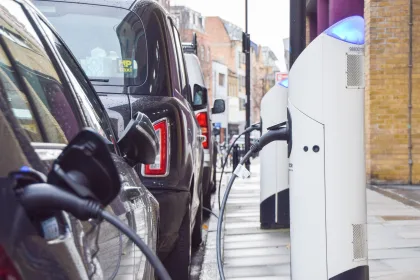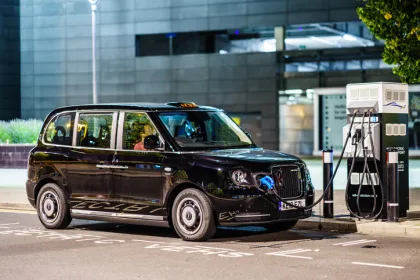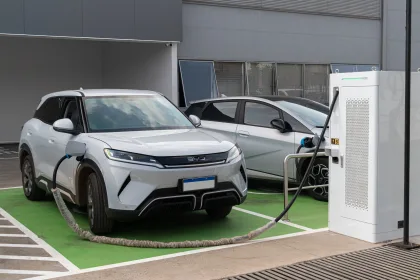
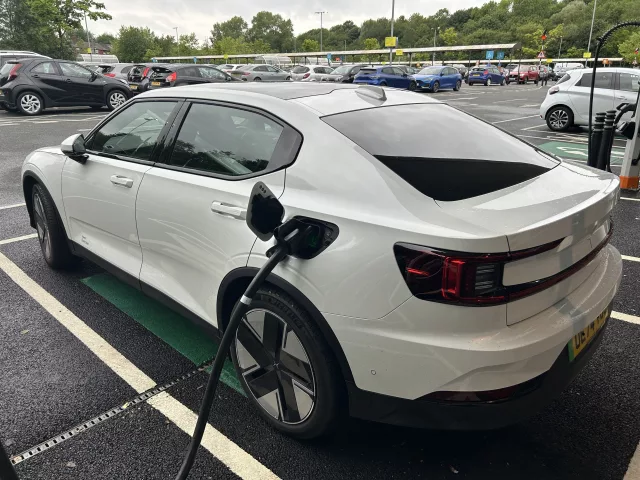
People’s attitudes towards buying an EV vary depending on where they live.
Much like the erratic mobile phone coverage experienced in areas such as Cornwall and the Scottish Highlands, experts warn there is a risk these regions will be left behind when the sale of new petrol and diesel vehicles is banned in 2030.
But the driving force behind these differences is the contrast in availability of charging infrastructure, rather than attitudes towards greener motoring.
Plugged-in postcodes
As the 2030 deadline gets closer, there are currently 1.8 million fully electric cars in the UK, which equates to 5.5% of the total 34 million cars on our roads, so there is still a long way to go.
And while the goal is to change people’s attitudes towards EVs, Automotive Management reports that analysis by Autotrader demonstrates the gaps in certain areas will be more difficult to fill.
The vehicle seller based its analysis on people who had viewed at least one EV on the site in the past 90 days, with Scotland and the South West appearing in the bottom 10 areas with the lowest interest.
While 85% of people living in a city region would consider an EV for their next car, only 45% of people living in rural areas would contemplate making the switch. The areas with the lowest interest include Plymouth (27.1%), Taunton (27.1%), and Belfast (27.4%).
This creates a dilemma for auto traders who need to supply vehicles that will meet customer demand. And with technology constantly improving, there is no incentive for motor traders to have EVs sitting for long periods in showrooms and forecourts, taking up space when other vehicles sell more quickly.
Driving growth
Ian Plummer, chief customer officer at Autotrader, told Automotive Management: “We’re seeing notably lower levels of EV interest in regions like the South West and Scotland, which reflects deeper structural challenges, rather than a lack of appetite for cleaner transport.
“These areas have more rural communities and longer average driving distances all of which make switching to electric feel riskier and less practical for drivers — even though that’s not necessarily the case, as both regions have more rapid chargers per head than the UK overall.”
Despite the regional differences, Autotrader said it has seen a 28% increase in views of EVs on its platform last year, for both new and used models.
It put this down to EVs becoming more affordable than they were five years ago, with a better selection of models and options, as well as discounts and offers.
And while the initial cost of a new EV is also reducing, Autotrader found that demand for used EVs had increased 28% year on year for vehicles up to six years old, with a 50% increase in inquiries for vehicles aged three to six years.
But Automotive Management said: “However, it warned of pressure on the 0-to-3-year-old segment, describing a ‘squeezed middle’ as buyers are pulled towards new EV offers at around the £30,000 price point and towards better value 3-to-6-year-old used models.”
Road to change
Despite the regional differences, Autotrader found that demand for EVs is stepping up a gear.
Mr Plummer said: “The momentum behind electric vehicles is unmistakable. Interest jumped 28% last year and we’re seeing a market that is now maturing, particularly as the used market develops.
“But whilst growth is positive, the current levels are insufficient, and our data shows the UK’s EV transition isn’t currently fair or evenly distributed. It’s a two-speed road to 2030.
“If we’re serious about nationwide progress, we need to bring everybody with us rather than entrenching economic divides. In practice, this means widening the scope of the Electric Car Grant to the used market.”
He called on the government to rethink its policy on taxing EVs and scrap the pay-per-mile charges.
He warned: “It sends mixed messages to consumers which risks delaying the UK’s transition at a time when only around 5% of cars on UK roads are electric.”