Businesses will be able to tap into £1 billion to help make the switch from petrol and diesel vans and trucks to electric vehicles.
The initial cost of electric trucks and vans means many businesses are struggling to make the switch or are unable to proceed at the pace they would like.
As well as grants to discount the upfront price of a new electric commercial vehicle, financial support is also available to create charging networks at depots to help keep fleets moving.
The Government is delivering £1 billion through Zero Emission Truck and Van Grants (ZETVG) and Depot Charging Scheme (DCS) to support the switch to electric, helping to reduce exposure to fuel price uncertainty.
Heavyweights
For trucks, the level of discount – which will be included in the purchase price – depends on the weight of the vehicle. The seller will include the discount in the purchase price.
Trucks weighing 4.25 to 12 tonnes are entitled to a maximum grant of £15,000 or 20%.
For trucks weighing 12 to 18 tonnes, the maximum discount available is £37,000 or 40% and trucks weighing 18 to 26 tonnes are entitled to grants of £52,000 or 40%.
The heaviest vehicles, weighing more than 26 tonnes, are entitled to a maximum discount of £81,000 or 40% of the upfront cost of the vehicle.
Vans
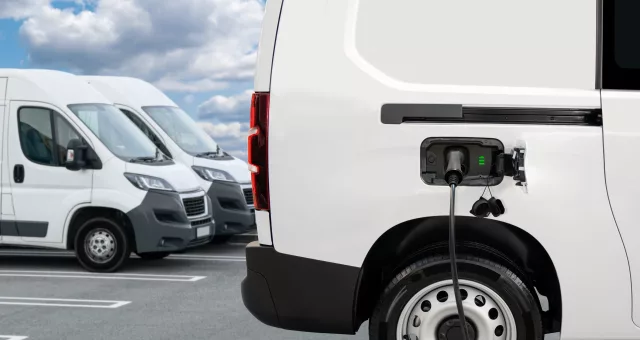
Support is also available for vans, with discounts of up to 35%, which will be included in the purchase price.
The maximum discount available for small vans is £2,500. To be eligible, vehicles must weigh less than 2,500 kilograms gross vehicle weight, produce 0gCO2/km at the tailpipe and be able travel at least 96km (60 miles) without any emissions.
The maximum discount available for some large vans is £5,000. To qualify, vehicles must be between 2,500kg and 4,250kg gross vehicle weight, produce 0gCO2/km at the tailpipe and be able to travel at least 96km (60 miles) without any emissions.
Depot charging scheme
As well as support to purchase new EVs, businesses will also be able to save up to £1 million when installing chargers for vans, coaches, and HGVs.
The Depot Charging Scheme (DCS) will cover up to 70% of the cost when installing charging infrastructure through a £170 million investment from the Government. Having their own charging network will help businesses avoid sudden hikes and maintain steady running costs, in the same way do with fleet insurance, vehicle excise duty and maintenance and service.
Aviation, Maritime and Decarbonisation Minister Keir Mather said: “This £1 billion investment cuts cost for British businesses, supports jobs, cleans up our roads, and gives operators protection against shifting global fuel prices.
“The logistics sector is the backbone of the UK economy, worth £170 billion and supporting 2.7 million jobs. We’re helping them expand and decarbonise their fleets whilst saving them cash, driving growth up and down the country.”
Support
The funding has been welcomed by Logistics UK, which has welcomed the support for businesses.
It said: “Logistics UK welcomed this package of support, as we have been calling for increased financial incentives the sector to help support enable the transition to zero emission vehicles.
“The Depot Charging Scheme will also play a crucial role in supporting fleet operators to install affordable, reliable charging infrastructure at their depots.”
Despite the financial support being made available, Logistics UK believes more still needs to be done.
It added: “With industry committed to decarbonising, but many barriers still in place, Logistics UK will continue to call for support for depot charging, given the scale of the transition.
“Policy asks include needing transparency on available grid capacity to help inform investment decisions, the energy sector to produce clear guidance to help fleets navigate the grid connections process and also reform to planning to support the installation of depot charging.”