Companies that take charge of their EV transition are the ones that have a clear vision of their destination and how to reach it.
That doesn’t mean they have to find the solutions themselves – those that are currently best placed to benefit from a competitive advantage are companies that have started early, listened to the experts and made creating an EV fleet their priority.
Taking advantage of change
The key for any business navigating major change is to take ownership of it and ensure that they have the right expertise and attitude to not just deliver, but to use the new technology to the company’s advantage.
Motor Finance Online reports that with the 2030 ban on the sale of new petrol and diesel vehicles fast approaching, last year saw many fleets lay the groundwork for their EV transition. But it expects this year will be when the biggest change starts to happen.
It said: “With the right focus and support, businesses can quickly turn this learning curve into a competitive advantage.
“By starting early, using expert guidance, and treating electrification as a core priority, organisations can test, learn, and scale with confidence, making the transition smoother, faster, and more rewarding.
“The 2030 requirement for 80% of new car and van sales to be zero-emission marks a turning point: the EV transition is moving from a business ambition to an operational necessity.”
That is the key point – it is happening. In the same way they have to have fleet insurance, company vehicles will have to be electric.
Electric excellence
The emphasis now, as Motor Finance Online explains, is not about whether to electrify, but how to do it well.
“Three factors – ownership, cost and innovation – will define how fleet and facilities decision-makers approach electrification in 2026.
“The solutions exist; the key is clarity over who owns the transition internally. Clear ownership ensures data is accurate, decisions are fast, and knowledge grows.
“It transforms what can feel complex into a structured, manageable process. Teams with clear ownership can proactively tackle challenges, make informed decisions, and build confidence across energy use, grid management, and charge point installation.
“Early adopters such as Royal Mail and Scottish Water show the benefits of a focused, cross-functional approach. By starting early, using expert guidance, and treating electrification as a core priority, organisations can test, learn, and scale with confidence, making the transition smoother, faster, and more rewarding.”
Reaping the benefits
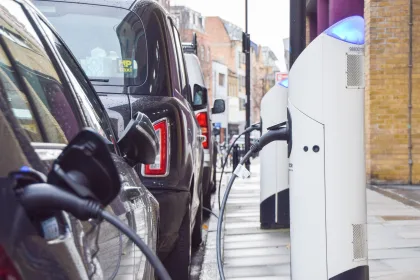
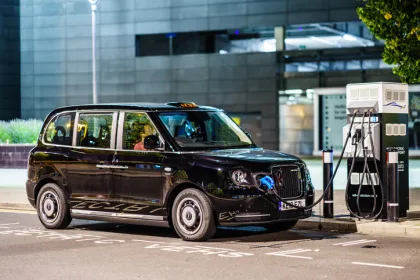
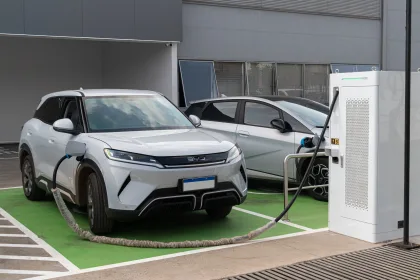
Adapting to a new infrastructure can be expensive and challenging, with companies having to choose between installing on-site chargers or navigating the public-charging network.
Once a company has decided on a route, it can be flexible how it manages the new system, from being able to reduce costs, to adding a new revenue stream.
Motor Finance Online said: “Creative solutions can make a significant difference. Simple optimisations include shifting charging schedules, utilising solar or other renewables for on-site charging, using battery storage strategically, or treating vehicles as mobile energy assets to reduce reliance on costly public chargers. Financing options for charging infrastructure can also ease upfront budget pressures.
“Partnerships can support this process. Combining data insight, creative energy strategies and smart investment enables businesses to move beyond trial and error and establish a sustainable, cost-effective charging model as fleets grow and electrification scales up in 2026.”
HGVs are a big issue
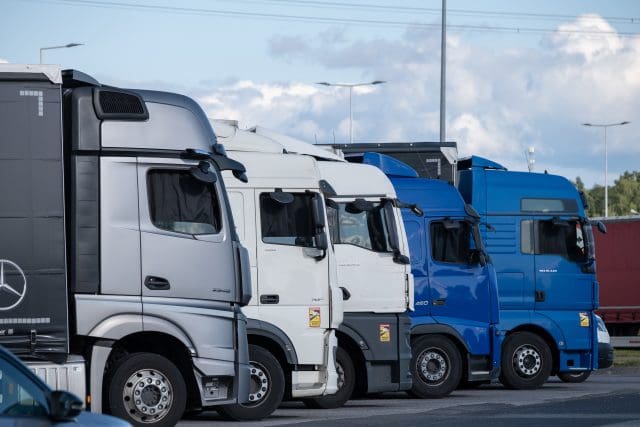
One of the biggest changes expected this year is HGVs. While they make up 16% of UK domestic transport emissions there are currently only a few EV HGVs because of their high electricity use.
Motor Finance Online said: “This gap presents a major opportunity for innovation.
“Challenges are familiar: limited vehicle availability, higher upfront costs and heavy demands on charging infrastructure. But the trajectory is clear. Just as electrifying vans took off a decade ago, early HGV adopters are laying the groundwork for a wider market. As vehicles evolve, so will depot and public charging networks, helping fleets integrate heavier EVs smoothly and cost-effectively.
“Fleet and facilities decision-makers should plan infrastructure and energy strategies early. They should also use lessons from smaller EV fleets. Doing so positions businesses to benefit from the next major wave of fleet electrification.”
As we head towards the 2030 deadline, businesses need to take control of their own EV pathway and aim for creative cost strategies which could not only save money, but also generate more. As EV HGVs also gather pace, there will be innovations and ideas that can be gleaned from their approach which can be scaled to other fleets to make the transition smoother.
Fleet electrification is definitely entering a new phase from which there will be no turning back. But instead of seeing it as a negative, businesses need to embrace it and find ways to take advantage of it.