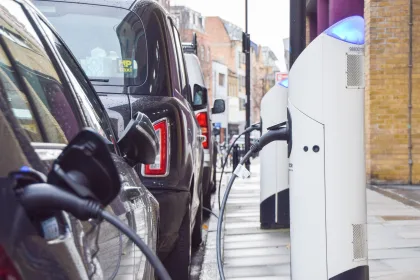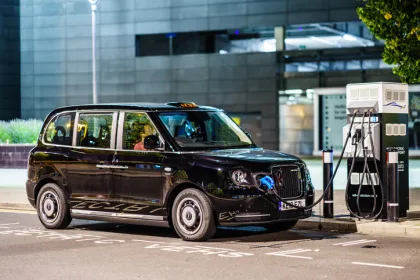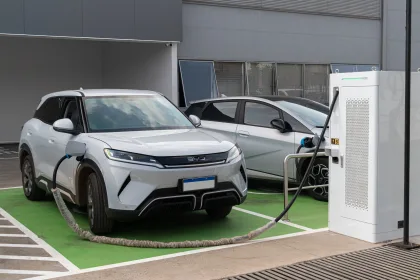

This is the moment that could drive more people to make the switch to electric vehicles — they are now cheaper to buy than many petrol equivalents.
Since the 2030 ban on the sale of new petrol and diesel vehicles was announced, there have been a variety of drives to encourage people to make the switch. But the biggest obstacle has always been the cost of buying a new vehicle that matches the performance of the one it is replacing.
Affordable alternative
It taken time, but we have almost reached a point where — with discounts and other incentives — it doesn’t make financial sense to buy a petrol car over an EV.
New data from Autotrader has found that after discounts, “the average price of a new EV has now undercut that of a petrol car across the retail market, driven by government grants and sustained manufacturer discounting that continue to improve affordability for new cars.
“The impact of this pricing trend has become more pronounced in April so far, with the average new electric car now priced at £42,620 compared with £43,405 for a new petrol model — a £785 difference in favour of electric.”
Autotrader performance director Bex Kennett said: “Support such as the Government’s Electric Car Grant, alongside historically high levels of discounting earlier this year, has brought EV prices to a point where they are now, on average, cheaper than petrol cars.
“At the same time, broader geopolitical uncertainty — including the situation in Iran — has pushed fuel costs and energy security back to the front of buyers’ minds, driving a noticeable uptick in interest in both new and used electric cars on our marketplace.
“While past spikes in EVs haven’t always translated into sustained purchasing, this combination of improved affordability and shifting attitudes towards the cars, presents a real opportunity to accelerate the switch to electric.”
Driven by discounts
Autotrader noted that discounting on new electric cars remains historically high and continues to help close the price gap with petrol models as the 2030 deadline approaches.
The publication said: “As prices become more competitive, consumer interest in new cars has remained strong. Autotrader reports that buyers looking at new cars on the marketplace have risen circa 20% so far in April, with improved affordability, government grant support and the arrival of ‘26 plate’ vehicles all contributing to increased buyer engagement. “
As more-affordable EVs drive an increase in demand, Autotrader found that MG reclaimed its position as the most popular new electric car brand in April, accounting for 11.7% of all new electric car enquiries so far, ahead of Renault (7.5%) and Kia (5.9%).
Autotrader also found that Chinese models are continuing to make inroads into the UK market, with the Jaecoo 7, MG S9, Omoda 5, Chery Tiggo and MG HS all featuring in the top ten most in-demand models.
In March, the Range Rover-lookalike Jaecoo 7 became the most in-demand new car of any fuel type, with more than 10,000 sold.
Autotrader noted: “The electric car market is becoming increasingly competitive, and despite the challenges created by the ZEV mandate, manufacturers and retailers have worked hard to improve both the supply and affordability of new electric vehicles.”
With three-and-a-half years to go to until new petrol and diesel vehicles are banned in the UK, consistent lower prices for EVs will hopefully mean a smoother road to the electric transition.
And having consistent demand will help motor traders increase supply and help keep prices down as individuals such as taxi drivers, as well as fleet managers and owners, will be regularly purchasing and replacing vehicles, as they have done in the past. The difference now is that they will be EVs.