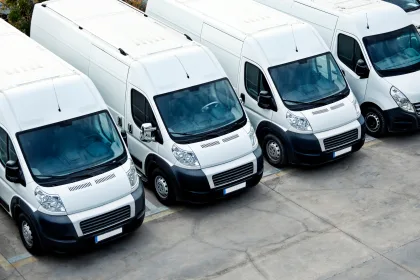

Keeping your fleet reliable and roadworthy is an important part of keeping the business running smoothly. A well-planned maintenance schedule can help reduce downtime, manage costs and keep your vehicles on the road.
In this guide, we’ll cover what fleet maintenance involves, the different types and how it can benefit your business.
What is fleet maintenance?
Fleet maintenance is the ongoing management and servicing of a company’s vehicles to keep them safe and reliable. It can help prevent unexpected breakdowns and extend the lifespan of your vehicles.
It typically involves monitoring vehicle condition, keeping up with routine servicing and carrying out repairs when needed.
Types of fleet maintenance
There are three main types of fleet maintenance: preventative maintenance, predictive maintenance and corrective maintenance.
Preventative maintenance involves scheduled inspections and vehicle servicing based on time, mileage or manufacturer recommendations. It’s generally considered the most effective type of fleet maintenance because it takes extra measures to prevent vehicle breakdowns, which reduces the risk of unexpected downtime.
Predictive maintenance uses vehicle data and analytics to predict when maintenance will be required based on the condition of the vehicle and its components. This is achieved by monitoring factors such as vehicle usage, performance and environmental conditions so that fleet managers can anticipate maintenance needs and address issues before they lead to major problems.
Corrective maintenance involves repairing vehicles after a fault or breakdown occurs. This method is typically used to address unforeseen breakdowns and issues.
The best fleet maintenance programs will combine preventative and predictive measures to keep things in order, implementing corrective measures as and when needed.
The benefits of regular fleet maintenance
1. Improved driver safety
Regular inspections and servicing help ensure that brakes, tyres, lights, steering and other critical components work properly. This reduces the risk of accidents, protecting drivers and other road users.
2. Reduced downtime
Preventive maintenance identifies issues before they become major problems that lead to extended periods of vehicle downtime. Fewer breakdowns mean vehicles spend more time on the road and less time in the repair shop.
3. Reduced costs
Regular servicing can enhance vehicle performance. This decreases the likelihood of unexpected costly repairs, cuts fuel consumption and reduces the frequency that vehicles need to be replaced.
Documented routine vehicle maintenance can also prove to insurers that you proactively take steps to manage risk, which could lead to more favourable fleet insurance rates.
4. Regulatory compliance
Fleet maintenance helps companies meet safety, environmental and transportation regulations by keeping vehicles in roadworthy condition. Regulatory compliance is not only a legal requirement, but it removes the risk of penalties and fines.
5. Increased reliability and customer satisfaction
Customers will also benefit from regular fleet maintenance. Reliable vehicles help businesses meet delivery schedules and other customer commitments, which can boost your company’s reputation.
Tips for successful fleet maintenance management
1. Set your own driving rules
Have regulations in place around issues (such as harsh braking and idling time) to suit the needs of your fleet and make sure they are communicated well to drivers. This should help reduce the impact of wear and tear in between scheduled maintenance checks.
2. Set reminders
Putting automated reminders in place, as you would for your fleet insurance renewal, will ensure important maintenance deadlines are not missed. This is particularly important for larger fleets and for meeting regulatory requirements overall.
3. Use data to inform your decisions
Analysing fleet performance is key for spotting patterns and areas of concern to address. Using real data to drive your decisions can help you manage your fleet with greater confidence and make informed decisions where needed.
Final thoughts
Fleet managers have plenty to balance, from vehicle upkeep and maintenance to managing drivers and handling day-to-day operations.
A proactive and consistent maintenance plan can make things easier by helping reduce downtime, control costs and prevent unexpected repairs. Keeping on top of vehicle maintenance means fewer surprises and a fleet that’s ready for the road.