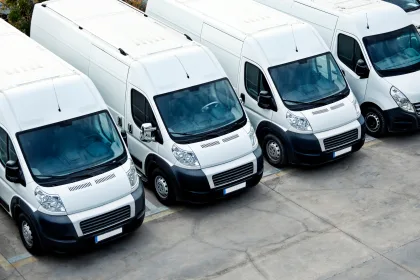

Every mile a vehicle drives adds up – not just in fuel and mileage, but in mechanical stress that shortens a vehicle’s life.
For fleet managers, vehicle wear and tear is an inevitable cost that comes with running a business. But fleets that manage it well spend less on repairs, replace vehicles less often and keep more on the road generating income instead of sitting in a garage.
This guide covers the steps that businesses can take to reduce wear and tear across their fleet.
1. Encourage better driving habits
Driver behaviour plays a huge role in how fast a vehicle deteriorates. Bad habits such as harsh acceleration and hard braking can put pressure on brakes, tyres, and suspension components, accelerating vehicle wear.
The good news is that driving habits can be measured and coached. Telematics can make it easier to review individual drivers’ speed patterns, braking habits, idling time and more to identify where additional training is needed.
Fleets that pair data with regular driver training should see less mechanical wear across their vehicles.
2. Implement preventative maintenance strategies
Preventative maintenance strategies involve scheduling regular inspections and vehicle servicing. This can be based on manufacturer recommendations or mileage.
Sticking to regular service intervals, rather than waiting for something to break, catches small issues before they become expensive ones.
3. Analyse vehicle health
Keeping a close eye on vehicle health over time will allow you to plan maintenance around what your fleet actually needs, reducing the frequency and impact of unexpected breakdowns and vehicle downtime.
When you manage more than just a few vehicles, it can be hard to keep track on the condition of each one just from memory or paperwork. That is why many fleet managers use fleet management software to identify vehicle health data and trends and make informed maintenance decisions.
4. Spread the wear across your fleet
It can be tempting to lean on the newest or most reliable vehicle for important jobs, but relying on a small fraction of your fleet concentrates wear unevenly and shortens the lifespan of your best assets.
Regularly rotating vehicles and factoring in a vehicle’s age and mileage when assigning jobs will help spread wear more evenly across your fleet.
5. Have the right systems in place
All of the points above can only work with effective fleet management. This could involve:
- Driver training programmes focused on low-wear driving techniques.
- Pre-trip and post-trip inspection checklists so drivers can catch small issues before they lead to breakdowns.
- Management software to keep track of driving habits, maintenance schedules and vehicle data all in one place.
Bottom line
The speed at which wear and tear occurs across a fleet depends on how vehicles are driven, maintained, and managed.
Fleets that build the right habits into their operations can extend the lifespan of their vehicles and keep them on the road.
From driver supervision to vehicle maintenance, fleet managers have a lot to manage. So when it comes to fleet insurance, we want to make things easier for fleet owners. We compare quotes from the UK’s leading insurers to find suitable cover at a competitive price.
Looking for fleet insurance? Get a fast, free quote by visiting our website or calling us on 0333 015 6886.