
If you’re starting a career as a taxi or private hire driver in the UK, one of the first things you need to understand is how passengers can pay for their journeys.
Many passengers still use cash, but contactless debit card payments are becoming increasingly common.
In fact, research found that debit, credit, and charge card payments (both physical and mobile) accounted for 64% of all UK transactions in 2024, while cash accounted for less than 10%.
As a specialist taxi insurance broker, we’re here to help explain what new drivers need to know about accepting card payments before hitting the road.
Are taxi drivers required to accept card payments?
As card payments become more common, many taxis accept them, and in some areas, accepting card payments is mandatory. However, there is no single rule that applies to every taxi and private hire driver across the UK.
London
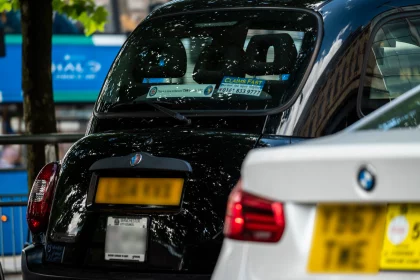
For example, in London, licensed black cabs are required to accept card and contactless payments using a payment device approved by TfL.
Private hire drivers (such as Uber, Bolt or local operators) typically take payment through an App and may not carry a fixed card machine inside the car.
Outside London
Outside London, requirements vary across different licensing authorities. Each local licensing authority sets their own rules, meaning some require licensed taxis or private hire vehicles to accept card, while other have no requirements in place.
How can new taxi drivers set up card payments?
If you’re self-employed and responsible for collecting your own fares, you’ll need to choose a suitable way to accept card payments.
Here are the main steps to consider:
1. Check your licensing requirements
Find out whether your local authority specifies an approved payment device or if they require you to display signage.
You may also have to keep the payment device in a specific location within the vehicle or be able to provide your passengers with a receipt.
2. Compare payment providers
Compare device costs and card transaction fees to help you make the right decision. A low-cost option isn’t necessarily the best choice if it doesn’t meet your licensing requirements.
3. Test your equipment
Before you set off to work, make sure the terminal works and is sufficiently charged to reduce the likelihood of problems taking card payments.
4. Learn how to issue receipts
Depending on where you work, your licensing authority may require you to make receipts available to customers on request. Make sure you understand how your device provides them and keep any necessary records.
How accepting card payments can benefit taxi drivers
Even when card acceptance isn’t compulsory, offering convenient payment options can improve the passenger experience and lead to better customer ratings.
Benefits include:
- More convenience for customers: Passengers may not carry cash, especially when travelling for work or visiting a new city.
- A smoother journey: Contactless payments can make settling the fare quicker and easier.
- Potentially more customers: Some passengers actively look for services that accept cards, so offering this option could attract more customers.
- Clearer transaction records: Electronic payments can help you keep track of fares and monitor your income, which can be useful when it comes to submitting your tax records.
What about card payment fees and surcharges?
Before signing up with a payment provider, check exactly what you will pay. Charges may include transaction fees, monthly rental payments, or a one-off cost.
You should also understand the rules on surcharges. In the UK, adding a surcharge for paying by card is illegal under the Consumer Rights (Payment Surcharges) Regulations.
Final thoughts
Card payments are an important part of the modern UK taxi and private hire industry. Many passengers appreciate the convenience of paying by card or contactless, and some licensing authorities make accepting these payments compulsory.
For new drivers, the most important step is understanding the requirements for your vehicle and licensing area. Set up your payment arrangements before you start work to keep every transaction straightforward for you and your passengers.