
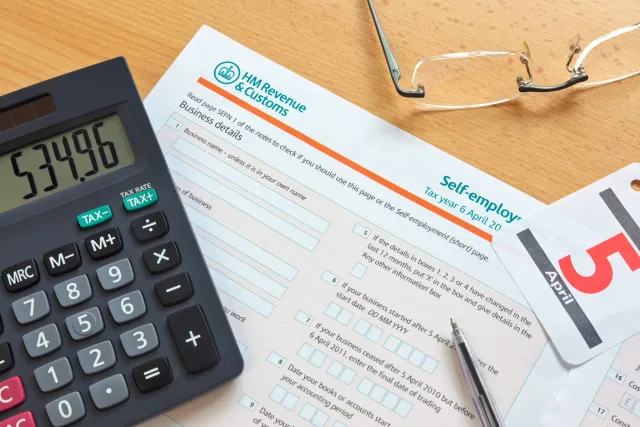
Changes which mean many sole traders and landlords must now submit accounts to HMRC digitally and more frequently can appear daunting.
But making the switch to HMRC’s Making Tax Digital could benefit sole traders such as taxi drivers and motor traders.
Changes
From April 6, 2026, sole traders and landlords must use HMRC’s Making Tax Digital for Income Tax if their annual income from self-employment and property is more than £50,000.
And from September, those with income over £50,000 in the 2024 to 2025 tax year who have not already registered for Making Tax Digital have been automatically enrolled by HMRC.
This means they or their accountant/agent must create, store and correct digital records of self-employment and property income and expenses, send quarterly updates to HMRC, submit tax returns and pay tax due by January 31 the following year.
Motor traders
Accounting firm Sterling & Wells points out that Making Tax Digital is not just a box-ticking exercise and carries penalties as well as benefits.
For motor traders, it replaces mountains of paperwork with digital records and software that sends updates straight to HMRC. Sterling & Wells believes motor traders should see it as “an opportunity to keep a real-time view of your financial health”.
It adds: “With the right approach, it can help you track profits, spot cash flow issues early, and even make claiming deductions simpler. By understanding what applies to your dealership, you can focus on selling cars and growing your business rather than stressing over paperwork.”
While most VAT-registered dealerships have been filing quarterly returns digitally since the start of the year, the big change is Making Tax Digital for Self Assessment.
Sterling & Wells says: “Car dealerships have specific quirks that make MTD particularly important. Take the VAT margin scheme for second-hand vehicles, for example – you only pay VAT on the profit, not the total sale price.
“Under MTD, the links between sales invoices and margin calculations must be clear and traceable. Mistakes can trigger penalties, but when handled properly, MTD-compliant processes can actually make reclaiming VAT on trade-ins, demo cars, fuel, and other business costs much easier.
Record keeping
“Digitising everything is essential. Scan receipts, link bank feeds, and ensure your software accurately categorises margin scheme sales. This structured approach provides real-time insights into profitability.
“Keeping records updated quarterly also highlights overspending early. For example, if your advertising budget is creeping too high, you can scale back before it affects profits.
“Digital tracking ensures nothing slips through the cracks, from warranties to part-exchange costs. A structured approach like this not only safeguards compliance but also helps make strategic decisions to grow your dealership.”
Taxi drivers
As taxi drivers are being enrolled into Making Tax Digital, it is vital that they check their details are correct to avoid being incorrectly charged, especially with flexibility and movement in the trade.
Taxi Point suggests: “Drivers should check this information carefully because HMRC may initially have relied on the position shown in their 2024/25 return.
“It will also consider the 2025/26 return where that was submitted before enrolment. A driver who stopped trading, began a different business or experienced another material change, may therefore need to update the information.”
Digital details
Again, keeping accurate records is vital for making the process go smoothly.
Taxi Point adds: “For taxi and PHV drivers, the immediate issue is reconstructing records from the beginning of the tax year. That could involve bringing together meter takings, cash fares, card payments, account work and app bookings, alongside commissions and allowable business expenses.
“Statements from booking platforms or bank deposits alone may not provide the complete income figure required. A net payment received after commission can differ from the gross fare income that needs to appear in the driver’s business records, with the commission recorded separately as an expense where appropriate.”
The key to successfully navigating the Making Tax Digital changes is understanding how the rules apply to your business and meeting the requirements.
A smooth transition will not only help you avoid penalties and hassle, it can give you a clear picture of your financial position and help make reclaiming tax and other expenses easier, including taxi insurance and motor trade insurance.