New rules being introduced in a drive to stop motorists being “ripped off” by private parking charges have been welcomed by motoring groups – but many believe they could have gone further.
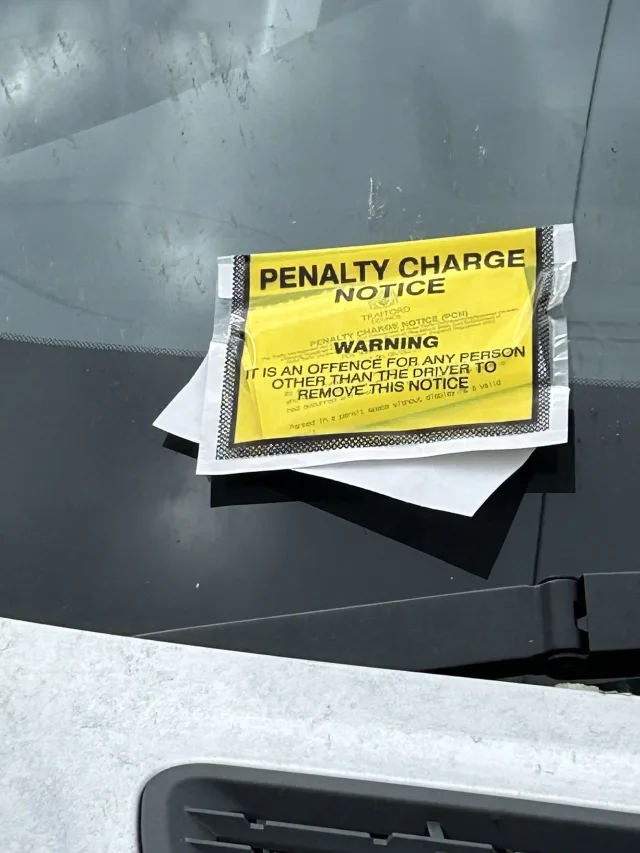
Unclear signs and complicated rules for private car parks often catch motorists out, with professional drivers left facing hefty penalty charges and costs.
For drivers and fleet managers, it is an expensive hassle to deal with, and one that does not allow for honest mistakes or take into account circumstances beyond their control.
Announcing the code, Prime Minister Andy Burnham said: “Being a few minutes late back to your car or typing one digit of your number plate wrong shouldn’t end with a hefty fine landing on your doormat.
“These charges leave people feeling ripped off and out of pocket, so I’m putting a stop to them. We are introducing clearer rules, longer grace periods and lower charges for genuine mistakes.”
What are the current rules?
The new rules are being brought in after a previous government code of practice introduced in 2022 was scrapped after just six months following legal challenges by a number of parking firms.
Instead, the British Parking Association and the International Parking Community produced a single code of practice for members to adhere to.
It called for clear signs and markings, consideration and grace periods upon entry and exit, and a clear appeals process.
Despite the aims of the code, the government said ongoing complaints about poor behaviour by some operators have led to the introduction of the Private Parking Code of Practice 2026 being introduced now.
How the rules are changing
The new code sets the minimum standards that parking operators and debt recovery agents must follow in order to issue or enforce notices of parking charges.
As well as the five-minute consideration period and 10-minute grace for exiting, there are also allowances for honest mistakes such as entering the wrong registration number on a ticket machine, stopping to check directions, and broken ticketing machines, with a £20 cap on minor errors such as these.
It also removes charges for issues beyond drivers’ control, such as a breakdowns or traffic preventing drivers from leaving a car park.
The maximum charge will remain at £100, despite calls for it to be lowered.
What does this mean for professional drivers?
Under the terms of the new code, parking charges should not be issued or should be dismissed on appeal for ambulance, fire brigade, police or coastguard vehicles on their operational duties, such as in response to an emergency call.
Charges should also be waived for vehicles being used by a doctor or other health professional who is on an emergency call, and their vehicle is displaying a British Medical Association (BMA) badge or authorised Health Emergency badge.
Assistance and recovery vehicles that have been called to a vehicle that has broken down, as well as a hearse or funeral cortege vehicle in use at the time, should also be exempt.
Overrunning medical appointments and delays due to childcare arrangements are also grounds for charges to be cancelled, as well as drivers who have stopped to check directions.
Changes could go further
RAC analysis of government data reveals that 17 million private parking tickets were issued in 2025-26, representing a 17% increase from the previous year.
Reacting to the new code, Simon Williams, RAC head of policy, said: “This is a step in the right direction to protect drivers from the poor practices of some private parking companies, but not the leap we’ve been campaigning for so long.
“We’ve long called for the banning of debt recovery fees being added on top of parking charge notices (PCNs) and a single independent appeals body to replace the two industry-run ones, but neither have been included, which is disappointing.
“That said, the fact we finally have a code seven years on from the Private Parking Code of Practice Act becoming law is positive. Car park management companies will now have to conform to a new set of rules or risk losing access to the DVLA’s database which they depend on to issue PCNs to drivers.
“This will hopefully prevent many drivers wrongly being issued tickets in the first place.”