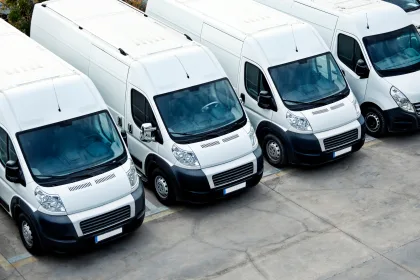
As well as overseeing the day-to-day running of a business’s transport needs, fleet managers also need to make sure they are on the right road to achieving net-zero.
While all are aware of their obligations, worryingly, only one in three know how to achieve their net-zero targets by 2050.
And before companies and the UK look to 2050, the ban on new petrol and diesel cars and vans in 2030 and hybrids in 2035 means fleet managers are under pressure to act now.
Business Motoring has published research by Microlise which shows that while sustainability and environmental impact were considered by companies, some organisations are further along than others.
The research – published to coincide with International Day for the Preservation of the Ozone Layer last month – found that 34% of transport managers do not know how to meet their fleet’s net-zero requirements by 2050.
Slightly more – 38.5% – said they knew how to reach the emissions targets as part of the Government’s Build Back Greener initiative.
Starting point
Microlise explained that tracking emissions is the first step for fleet managers so they can fully understand the environmental impact of their transport needs and know what action they have to take.
Helping make the switch to EVs, Microlise’s technology can also look at long-term trends which, combined with vehicle utilisation and route plan optimisation tools, can show other ways of reducing emissions, as well as creating efficiencies.
It found that manual proof-of-delivery documents can cost a company £51,000 a year and 1.7 hours a day of employee time, and that using different platforms to maintain different processes could lead to delays and mistakes.
Microlise found that most companies agreed automation would help reduce errors and improve customer relationships.
Microlise CEONadeem Raza said: “Awareness days such as International Day for the Preservation of the Ozone Layer, combined with the government’s commitment to achieving net zero by 2050, make it clear that reducing emissions is no longer something that is ‘nice to have’. It is now an essential process.
“While the government’s deadline is drawing closer, it is not too late to start the journey to net zero. It is easier than ever to begin analysing your fleet and start seeing where adjustments can be made which can simplify the process for transport managers.”
Infrastructure
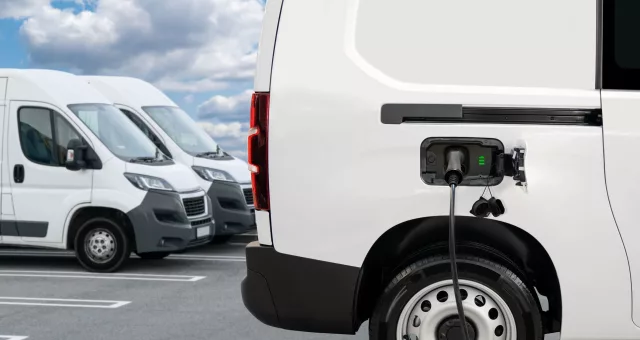
As well as switching fleets to EVs, fleet managers need to ensure they have access to sustainable and efficient charging points, not only at their base, but also if they need to recharge while on the road.
With the issue of affordable base charging in mind, taxi and fleet insurance broker Patons Insurance has created a partnership with EV charging point installer Greenway Power Group (GPG) to help fleets manage their EV vehicles.
As well as having EV charging points at bases and depots to manage their own vehicles, it also allows them to create another revenue stream by opening the charging station to the public if they wish too.
In most cases there is no upfront capital expense for fleet owners or base owners, as the cost of the equipment is covered over several years through the price of the electricity supplied. Electricity rates are typically below public charging rates and VAT receipts are supplied.
GPG charging point packages include a variety of options including fast and super-fast chargers*, as well as options for multiple charging points.
Patons’ Head of Strategic Growth, Chris Pracy said: “For professional drivers and fleet managers, the challenges and demands for EV charging are very different to an individual with a home charger.
“Businesses lose money if their vehicles are spending hours at charging points, or if they have to frequently use more expensive public charging points. By having fast and super-fast charging* points at their own bases, fleet owners and managers are better prepared for their EV vehicles to be ready for the next task and they have the choice to open it up to the public and bring in additional income.”
*Charging speed of equipment is governed by the type and capacity of electrical supply to the premises.