Retreaded tyres can offer a valuable opportunity for fleets in the UK, yet many operators remain sceptical of their safety and durability. In reality, retreading delivers a range of advantages, from lowering operating costs to reducing environmental impact, making it an option well worth exploring.
In this article, we’ll break down how tyre retreading works, why it’s a proven and reliable process, and the key benefits it can bring to fleet operations.
What is tyre tread?
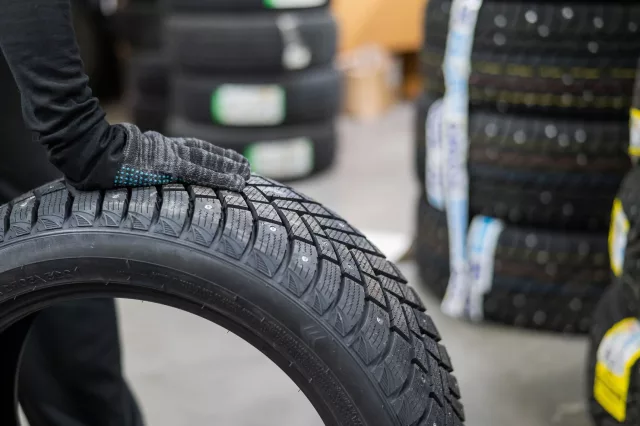
Tyre tread is the layer of rubber on the tyre that grips the road, providing the traction needed for safe driving. Over time, this tread gradually wears down, which can reduce traction and overall safety.
In the UK, the legal minimum tread depth is 1.6mm for cars and LGVs (goods vehicles weighing under 3.5 tonnes), and 1mm for heavier vehicles such as HGVs (heavy goods vehicles) weighing over 3.5 tonnes. However, the AA advises replacing tyres once the tread reaches 3mm for optimal levels of safety.
What is tyre retreading?
Tyre retreading is the process of replacing a tyre’s worn-out tread with a new one while keeping the original, structurally sound casing intact. It’s a common and cost-effective practice for heavy vehicles such as HGVs or trucks.
Is it safe?
In short – yes – tyre retreading is a safe, reliable practice already used by a third of UK fleets.
The British Tyre Manufactures’ Association states that retreaded tyres sold in the UK must be made in compliance with UN ECE Regulation 108 (Car tyres) or 109 (Commercial vehicle tyres) by law.
Before and during the process of retreading, the tyre undergoes a series of stringent inspections to confirm that it’s structurally sound. This includes a detailed visual check, an internal examination, and x-ray analysis to identify any faults that would make the tyre unsuitable. Tyres that fail to meet these strict standards are rejected for retreading and are often recycled instead.
How fleets can benefit from tyre retreading
A survey commissioned by Continental found that only 33% of fleet operators currently use retreaded tyres for their vehicles. Among those who don’t, 62.5% say their hesitation stems from concerns about quality, while 46.5% cite worries about durability as the reason for only using new tyres.
However, retreading offers many valuable advantages for UK fleets, including:
- Cost savings – Michelin reports that retreaded tyres can cost up to 40% less new ones, making them an attractive option for fleets looking to manage rising operating expenses and the cost of fleet insurance.
- Extended mileage – tyres can typically be retreaded multiple times, allowing your fleet to get up to twice the mileage out of its tyres compared to using new ones alone.
- The eco-friendly choice – it can use up to 70% less raw material than producing a new tyre, making it an environmentally conscious option for fleets aiming to reduce their carbon footprint and reach net-zero targets.
Final thoughts
Retreading tyres is a practical way for fleets to reduce costs while maximising the life of their tyres. With the cost of living driving up business expenses and fleet insurance costs, making smart, cost-effective choices like retreading can help maintain the operational quality of your fleet without breaking the budget.