The longer days and good weather of summer can make driving in the dark seem a distant memory for many people.
Data from the Royal Society for the Prevention of Accidents (RoSPA) shows a worrying spike in the number of vulnerable road users killed or seriously injured at night.
Whether people are packing up the car for a summer holiday getaway or driving for work as a taxi or delivery driver, here are 5 tips to help keep you and others safe while driving in the dark.
1. Use lights correctly
All vehicles must have properly functioning front and rear lights to be driven on the roads at night. To avoid problems once it gets dark, carry out regular checks during the day to ensure everything is working properly and if a bulb needs changing, do it as soon as possible.
Anyone driving in the evening should switch on dipped headlights about an hour before sunset and keep them on for an hour after sunrise to ensure your vehicle is always clearly visible to other road users.
Full beam should be used on unlit country roads to help you see the road ahead more clearly. When you encounter another vehicle, dip the beams straight away to avoid dazzling other drivers. You should also avoid staring at oncoming vehicle to stop yourself being dazzled by their headlights.
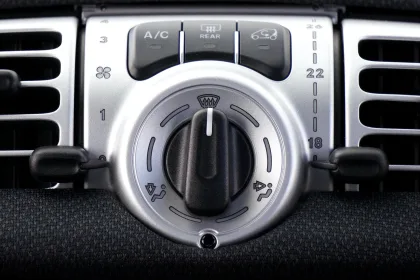
You can dim your own dashboard and display screens to avoid glare which could affect your vision.
2. Keep windows clean
Windows should be kept clean to help visibility at all times of the day, but it is especially important at night when condensation and dirt build-ups can severely reduce visibility.
It has a bigger impact in extreme weather, when you are trying to cool down or heat up the inside of a car. This can cause windscreens to quickly steam up, reducing visibility and adding to problems caused by the glare of headlights.
Windows should be cleaned regularly both inside and out to prevent dirt accumulating and restricting your visibility at night.
3. Hole lot of trouble
As well as making sure your car’s visibility is as good as it can be, drivers need to keep watch for other road users, as well as dangers on the road.
This includes pedestrians and cyclists in dark clothing, and animals that may run out.
One of the biggest problems is potholes which can cause serious damage to vehicles if drivers hit them, especially at speed if they have not seen them in the dark.
The advice is to make sure you can stop safely in the distance you see clearly ahead. On unlit country roads, it’s better to reduce speed so you can avoid hidden dangers than to hit a pothole at 60mph.
4. Get your eyes tested
As well as making sure their vehicle is safe to drive at night, drivers must also make sure they are fit to get behind the wheel.
Regular eye tests will highlight issues that may require glasses, contact lenses, or any other treatment which ensures that a driver’s eyesight meets the legal minimum standard.
This makes sure they can see road signs and markings clearly, as well as other road users.
5. Don’t drive tired
Driving tired puts yourself and other road users at risk and there’s only one thing to do when you feel yourself getting drowsy at the wheel — stop.
Whether it’s at the end of a busy day at work, returning from holiday, or heading home after a day out enjoying the good weather, experts believe driving tired is as dangerous as drink-driving.
People are more at risk during the current heatwave when it is difficult to sleep properly, as well as the early sunrises.
The DVLA has found that up to one in five motorway crashes are caused by people falling asleep at the wheel. When people are drowsy, their concentration lowers and their reaction times reduce. Driving at night with lower visibility increases the risk further.
Drivers with a long journey ahead should stop for a 15-minute break every two hours to help keep themselves alert. For overnight trips, it’s worth considering stopping at a hotel or sharing the driving with someone else who is rested and insured to drive the vehicle.
Different skills
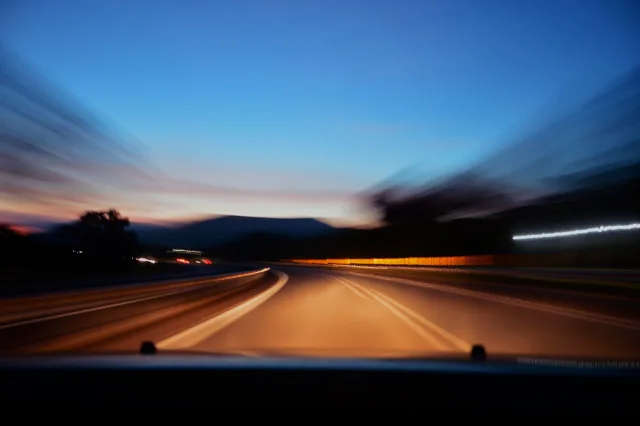
Lower visibility makes spotting other road users, landmarks and obstacles more difficult, which is why driving at night requires a different skills set.
It is harder to judge speed and with less traffic on the road, you need to be alert for junctions, lanes and bends in the road, which can catch drivers out if they are not focused.
Reducing your speed gives you more time to react to dangers, including other drivers who might not be taking as much care as you.
As with any new skill, it takes practice and is worth considering night-time lessons with a qualified instructor.
It’s also important to make sure you and your vehicle are prepared for the unexpected.
Keep a small emergency kit in the car at all times to help deal with a breakdown or emergency at any time of the day or night. Make sure you have a torch, water, phone charger, blanket, ice scraper or de-icer. It doesn’t take much space and is always in the car in case you need it.