
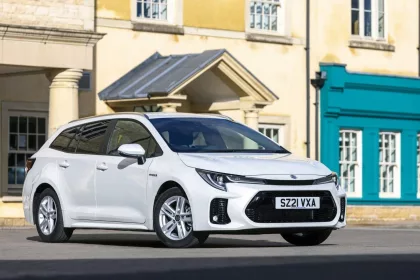
Top five private hire taxis
As we continue the drive towards cutting pollution, a vehicle’s green credentials are top of the list for taxi drivers when it’s time to change their cabs.
While their new vehicle has to be suited to private-hire taxi work, its emissions are now just as important to drivers as the amount of room for passengers and luggage.
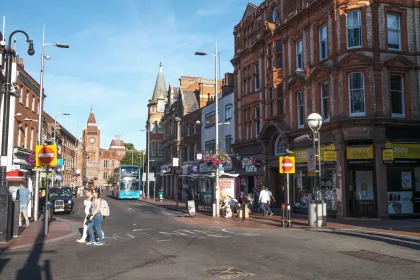
Reading’s five-year plan to ban petrol and diesel taxis
Taxi drivers have had their say on plans to ban petrol and diesel cabs in Reading from 2028.
Consultation on Reading Borough Council’s Hackney Carriage and Private Hire Strategy 2023-28 ended recently, with one of the main goals being to “phase out the use of petrol and diesel-only cars and vehicles in an effort to improve air quality and reduce carbon emissions”.
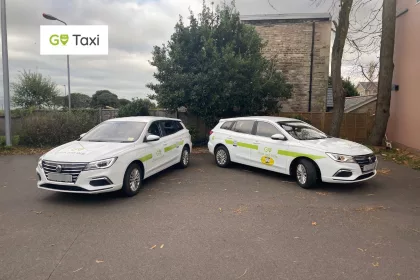
“Electric vehicles are incredible” says taxi firm founder
The founder of an Isle of Wight taxi firm is so hooked on electric vehicles that he will never buy a petrol or diesel car again.
Kevin Barton, CEO of We Go Local Solutions LTD and Go Taxi, used his tech background to help create sustainable businesses on the popular holiday island which enjoys a bustling hospitality and entertainment sector.
How petrol and diesel ban delay effects drivers
Professional drivers know what it costs to run their business and put food on the table for their family.
This is why there has been concern about the 2030 ban on the sale of new petrol and diesel vehicles in the UK, especially when many feel the EVs replacing them aren’t yet up to the job.
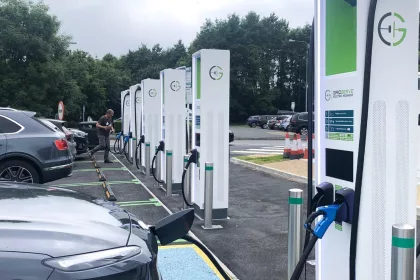
Patons wants to support taxi base owners as Government unlikely to meet EV charging target
Taxi drivers need one thing to make the switch to EV – to be sure that it will do at least what their current petrol or diesel cab will do. Anything less isn’t worth bothering with.
In simple terms, they want something with a decent range and can charge up whenever they need to so they can be on their way again in a matter of minutes.
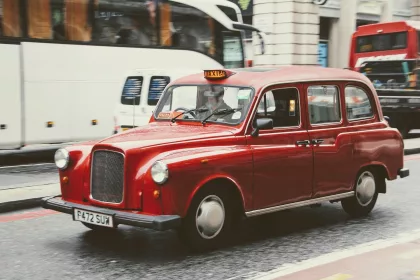
Taxi drivers’ fears over ULEZ expansion
Drivers of older, more-polluting vehicles in central London have had to pay the Congestion Charge, Ultra Low Emission Zone (ULEZ) and/or Low Emission Zone (LEZ) charges, which has already had an impact on professionals such as taxi drivers.
But from today, the ULEZ scheme has been expanded to include the whole of Greater London within the M25 – adding a further 5 million people.
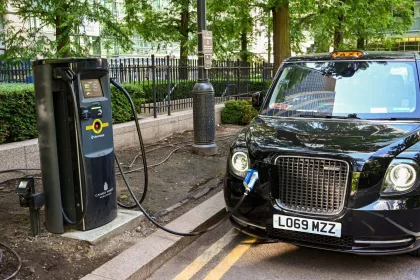
5 simple hacks to extend the range of EV taxis
Range is everything when it comes to EVs and is a big issue for taxi drivers every day – will they be able to take a fare wherever they want to go and what happens if they need to charge on the way?
These problems will disappear as battery technology improves and electric vehicles will be able to travel further on a single charge, which is good news for people who earn their living on the road.

Flying taxis could break records at Olympics
As the world’s elite athletes focus on next summer’s Olympic Games in Paris, flying taxis are also preparing to make history.
Aviation start-up Volocopter is aiming to have its two-seater electric aircraft carrying passengers around Paris – which would make it the first service in Europe to use an electric vertical take-off and landing aircraft.
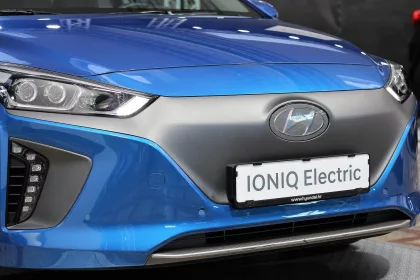
Taxi drivers lead the way with greener cars
As the drive for cleaner motoring continues, taxi drivers are already ahead of the curve when it comes to using less-polluting vehicles.
The Government’s Taxi and private hire vehicle statistics, England: 2023 report, which was published last month, offers a fascinating insight into the makeup of the taxi and private hire fleets.
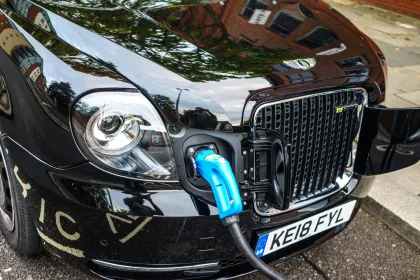
New charging hub gives taxi drivers a brighter outlook
The taxi industry is undergoing major changes with the drive towards greener vehicles, as well as the disappearance of traditional haunts for taxi drivers to grab a cuppa and catch up with colleagues.
One of the biggest changes to the taxi landscape has been seen in London, which had plenty of dedicated cafes, services and meeting points for drivers.

Financial help to replace Newcastle’s most-polluting taxis
Like several other cities, Newcastle has introduced a Clean Air Zone to cut pollution – and is offering financial assistance to help taxi drivers meet the cost of replacing older, more polluting vehicles.
The Clean Air Zone was introduced on January 30 to help to improve air quality by reducing the number of high-polluting vehicles on the roads both within the zone and in the surrounding areas.
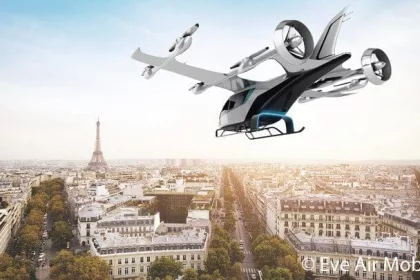
Flying taxis ready for virtual take off at Paris Air Show
Flying cars have always been part of science fiction, but now they could be just around the corner, offering a new dimension to the taxi fleet.
On Monday, guests at the Paris Air Show will be treated to a virtual flight of Eve Air Mobility’s electric vertical take-off and landing vehicle (eVTOL).