Drivers are being reminded about the importance of vehicle safety and maintenance after recent checks saw one licensing authority take 12 taxis and PHVs off the road because of their ‘dangerous’ condition.
Urgent action
The BBC reports that Huntingdonshire District Council suspended 23 taxi licences between October and 10 January, more than half resulted from the condition of the vehicles.
The council’s licensing and protection committee heard in January that dangerous defects were categorised as faults that “pose an immediate risk to the driver, passenger, or public safety”.
Cllr Barry Banks told the meeting: “I find it a bit frightening, obviously. How long have they been driving round with these major defects?”
The committee was told that as well as two licences being revoked, 10 were suspended due to “major defects and four for dangerous defects”.
The BBC added: “The report said dangerous defects could include things like severely worn brake pads or disks, tyres with exposed cords, cracked suspension parts, or fuel leaks.
Serious faults
“Major defects were described as ‘serious faults that affect the safety, environmental impact, or overall roadworthiness of a vehicle’ and could be a headlamp not working, damaged tyres, or windscreen wipers not functioning properly.”
Cllr Banks asked what measures were taken to check taxis were compliant, or whether issues were only noticed when the car was taken to a garage.
Council licensing officers told the committee they carry out additional checks, including working with Cambridgeshire County Council to carry out inspections at schools, as well as working with the police to stop and check if taxis for safety.
In addition to the dangerous condition of the vehicles taken off the road, the committee heard that two drivers had their taxi badges suspended for failing to provide an updated medical every six years, or each year for drivers over 65.
Responsibilities
Taxi and PHV drivers lead busy lives, especially trying to make ends meet in a cost-of-living crisis. While some might see vehicle checks as an inconvenience, they are vital for everyone’s safety and failing to carry them out could cost a driver their livelihood.
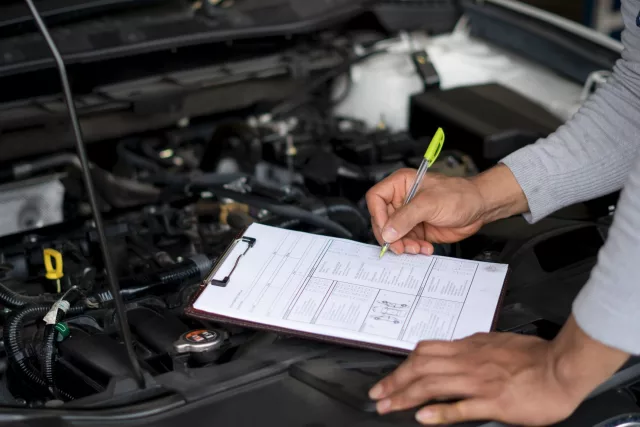
To help drivers, Patons Insurance has compiled a checklist of tasks to be performed at the start of each shift.
The link to the full article is here and it is also worth remembering that self-employed taxi drivers are responsible for servicing and maintaining their vehicle, as well as ensuring the correct taxi insurance is in place.
Before you start each shift, check fuel, lights, oil, coolant, screen wash and brake fluid, battery and electrics and tyres and wipers.
Clean cabs create a great first impression and can have a positive impact on customer ratings, so regular cleaning – at least one full clean a week – is a must.
Prevention better than cure
Each month, more thorough checks should be carried out, including tyre pressure and tread, as well as the steering and suspension.
There should also be a more thorough check of lights and fluid levels, in addition to the clutch, brakes and body work.
Taxis and PHVs should be fully serviced and MOT’d at least once a year, or as frequently as required by the terms of the licensing authority.
The key to regular maintenance and inspections is that it can help spot issues before they become expensive repairs.