Running a small workshop comes with a range of health and safety responsibilities. Whether you run a vehicle repair garage, an MOT workshop, or any other small motor trade business, creating a safe working environment is essential to protect employees and customers and stay on the right side of the law.
Workshops present many different hazards, from machinery and hand tools to hazardous substances and fire risks. The good news is that many accidents can be prevented by putting straightforward safety measures in place and making them part of everyday working practices.
Here are some key health and safety considerations for new small motor trade businesses.
1. Carry out regular risk assessments
A risk assessment is one of the most important steps in managing workshop safety. It involves identifying potential hazards and deciding what measures are needed to control the risks.
Common workshop hazards include moving machinery, trailing cables, slippery floors, sharp tools and exposure to dust or chemicals.
Under UK health and safety legislation, employers must assess workplace risks and take reasonable steps to protect employees and others who may be affected by their activities. Risk assessments should be reviewed regularly, especially when equipment, processes or working conditions change.
2. Keep machinery and equipment safe
Machinery and workshop equipment must be suitable for the work being carried out, properly maintained and operated safely.
You should ensure employees receive appropriate training before using any machinery. Damaged tools or faulty equipment should be taken out of service until repaired or replaced.
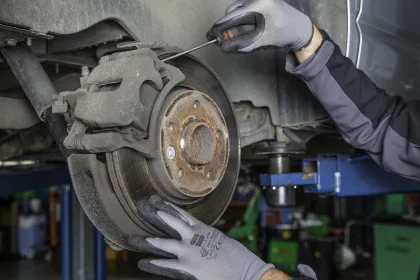
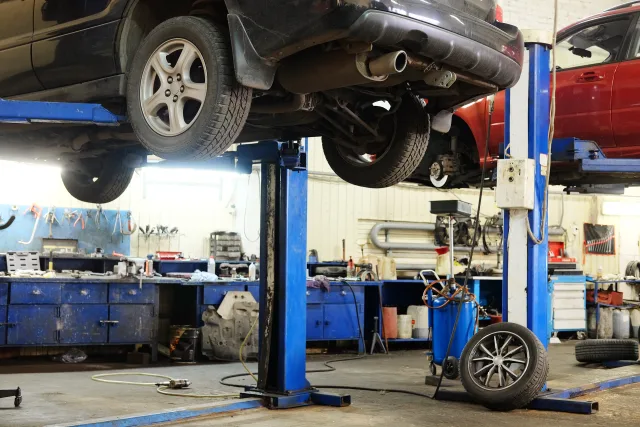
In vehicle repair workshops, this also means paying particular attention to vehicle lifts, jacks, compressors and other specialist equipment.
3. Maintain a clean and organised workspace
Good housekeeping can significantly reduce the risk of accidents. Keep floors clear of tools, cables and waste materials, clean up oil and other spills promptly, and make sure walkways and emergency exits remain unobstructed.
Your tools and equipment should have designated storage areas so they can be accessed safely without creating unnecessary hazards.
A simple daily cleaning and inspection routine can help identify potential problems before they cause an accident.
4. Control dust, fumes and hazardous substances
Many workshops use products that can be harmful if inhaled or allowed to come into contact with the skin. These may include paints, solvents, adhesives, cleaning chemicals and oils.
Under COSHH (Control of Substances Hazardous to Health) regulations, employers must assess and control exposure to hazardous substances.
Depending on the work being undertaken, suitable controls may include local exhaust ventilation, appropriate storage, safe handling procedures and personal protective equipment (PPE).
5. Provide suitable personal protective equipment
PPE plays an important role in protecting workshop employees from everyday hazards. Depending on the tasks involved, this may include safety footwear, protective gloves, safety glasses, hearing protection and respiratory equipment.
Employers should assess which equipment is needed and provide suitable training on its use and maintenance.
6. Have good fire safety and emergency procedures in place
Workshops can contain several potential fire hazards, including flammable liquids, electrical equipment and combustible materials.
Keep flammable substances stored safely, maintain clear escape routes and ensure fire alarms and firefighting equipment are available.
Employees should understand evacuation procedures and know where to find first aid equipment.
7. Consider insurance alongside workplace safety
Good health and safety practices are essential, but workshop owners should also consider how they protect their business financially.
For businesses working on, repairing, servicing or storing customers’ vehicles, motor trade insurance provides essential protection.
Insurance does not replace the need for proper safety procedures, but it forms an important part of a wider approach to managing business risks.
8. Make safety part of everyday work
Workshop safety is not a one-off exercise. Employees should receive appropriate training, understand how to report hazards and near misses, and know how to follow safe working procedures.
Regular equipment checks, workplace inspections and toolbox talks can help keep safety issues visible and encourage everyone to take responsibility.
Conclusion
Keeping a small workshop safe doesn’t have to be complicated. Regular risk assessments, well-maintained equipment, good housekeeping, suitable PPE and effective training can all make a significant difference.
By combining sensible safety procedures with appropriate business protection, including suitable motor trade insurance, workshop owners can help create a safer working environment while protecting the long-term interests of their business.
For further information, visit the Health and Safety Executive (HSE), which provides practical guidance for businesses of all sizes.