The importance of regular servicing and maintenance is being highlighted after more than 2.4 million cars and light vans failed their MOT tests last year because of dangerous defects — and the worrying trend looks set to continue.
With research showing that millions of motorists are failing to spot damage and wear and tear that makes their vehicles dangerous, garages and motor traders are being urged to help drive home the safety message.
MOT sets safety standards
The MOT is designed to ensure vehicles meet minimum standards for roadworthiness and do not pose a danger to other road users.
But last year, more than 9.1 million of 33.2 million cars, vans and passenger vehicles with up to 12 seats failed their first MOT test, according to research from Car Cost Check.
Based on DVSA data, the research found that lighting, reflectors and electrical equipment were the main reasons for 10.6% of first test failures, followed by suspension faults at 9%.
Analysing the data — collated between January 1 and December 31, 2025 — MOT Testing found that 2,419,495 of those vehicles failed tests with at least one dangerous defect.
With several vehicles recording multiple serious faults, the total number of first-test major defects was 3.39 million, with tyres making up almost 60% and brakes accounting for 29%.
The worrying trend has continued this year, with DVSA figures from January to June revealing 27% of first-attempt MOT tests were failed, compared to 27.6% for the same period last year.
Spotting the dangers
While motorists should regularly check fluid levels and critical vehicle components, many serious faults are not being spotted — or drivers are not recognising the danger they pose.
In 2025, 729,872 first-attempt car and light van MOT tests recorded tyre tread below the 1.6mm minimum depth.
Another 437,325 tests found tyres with exposed threads, and 188,702 had structural tears or partial failures.
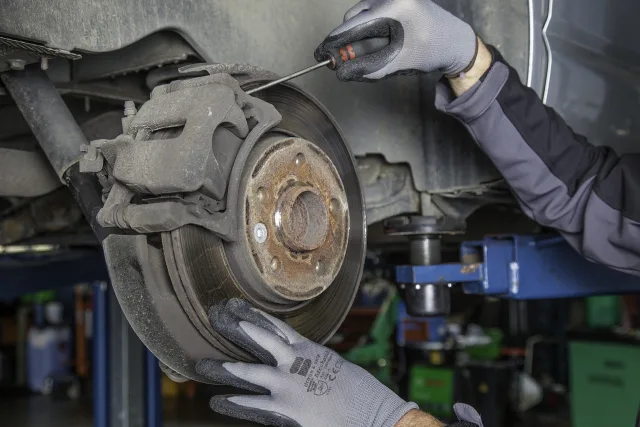
Brake condition represented the second-largest number of dangerous defects with Car Cost Check finding that 586,632 tests had brake pads below 1.5mm thickness — putting them in the dangerous defect category.
Severely weakened brake discs and poor parking brake efficiency were also frequently identified as dangerous faults.
The message to motorists
Regular maintenance is essential for every vehicle and identifying an issue early can often avoid an expensive problem later on.
But motorists need to be aware of defects which pose immediate danger and cannot be ignored.
Under the DVSA classification system, a vehicle with a dangerous defect is an MOT failure. It is classed as an immediate risk and cannot be driven on the roads until the faults have been fixed — even if the previous MOT certificate has not expired.
Garages and motor traders play a key role in helping avoiding dangerous defects by identifying issues early through thorough inspections during routine servicing and maintenance, especially with older, higher-mileage vehicles.
The rising price of vehicles means that people are holding on to them longer and with more wear and tear and ageing, parts, they are more likely to develop dangerous faults.
False economy
Motorists, including professional drivers, continue to feel the pinch with rising insurance, maintenance costs and fuel prices.
Some might be tempted to put off servicing or repairs and hope their car passes its MOT, of use cheap parts bought online.
But this can build up major problems down the road. By reminding them of the importance of adhering to maintenance schedules and requirements and identifying issues early, motor traders and garages can help them avoid costly repair bills or being unable to use their vehicle because of dangerous defects.
As well as regular inspections such as seasonal checks, offering service plans helps customers spread the cost of regular maintenance and ensures they return to your business in future.