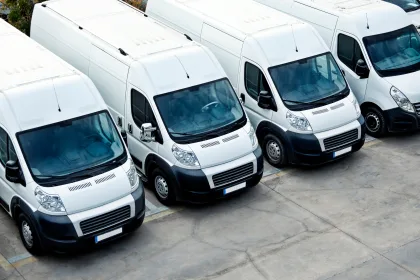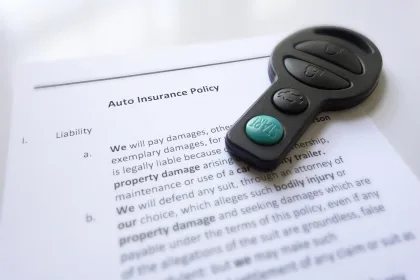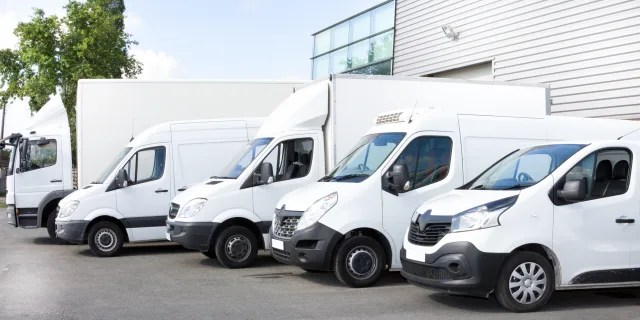
Rising insurance costs are driving businesses to look at how they manage their vehicle fleets.
Factors including advances in technology, supply chain issues and longer, more-expensive repairs are currently driving up motor insurance claims across the industry, which is having a direct impact on business fleet insurance and businesses overall.
Counting the cost
Insurers paid out a record £3.2 billion in motor insurance claims in Q2 2026, according to the latest data from the ABI. This was 5% higher than the previous quarter, and 7% more than the same period last year
This has largely been driven by rising repair costs which have seen standard fixes such as windscreens rise 7% to £283.
The cost of repairing complex components including auto-braking and lane-assist systems is further driving up the price of repairs, while the price of replacing an EV battery is currently £8,000 to £12,000.
The latest figures show the average claim has risen to £4,900, although the average premium remained stable, rising by £6 to £566.
ABI Director of General Insurance and International Policy Chris Bose said: “Motor insurers are working hard to keep premiums competitive and affordable for customers, despite ongoing high claims costs. The Motor Insurance Taskforce provides a real opportunity for the new government to work with insurers and the automotive sector on this, to help improve affordability for drivers further.
“Alongside the positive steps the industry is taking to improve the claims-handling process and to tackle vehicle-related crime and fraud, Government investment is also needed. By increasing repair sector skills and improving parts availability, policymakers can help the sector keep pace with vehicle innovation and support a more resilient market. We stand ready to work with government and industry to help deliver these reforms.”
Managing the risk
While modern vehicles offer advanced safety technology in a bid to reduce risks, the ABI warns these features can also make repairs and replacements more costly.
Commercial vehicles carry a higher risk because they spend more time on the road and are usually transporting expensive cargo.
Insurance brokers such as Patons Insurance can work with fleet customers to help manage the risk and ultimately drive down the cost of fleet insurance premiums.
Risk management is key. By introducing measures such as driver training, telematics and robust evidence gathering following an incident to reduce fraud and exaggerated claims, businesses can demonstrate to their insurer that they are reducing the risk they present.
By recognising the risk and taking steps to mitigate it, they could receive lower premiums when they renew their fleet insurance policy.
Some fleet insurers on Patons Insurance’s panel use the latest CCTV and telematics technology to help provide tailored and bespoke risk management advice.
Reviewing claims data including location and frequency can identify vehicles, incident types or routes where claims costs are increasing and businesses can take steps to mitigate the risk.
Monitoring driving style can help lower insurance premiums as safer driving reduces the chances of being involved in a collision. Less erratic driving also saves fuel and wear and tear on vehicles.
Nikki McCulloch, AON head of claims UK, said: “Rising claims costs, driven by inflation, evolving vehicle technology and extreme weather, are putting real pressure on fleet premiums. But this isn’t inevitable. Fleets that use claims data, telematics and EV insights to target risk hot spots and strengthen driver behaviours will not only improve outcomes, they’ll also be better placed to secure stronger terms from insurers.”
Fraud
AON found that commercial fleets continue to be targeted by organised crime gangs which were responsible for 40% of motor insurance fraud in 2024, including staged accidents, non-existent injuries, cash-for-crash collisions and ghost-broking scams.
It is urging companies to introduce robust procedures to identify potential fraud, including staff training.
Evidence provided by telematics, dashcams and incident-reporting checklists help ensure vital evidence is collected to challenge fraudulent or exaggerated claims.
Natural hazards
More fleet vehicles are being damaged by extreme weather and floods, both on the road, as well as at depots where they are susceptible to the elements.
AON recommends flood-risk mapping to help reassess vehicle deployment strategies, as well as introducing business continuity plans following the loss of or unavailability of vehicles due to weather events.
Drivers should also be trained to assess the risk posed by extreme conditions.