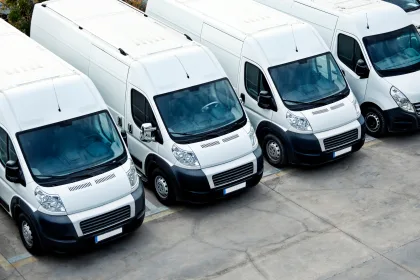
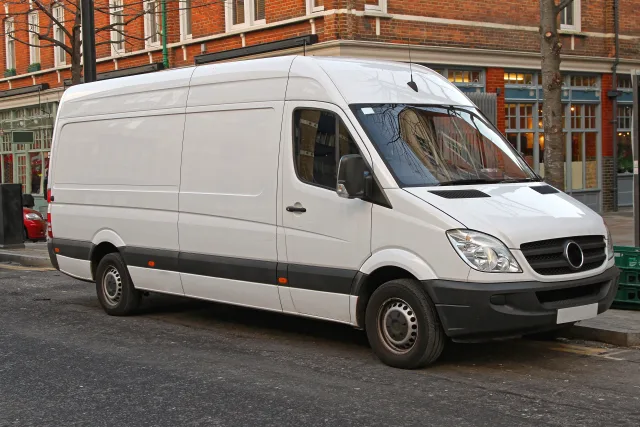
Large fleets have traditionally been populated with new vehicles, often as a result of deals with manufacturers.
And smaller operations have also enjoyed discounts on new vehicles which would see them replaced regularly to ensure reliability and maintain standards.
But the rising cost of new vans has made many fleet operators rethink this approach and follow the lead of car fleets.
New direction
Automotive Management Online reports that many operators are now focusing on the used-van market to run their operations.
It says the 2026 Arval Fleet and Mobility Observatory found that the number of fleet operators purchasing used vans is expected to more than double within the next three years, from one in six fleets (15%) to more than a third (39%).
John Peters, head of Arval Mobility Observatory in the UK, told AM Online: “While van fleets have been slower than their car counterparts to adopt used vehicles – 53% of car fleets currently operate preowned – the gap is quickly narrowing.
“There are probably a number of factors behind this shift for van operators, but perhaps the most important is buying new has become more expensive, especially for fleets that are electrifying, so cheaper, used examples are becoming a more attractive alternative.”
Business as usual
Fleet vans are workhorses. Often used for deliveries or to get staff and equipment wherever they are needed. They are on the road every day, being put through their paces.
Minor scrapes and scratches are to be expected and while major damage should be a red flag to operators looking for a replacement vehicle, staff and customers can easily overlook a few cosmetic blemishes.
The important thing for a business is that the van does what it needs it to and saves money on the price of a new vehicle.
Advances in technology mean that vans made five to eight years ago have all the necessary features to be used by fleets without major and expensive upgrades.
Whether it is connectivity to the operator’s systems such as delivery and tracking software or even buying electric vehicles, the second-hand market is substantial enough to offer a sustainable supply of used vans to fleet operators.
Buyer beware
As with any used vehicle, mileage and maintenance need to be taken into account. Fleet operators shopping in the used van market ideally want something in good condition that is reliable and has been well maintained.
While a van that has rolled off the assembly line should be ready to go without any issues – and comes with the reassurance of a full warranty behind it if anything does go wrong – fleet managers need to do their due diligence when buying used.
As long as it meets the needs of the business, the potential savings make it a worthwhile consideration, especially as switched-on managers will already have one eye on the lifespan of the vehicles they are bringing in, as well as its potential replacement.
In addition to making savings on the price of new vans, fleet operators buying used vehicles might also find they are making savings on the cost of their fleet insurance, bringing another welcome boost for the business.
Arval Mobility Observatory found that although the new van market has grown in the first half of 2026, with 158,648 new light commercial vehicles registered, it follows a 10% drop last year representing a reversing decline, rather than an increase.
It notes that new van sales have still not recovered to pre-pandemic levels, and with the rising cost of new vehicles, demand for used vans is expected to increase, especially among fleets.