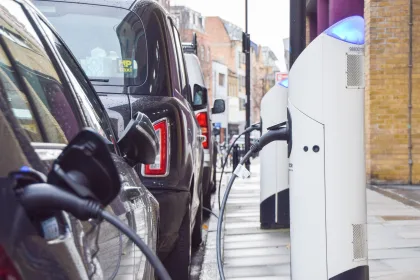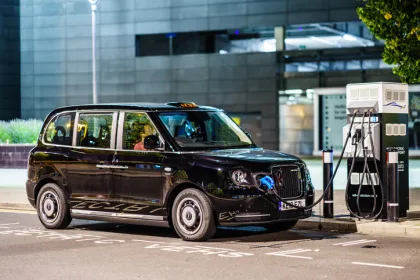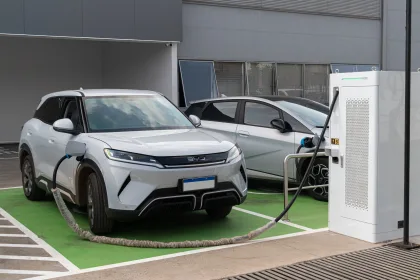
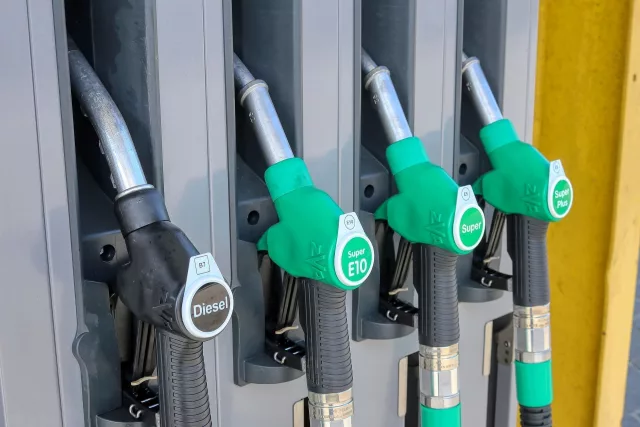
It might seem incredible that diesel could stop flowing from most service station pumps by 2035 — but the drive for EVs could see some forecourts pulling the plug in just four years.
Experts predict that falling demand for diesel vehicles, combined with the rising number of EVs on our roads, will see diesel completely dry up at the pumps by the end of the 2030s.
Electric drive
And the Telegraph reports that London could be first UK city without any diesel cars because of the expansion of the ultra-low emission zone which charges a daily £12.50 fee for diesel cars registered before September 2015 to drive in the capital.
Citing analysis by EV think tank New AutoMotive, the Telegraph reports that as more drivers switch to EVs, “many of the roughly 8,400 filling stations across the UK will have stopped selling the fuel by 2035”.
The think tank predicts that in 10 years, there will only be about 250,000 diesel cars left on the roads — a huge drop from the 15.5 million recorded at the end of June, 2025.
The report said: “Nationwide, it is clear that diesel fuel sales are falling, and this is being driven by the reduction in car numbers.
“Whilst it is impossible to accurately predict when the majority of filling stations will stop stocking diesel, it is clear that there is a distinct possibility that many will over the 2030s.”
Changing demand
The Petrol Retailers Association told the Telegraph that last year “only 57 per cent of its members believe fuel will be a core source of their revenue in a decade”.
And New Automotive revealed That while the amount of diesel sold for cars rose steadily from 2005 to 2017, sales in 2023 were 22 per cent lower than the peak.
The sale of new petrol and diesel cars will be banned in the UK from 2030 and the Society of Motor Manufacturers and Traders found that only 5.1% of new cars bought last year were diesels.
Instead, it found petrol cars accounted for 46.4% of sales and EVs made up 23.4%.
New Automotive chief executive Ben Nelmes explained the reason diesel will be the first to go at the pumps.
Diesel shelf life
He said: “If fuel sits in tanks without selling at pace, it degrades. As diesel availability tightens, many motorists will conclude the smartest option is to avoid the headache and go electric.”
A Petrol Retailers Association spokesperson told the Telegraph its members have “no definitive plans to cease selling diesel”.
“Nonetheless, they consistently track evolving customer preferences and adjust their services in response.
“This is reflected in investments such as expanded retail shops, EV charging facilities and first-class valeting services.”
Down but not out
However, not everyone is convinced the death knell for diesels is just around the corner.
Steve Gooding, director of the RAC Foundation, told the Telegraph: “It might seem ironic that concerns over the lack of public EV chargepoints will be reversed when diesel drivers anxiously seek service stations where they can still fill up”.
He added: “There will come a tipping point when the number of diesel cars and vans on the road falls so far that the commercial viability of stocking the fuel at every forecourt falls away.
“But it feels like a brave move to call the death of diesel today when the vast majority of the vans and trucks that power our economy are still diesel-fuelled.”
The future of motoring will eventually be electric. The uncertainty is knowing when the balance will shift. And while predictions for 2030 and 2035 are being made, many drivers currently have more questions than answers.
For example, is it feasible that by 2035, 15.25 million diesel vehicles will been scrapped and replaced by cleaner EVs? Will the battery technology and charging infrastructure be in place to accommodate them, as well as growing demand? And can the National Grid cope with millions of extra vehicles being plugged in to charge overnight?
While there are firm deadlines in place for the switch to EVs, the answers to address serious concerns of professionals such as fleet owners and operators and taxi drivers appear less concrete.