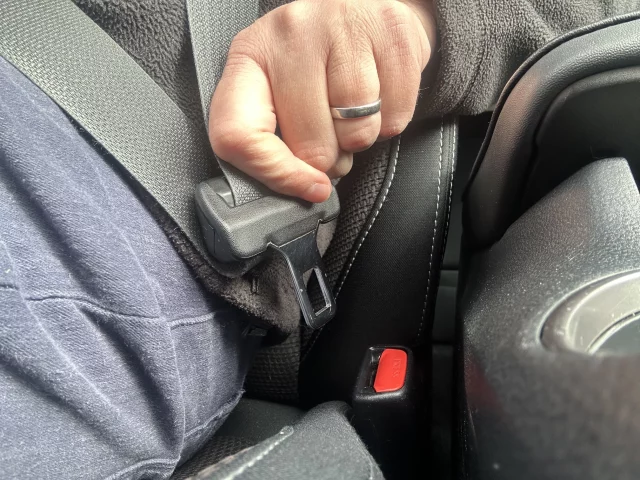
Seatbelts are proven to save lives, which is why police strictly enforce laws governing them.
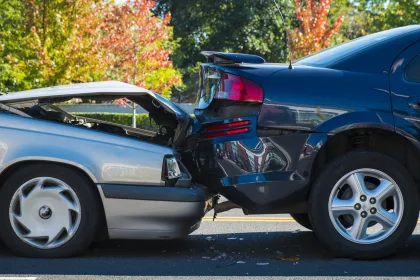
Anyone involved in a crash who is not wearing a seatbelt can suffer severe and even fatal injuries, especially if they are ejected from the vehicle. They can also seriously injure and kill other passengers within the vehicle, particularly at higher speeds.
The advice is for all drivers and passengers to wear seatbelts whenever a vehicle is moving.
Exemptions
The law states that all drivers and passengers over the age of 14 must wear seatbelts where they are fitted. Those who flout the rules face fines of up to £500 and drivers can be fined up to £500 if a child under 14 is not in the correct car seat or wearing a seat belt while the car is moving.
Failing to wear a seatbelt is not currently an endorsable offence – which means drivers don’t have to inform their taxi insurance provider if they are penalised – but passengers are required to wear seatbelts at all times. Drivers are also responsible for the safety of everyone travelling in their vehicle and it is better for all passengers to buckle up.
While seatbelts are intended to keep everyone in a vehicle safe, exemptions that allow taxi and PHV drivers not to wear them are also based on safety concerns.
Insurd explains that the exemptions are in place when seeking hire, such as plying for hire on the streets or waiting at a taxi rank, and while carrying passengers.
“These exemptions are designed to enhance the safety and operational effectiveness of taxi drivers.
“The rationale behind this exemption is primarily related to the risk of assault and the need for quick egress from the vehicle.
“Numerous instances exist where passengers have assaulted taxi drivers using the seatbelt as a weapon. Thus, not wearing a seatbelt allows for a quicker escape in potentially dangerous situations.”
Further exceptions
As well as exemptions for taxi and PHV drivers, seatbelts can also be removed when any driver is reversing, and for a vehicle on deliveries that is travelling no more than 50 metres between stops.
Those with a medical exemption must carry their Certificate of Exemption from Compulsory Seat Belt Wearing in their vehicle and also need to inform their taxi insurance provider.
And while it remains a taxi driver’s choice, many opt to wear seatbelts for their own safety, especially while driving at higher speeds on dual carriageways and motorways.
Taxis fitted with screens which separate the driver and passengers reduce the risk of assault and make it easier for drivers to decide to buckle up.
With safety in mind, many newer vehicles are fitted with equipment such as airbags which require a seatbelt to be fastened in order to operate safely.
Other systems include visual and audio alerts that sound when a seat is occupied but the seatbelt hasn’t been fastened. These often get louder as the journey continues, encouraging people to buckle up before going any further.
Seatbelts save lives and help reduce serious injury. There are legitimate reasons why certain people are exempt and why exceptions can apply in particular circumstances. As with other regulations, taxi and PHV drivers must understand and follow the rules and, when appropriate, use their judgement to decide whether the situation warrants the exemption. It wouldn’t make sense that something which is intended to protect them can be used as a weapon against them, leading to serious injury.