It can feel there’s no end to a taxi driver’s outgoings, from the cost of fuel to licensing fees, taxi insurance, as well as vehicle servicing and maintenance.
Fuel is usually the largest part of your weekly spend, which makes savings of any kind welcome.
Compiling advice from industry experts, Patons Insurance has combined the top five cost-cutting tips to help taxi drivers make savings. What stood out for us is that reducing costs in one or two areas can have a bigger impact on your overall outgoings.
1. Think thrifty
Visits to the petrol station and charging point are unavoidable, but shopping around and reducing the frequency of visits is the best way to keep the cost down.
The most effective way to do this is to upgrade your taxi to a newer, more-efficient model.
Modern vehicles have more efficient engines for drivers sticking with petrol or diesel taxis. As well as getting more miles per visit to the pump, newer vehicles produce lower emissions which avoid Low Emission Zone (LEZ) and Clean Air Zone (CAZ) charges.
And when it comes to filling up or charging, shop around for the best price. Even a few pence at a time adds up and apps such as FuelGenie, Fuelio, or PetrolPrices make it easy to get the best price for your fuel.
To maintain a successful taxi business, the goal isn’t just to cut costs wherever possible — it’s to manage them effectively while maintaining a high standard of service.
2. Compare taxi insurance
As with fuel choices, when it comes to taxi insurance, shop around for the best deal.
Some drivers might choose to stay with their current provider to avoid the hassle of switching or because they believe they will earn a discount for loyalty.
By using a taxi insurance broker, drivers avoid the hassle of trying to compare multiple insurers. A broker can find the cover that reflects your driving patterns and vehicle use.
And even if you choose to stay with your current insurer, you are better placed to choose the best cover that meets the needs of your taxi business, including breakdown cover and public liability insurance.
Drivers who are able to switch to a cheaper provider that meets their needs will be saving money on a regular basis.
3. Reduce ‘dead miles’
Taxi drivers need to make the most of every penny they spend on their business. When it comes to fuel, you want to avoid “dead miles” — the time spent travelling between fares. The more dead miles travelled, the more frequent visits to the petrol station — without fares to cover the cost.
While it might be tempting to go from one job to the next, drivers can end up travelling further for a fare that doesn’t cover the cost of fuel used to get there.
The advice is that after dropping off a passenger, wait five or 10 minutes for other jobs in the area before moving on to another spot where you are likely to find work.
Not only does this help to decrease your dead miles, it also provides a quicker service to customers.
4. Drive smarter
The way a vehicle is driven impacts running costs as well as maintenance and repairs.
Drivers who accelerate rapidly or brake hard use more fuel and add to the wear and tear on their vehicle.
Correctly inflated tyres can reduce fuel consumption by 3% and getting rid of dead weight can improve it by 1%. Reducing and maintaining your speed on motorways by about 10mph could also save you as much as 25% on fuel.
Regular servicing and maintenance can also generate efficiencies and reduce the likelihood of bigger, more expensive problems down the line.
The longer your taxi stays on the road, the bigger the return on your investment.
5. Switching to EV
Electric vehicles are becoming one of the most cost-effective options available for taxi drivers.
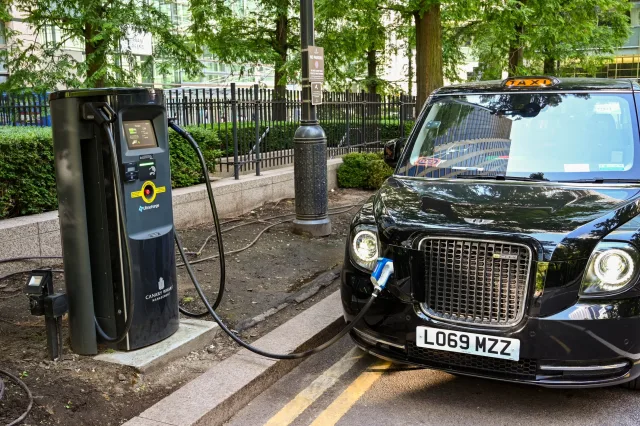
They are exempt from LEZ and CAZ charges, they can be recharged cheaply at home overnight or by using the expanding network of fast-charging points if you are on the go.
Hybrid options also reduce fuel consumption, especially for drivers whose work includes towns and cities but might also take them on longer journeys.
Electric taxis really make a difference over time with noticeably lower running costs. They require less maintenance than those with a petrol or diesel engine because they have fewer moving parts.
The Government is also offering a plug-in taxi grant (PiTG) for taxi drivers to help reduce the initial price of a new, purpose-built taxi.