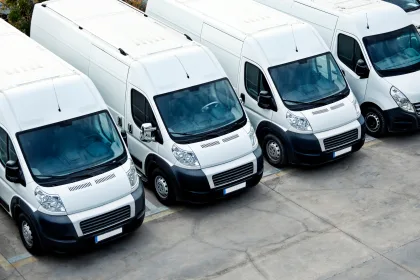
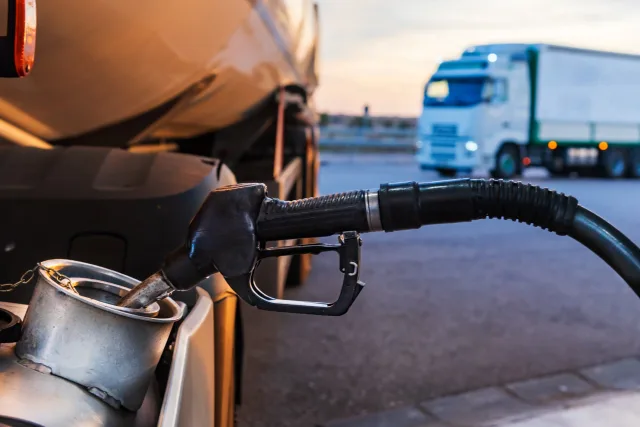
Fuel cards have become essential for businesses looking to manage the fuel spend on their vehicle fleets, whether it is vans and HGVs or employees’ own cars.
Making savings and reducing the admin burden are the two main factors that drive fuel card use. But there is no one-size-fits-all solution and it is important that fleet owners and managers find the right card to meet their needs.
Benefits of fuel cards
When businesses use fuel cards, the price is debited from the company account in real time, reducing admin and making paying for fuel simpler. Fuel cards also offer savings and help reduce fraud.
Most cards offer discounts on the cost of fuel and 1p-3p per litre reductions across a large fleet adds up to a substantial saving.
Fuel cards can be set up solely to pay for fuel, or can be configured to allow for related products, servicing and maintenance and toll charges.
They can be customised to include spending limits per driver or vehicle and integrate with telematics systems for detailed reporting and analysis.
One advantage of fuel cards is that by directly debiting a company’s account, it removes the need and admin surrounding employees using their personal accounts to pay for fuel and claiming back their expenses.
It also makes it easier for businesses to reclaim VAT as every transaction is recorded automatically, categorised by driver and vehicle, and produced on a single VAT-compliant invoice which does not rely on drivers remembering to keep hold of receipts.
Fuel cards also provide detailed insights into fuel consumption patterns which can help managers optimise their fleet.
Choosing the right fuel card
The starting point when choosing a card should be the geographic area in which the vehicles travel and selecting a card that is accepted in that area.
Cars and vans can use most service stations, but HGVs and coaches need access to commercial vehicle sites, which might limit the choice of locations that accept particular cards.
Efficiency and savings are the main benefits of fuel cards, but the industry continues to evolve and different brands introduce products and offers to make them stand out from the crowd.
This includes mobile apps, telematics integration, contactless payments and EV charging, which might also influence a business’ decision when choosing a fuel card.
Most cards operate on a credit account basis which requires a credit check. For new or small businesses, or those wanting to avoid a full credit check, a prepaid fuel card might be a better option.
Businesses need to decide whether to choose pump-price cards, which charge the daily rate of the forecourt, or fixed weekly prices, which are set on a Monday and that price applies to every transaction until it changes the following week.
Fixed weekly pricing gives businesses a more predictable fuel budget and can be a commercial advantage when wholesale prices are fluctuating.
It is also worth making sure they meet the future plans of a business, including growth, which may require other related services — such as telematics integration and fraud protection — as the fleet expands.
Hi-tech overview
For any business which operates a fleet, along with maintenance and fleet insurance, one of the biggest operating costs is its fuel spend.
Fuel cards can offer an holistic view of fleet operations and fuel efficiency, but businesses need to understand how they work in order to enjoy the full benefits they offer.
Otherwise any savings they might make at the pumps could be swallowed up by card and transaction fees for controls and options they are not using.
Choosing the right fuel card for your business and configuring it correctly can reduce admin, saving you time and money.