As the drive towards greener motoring continues, new environmental standards are expected to have a major impact on vehicle fleets.
Experts say the changes will push up the cost of new vehicles and could lead to the cancelling of models which are too expensive or difficult to re-engineer.
But the new regulations may also help businesses improve their fleet operations, especially as they make the switch to electric vehicles.
European emissions standards
From November 29, the first stage of the Euro 7 standard comes into effect for all new cars and vans launched from that date. By May, 2029, all new vehicles will have to meet the new standard.
Euro 7 replaces the Euro 6 standard which has been in place since 2015. It limited the quantities of pollutants such as carbon dioxide, nitrogen oxide, hydrocarbons and particulate matter produced through exhausts.
Importantly, Euro 6-compliant vehicles do not need to be adapted to meet the new requirements or have to be replaced.
Changes under Euro 7 standard
As well as setting new, lower limits for harmful pollutants, the new standard looks beyond what comes out of a vehicle’s tailpipe and covers its wider environmental impact during its lifetime.
This includes particle emissions from brakes and tyres, battery durability and real-time monitoring of exhaust gases.
The biggest change for fleet operators is expected to be vehicle procurement, maintenance and long-term vehicle strategy.
The first stage of the new standard applies to cars and vans, with new trucks, buses and coaches having to comply from May 29, 2028, and all new registrations from May 29, 2029.
How the changes effect fleets
The changes are expected to add £1,700 to the cost of a new vehicle, with fleets already facing rising inflation, operating costs and fleet insurance premiums.
CBVC fleet solutions said fleet operators need to take a long-term holistic approach to their vehicles.
“Euro 7 places new emphasis on brake and tyre emissions, which may influence component choice and maintenance intervals.
“More durable components may cost more upfront but could reduce whole-life costs through fewer replacement cycles. Vehicle software will also flag emissions-related issues earlier, requiring fleets to adopt more proactive maintenance strategies.
“It is likely that Euro 7 will increase vehicle acquisition costs, and maintenance strategies may need to evolve as fleets adapt to new durability and emissions requirements. Taking a whole-life cost approach will remain the best way to assess the financial impact.”
Euro 7’s impact on business
Simon Ridley, Managing Director at Dawsongroup vans, told Insurance Edge that while the cost of engineering current models to be Euro 7 compliant could see delays in availability or lead to their production being stopped, the new regulations can also benefit fleet operations.
He said: “Fleets planning replacement cycles around specific models need to build that risk into their thinking now, rather than assuming the vehicle they want will still be available when their current contract ends.
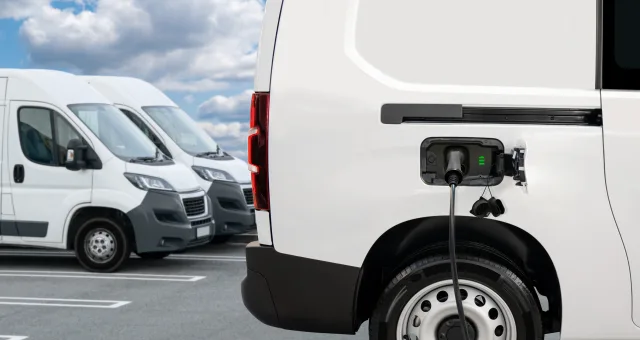
“Battery durability rules give operators more confidence in what they’re actually buying or hiring. For a business signing a multi-year agreement, knowing the battery is required to hold its performance for a set period removes a lot of the guesswork that’s put people off electric vans until now.
“Buying an electric van outright means committing to today’s technology, today’s grant levels and today’s residual value assumptions, all at once. Rental separates those decisions.
“An operator can trial electric vans on their toughest routes, swap models as newer, more efficient versions come to market, and avoid being left with a depreciating asset if their operational needs change.”