With winter just around the corner, fleets are starting to feel the pressure. Heavy rain, ice, snow, and poor visibility all increase the risk of accidents on the road, and an unexpected incident can take a vehicle off the road and disrupt fleet schedules.
Fleet managers know that costs rarely stop at repairs and lost working time – a rise in claims can also push up fleet insurance premiums. But the good news is that many winter-related incidents can be preventable.
By putting safety first, fleet operators can protect their drivers and keep their business moving. This article looks at the practical steps that make the difference.
Common winter driving hazards
How dangerous is winter driving compared to other seasons?
Data from Admiral claims that on average, there is a 25% increase in the number of car insurance claims made in November compared in April. Not only that, but they also found the highest percentage of severe incidents take place in winter months.
The colder seasons bring a range of driving hazards that your fleet should already be aware of, including:
- Sun glare: The sun sits lower in the sky during winter, meaning it can shine directly into drivers’ eyes at road level and affect visibility.
- Darker evenings: There are fewer daylight hours, meaning more journeys take place in darkness or low-light conditions, reducing visibility.
- Wet weather: Winter in the UK typically brings heavier rainfall, which can reduce tyre grip, cause surface water and flooding, and create spray on motorways, all of which can affect visibility.
- Ice: Icy roads can be particularly dangerous as they are not always visible to drivers. They can reduce tyre grip, making it harder to control a vehicle and increasing stopping distances.
The importance of looking out for your drivers
With the turn in weather bringing more unpredictable driving conditions, it’s a good idea to consider what you need to do to get your drivers ready for winter and put those measures in place.
The Health and Safety Executive (HSE) states that you must manage health and safety risks to workers who drive a vehicle as part of a work activity. You’d expect an office manager to adhere to health and safety laws in an office building, and the same applies to fleet managers with drivers carrying out work activities on the road.
In short, it’s your legal responsibility to take steps to ensure the health and safety of your employees, as per the Health and Safety Act 1974.
Preparing your fleet for winter
Getting your fleet ready for winter doesn’t have to be difficult. Some decent planning and preparation will help you keep things moving safely.
Essential vehicle maintenance
Alongside your usual daily walkaround checks and scheduled maintenance, you should be thinking about how the colder weather will impact your vehicles.
An essential winter maintenance checklist includes:
- Tyres: Check that tyre pressure and tread depth are within safe limits. Colder temperatures can reduce tyre pressure, while wet and icy roads can make it harder for them to maintain grip.
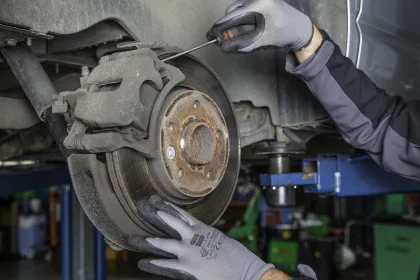
- Brakes: Test brakes and check brake pads for signs of wear to ensure they are working effectively, particularly when driving in wet or icy conditions.
- Electrical systems: Check that all electrical systems are working correctly, as vehicle lighting and heating are likely to be used more frequently during the colder, darker months.
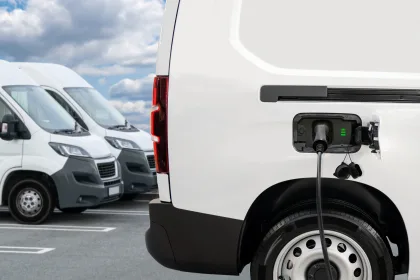
- EV batteries: Cold weather can affect battery performance and reduce driving range. Regularly checking the health of your EV fleet’s batteries can help prevent unexpected downtime.
Driver communication
One of the best ways to manage the health and safety risks in your fleet this winter is to set clear expectations for driving safely.
You should set clear expectations around:
- Essential winter walkaround checks.
- Increasing following distances in adverse weather conditions.
- Adjusting speed appropriately depending on road conditions.
- Using fog lights when visibility is reduced.
- Reporting vehicle defects.
Effective journey planning
Journey planning is another part of fleet management that can help keep drivers safe in winter.
Keeping up to date with the weather forecast and live road conditions before your drivers set off is a good start, but you should also consider:
- Route choice: avoid areas prone to flooding and ungritted ice.
- Keeping timings realistic: account for slower driving during hazardous road conditions.
- Rest breaks: fatigue can be amplified by the darkness and cold, so regular stops are essential.
Preparing for emergencies
Encourage drivers to carry basic essentials in case of unexpected breakdowns. This can include:
- High-visibility clothing.
- Torch.
- Power bank and phone charger.
- Ice scraper.
- Drinking water and snacks.
Keep your business moving with fleet insurance
Even the best preparation can’t prevent every accident, which is why the right fleet insurance matters. A suitable policy gives you peace of mind that your business is protected when the unexpected happens.
With winter fast approaching, now is a good time to review your cover and make sure it meets your needs through the colder months. We can help by comparing quotes from some of the UK’s leading fleet insurers on your behalf, making it easier for you to find a competitive deal.
Start your quote online or call us on 0333 015 6886, and our expert fleet team will be happy to help.