A written statement to parliament from the Department for Transport (DfT) earlier this year states that ‘no new petrol or diesel cars will be sold after 2030.’ With the government’s push towards greener transport, taxi drivers are increasingly weighing the benefits of switching from petrol/diesel to electric vehicles.
Are taxi drivers going green?
Although petrol and diesel remain the most common fuel types among taxis in England, the number of hybrid and electric vehicles is growing rapidly.
According to data from the government’s Taxi and Private Hire Statistics England 2024, over the period 2020 to 2024, the number of taxis using petrol and diesel has fallen from 89% in 2020 to 71%.
On the other hand, in the same timeframe the proportion of hybrid vehicles has more than doubled (from 10% to 28%), and the proportion of battery electric vehicles has quadrupled (from 0.2% to 0.9%).
Private hire drivers are also opting for greener vehicles. Over the same time period, the number of PHVs using petrol and diesel has fallen from 65% to 46%. The proportion of hybrid vehicles has increased from 34% to 44%, and the proportion of battery electric vehicles has also risen from 0.8% to 8.8%.
Why taxi drivers are making the switch
Lower running costs
Many taxi and private hire drivers have found that electric and hybrid vehicles cost significantly less to run than petrol or diesel. According to research, the cost of running an electric vehicle is 50% less than a petrol-driven car. Electricity is cheaper per mile than fuel, and hybrids use far less petrol thanks to their electric assist.
For high-mileage taxi drivers, these savings quickly add up, and with other costs to consider – such as applying for a taxi badge and finding the right taxi insurance – saving money where possible is always a bonus.
Reduced maintenance expenses
EVs and hybrids typically require less maintenance than a standard petrol and diesel car.
EVs have fewer moving parts – they do not have a traditional engine, gearbox, or clutch – which means they have fewer components that are susceptible to wear and tear over time. Additionally, electric vehicles benefit from regenerative braking, which reduces the need for brake pad replacements.
Hybrids also benefit from reduced wear because the electric motor assists the traditional engine, reducing the load on the engine and brakes. This leads to longer intervals between services and lower costs for parts like brake pads.
Reduced maintenance means less downtime and less frequent repair bills, helping taxi drivers spend more time earning on the road.
Local regulations
Cities across the UK are implementing Clear Air Zones (CAZ) to combat air pollution. If a taxi or private hire driver drives through these areas without meeting specific emissions criteria, they may face daily charges. In cities like London, Birmingham, Sheffield, and Portsmouth, operating an electric vehicle would exempt drivers from CAZ charges, potentially saving them hundreds of pounds each month.
Most hybrid vehicles are also exempt, however in some areas (such as London’s Ultra Low Emission Zones) they must meet specific emission standards to avoid the daily charge.
Government incentives
The upfront cost of an electric vehicle is typically higher than that of a traditional petrol or diesel car, as they cost more to manufacture. To support drivers in making the switch to fully electric, the government has introduced the Electric Car Grant (ECG), which allows eligible vehicles to be purchased at a lower cost. The scheme, which will run until the 2028/29 financial year, could see taxi drivers save up to £3,750 on a brand-new electric cab.
Challenges
Although the number of taxi and private hire drivers operating EVs and hybrids is rapidly increasing, some drivers remain sceptical about making the switch.
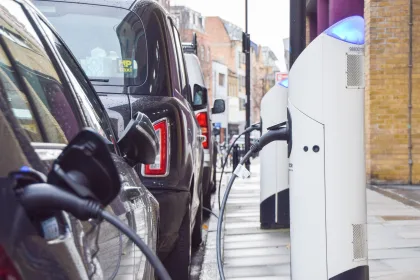
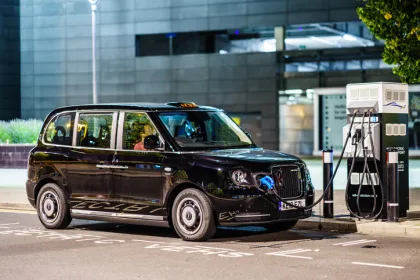
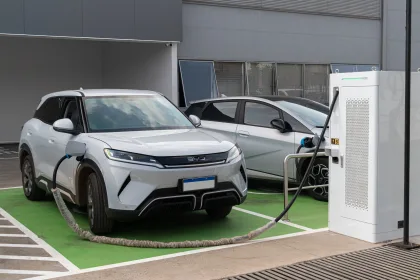
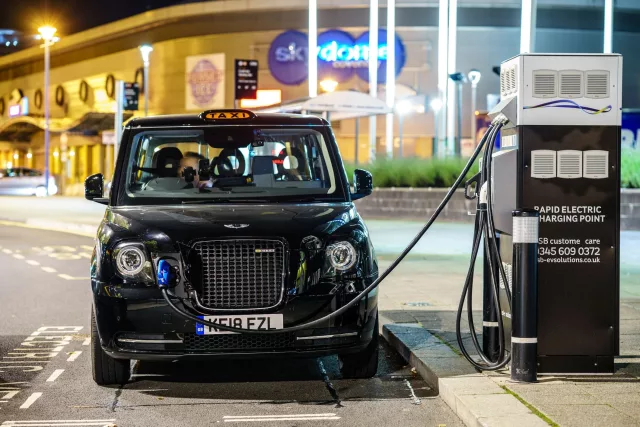
One of the biggest challenges is charging infrastructure – a lack of accessibility to publicly accessible charging is a concern for many drivers, especially those who travel long distances daily for work.
To help combat this issue, we’ve partnered with EV charging point installer Greenway Power Group (GPG) to improve the access taxi bases have to sustainable, efficient charging points.
Improvements to charging infrastructure will ultimately help taxi and private hire drivers make the switch to greener vehicles in line with the government’s sustainability targets.