Modern cars are fitted with a host of technology to make journeys as comfortable and as safe as possible.
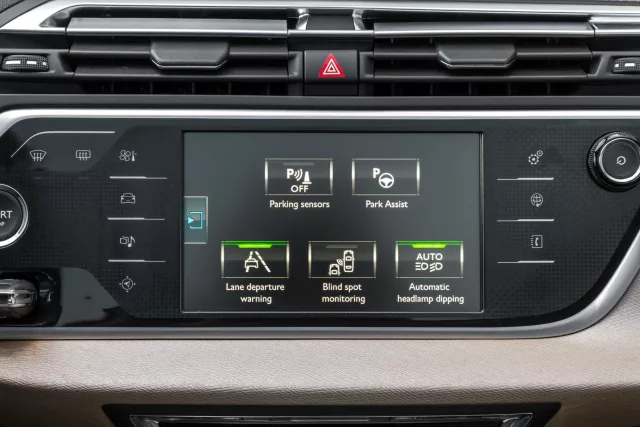
Many of the systems available — such as Advanced Driver Assistance Systems (ADAS) that use sensors and cameras to help prevent accidents by warning the driver to stay alert or intervening automatically to prevent a crash — can be the difference between life and death, especially at high speeds.
Blindspot
But road safety campaigners are concerned that many drivers are unaware of the safety features their vehicle offers them — and some even admit to switching them off.
The message behind the recent Road Safety Week was ‘Safe Vehicles Save Lives’, highlighting how safe vehicles can make roads safer by being roadworthy, preventing crashes, as well as protecting people in the event of a crash.
Run by the road safety charity Brake, Fleet News reports that the aim of the campaign is to involve fleet decision-makers across the country along with more than 3,000 schools, organisations, communities and individuals to make roads safer for everyone.
As part of the campaign, Brake is highlighting how when used correctly, the technology available in modern vehicles can help reduce the number of crashes and prevent serious injury by helping drivers keep within speed limits and brake in an emergency.
The charity also emphasises how it is essential that drivers carry out checks on their vehicle before every journey.
Advances
Ross Moorlock, chief executive at Brake, said: “This year, we have put vehicle safety at the very heart of Road Safety Week, because we know that whoever we are, and however we travel, the safety of the vehicles we use is critical to road safety.
“When we look back at the introduction of seatbelts and airbags, for example, the impact they have had on reducing road deaths and injuries is staggering.
“We know that modern vehicle technology, with automated driver assistance systems, has the potential to have the same transformational impact. There is simply no good reason why any new vehicle sold in the UK should not to be fitted with the latest generation, life-saving safety features as standard.”
Figures show that 59% of road deaths in 2024 involved speed.
Mr Moorlock added: “Safety features such as intelligent speed assistance and automated emergency braking can play a crucial role in preventing crashes and reducing the risk of death and serious injury on our roads, but only if we keep them switched on.”
Play your part
“I call on everyone who drives to find out more about the safety features in your vehicle, and I urge you to use them, to help keep yourself and the people you share the road with as safe as possible.
“We have the technology to save lives on our roads, we need to use it! Let’s make every journey as safe as possible.”
Worryingly, Fleet News reports that a recent study by Brake found that 63% of drivers don’t understand all the safety features in their car, while 18% are uncertain what safety features their car has. Even worse, 35% admit to having switched off at least one safety feature.
As part of the Road Safety Week campaign, Brake reiterated its call to the Government for life-saving technology to be compulsory for all new vehicles sold in the UK, including advanced emergency braking, intelligent speed assistance and attention warning in case of driver drowsiness.
Experts believe this could prevent more than 1,700 deaths and 15,000 serious injuries over 16 years and save up to £7 billion in health costs.