The Budget has introduced two major changes for the taxi industry, with VAT being added to fares booked through ride-hailing apps and EV drivers being charged for every mile they drive among the biggest.
VAT Loophole
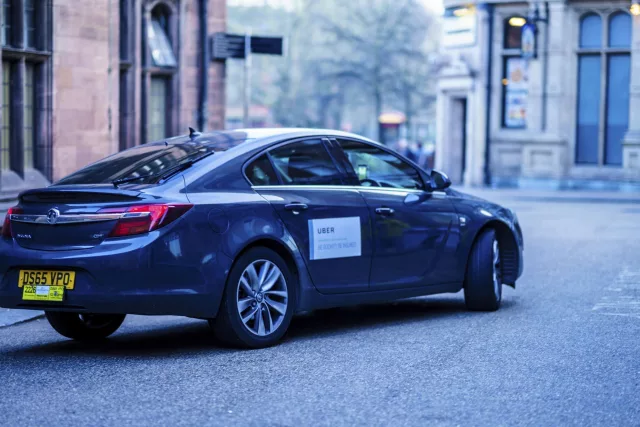
The first change will happen on January 2, when PHV operators such as major ride-hailing apps will have to pay 20% VAT on fares. It means every private-hire trip in London, and any operator nationwide that charges passengers directly, will have to add the full VAT to the fare.
The move is expected to bring in about £700 million for the Treasury by 2027-28 after the Government said it was closing loophole that was originally intended for tour operators. From January 1, ride-hailing apps can no longer use the Tour Operator Margin Scheme.
Jonathan Main, VAT Partner at MHA, told PHTM: “It looks like the worst possible outcome for ride hailers such as Uber and Bolt, as opposed to the status quo for more traditional private hire operators.”
Uber said the VAT decision was unfair. Regional General Manager Andrew Brem told the Evening Standard: “The government’s action today to change the rules will mean higher prices for passengers in London, and less work for drivers, when people are already struggling with the cost of living.
“The courts have twice ruled that the Tour Operators’ Margin Scheme applied to operators like Uber.
“This decision also establishes the absurd situation where a trip in London will be taxed at a different rate than a trip anywhere else in the UK.”
Compliance
Layla Barke-Jones, Dispute Resolution Partner at Aaron and Partners, urged operators to make sure they are compliant with the changes.
She told PHTM: “Following the Supreme Court decision earlier this year involving Uber and our client, Merseyside-based DELTA Taxis, this announcement will not affect fares from those private-hire firms that use an agency-based model.
“That decision was a major victory for consumers and the private-hire industry across England and Wales, and today’s Budget announcements do not undo the legal protections for operator business structures that we fought so hard to preserve at the Supreme Court and underlines the importance of that decision.
“Our advice to firms operating in the private-hire sector, whether or not they are currently using the TOMS scheme, is to review their contractual arrangements as soon as possible to ensure compliance and implementation of the correct business model for their organisation.
“Businesses will need to ensure they don’t fall foul of the potential tax, regulatory and other implications by not having the correct measures and contractual arrangements in place for their intended model, today’s announcement makes that all the more important.”
Following the Budget, there is no change for private-hire drivers, or private-hire operators who act as agents for cash fares.
The standard 20% VAT rate will continue to apply to PHV fares charged by VAT registered businesses.
EV charges
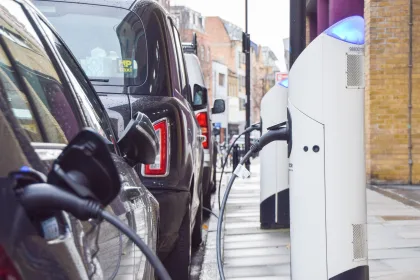
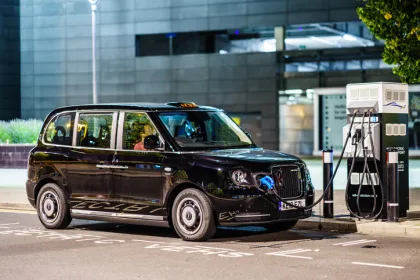
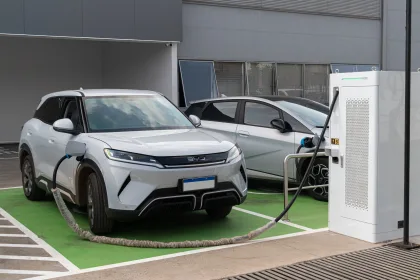
Another change the Chancellor announced on Wednesday is the introduction of charging EV drivers for every mile they travel to make up for the loss of duty charged on fuel.
As well as abolishing free VED for EVs earlier this year, from April, 2028, electric car drivers will pay a road charge of 3p per mile, while plug-in hybrid drivers will pay 1.5p per mile. The rates will increase each year with inflation, as well as other expenses such as taxi insurance.
The Office for Budget Responsibility said mileage will be checked annually, typically during an MOT, or for new cars, near the anniversary of their first registration. The charge is expected to bring in £1.1 billion in 2028-29, and £1.9 billion by 2030-31
But Patrick Gallagher, COO of Addison Lee, told PHTM: “Any positive measure to drive electric vehicle adoption in today’s Budget is undermined by the introduction of a pay-per-mile charge for EVs.
“For taxi and private-hire vehicle operators, these new charges, combined with the continued withdrawal of practical incentives, make running EV fleets across the UK increasingly difficult.
“Addison Lee estimates the cost of a pay-per-mile levy would be as high as £840 per year for an EV driver on our fleet, and £420 for a plug-in hybrid driver. This additional charge comes on top of the removal of the congestion charge exemption for EVs in London which increases EV running costs in the capital by as much as £4,700 each year for the average driver.
“Today’s Budget only puts the UK’s electric dreams even further out of reach.”
James Dow, General Manager UK & IE at Blacklane, agreed, telling PHTM: “The new pay-per-mile scheme for electric vehicles risks undermining efforts to drive greater EV adoption, potentially slowing the shift towards greener choices. This is especially a risk in a city such as London that will also be hit with the removal of exemption for EVs in the Congestion Charge zone from next year.
“We encourage sustained policy-maker investment and collaboration with industries driving high EV adoption, as well as individual EV owners. This should include enhancing public charging infrastructure, reviewing VAT on public charging as a priority, and targeted support for those now facing higher ownership and running costs ensuring that momentum in EV adoption is supported, and not lost.”vvv