
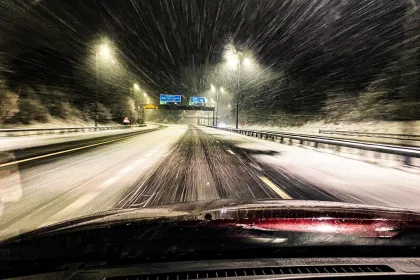
Making sure taxi drivers are ready for winter
Taxi drivers earn their living on the roads and their vehicles must be ready for anything, including the freezing temperatures we are currently experiencing with what has been called the Troll of Trondheim.
Taxis are the tools of their driver’s trade and need to be maintained to the highest standards.

From horses and carts to a fleet of EV taxis
One of England’s oldest taxi businesses is steering its way towards an all-electric fleet of taxis.
Whiteside Taxis in St Annes on Sea started with Handsome Cabs in 1880 and has seen many changes in the years that followed. But, as with the transition from Handsome Cabs to the Hackney and private-hire taxis we are familiar with today, it did not happen overnight.

Tech making it easy for taxi drivers to secure fares
Technology is constantly improving and there are now more high-tech ways to connect taxi drivers with passengers.
As well as ride-hailing apps such as Uber and, more recently, Bolt, many UK taxi businesses have introduced their own technology to make it easier for passengers to book and pay for journeys.
Waze app making life easier for taxi drivers
Roads and traffic can change in an instant and taxi drivers need to be on top of their game to reach and drop off passengers safely and on time.
There are many sat-navs and navigational apps to help drivers reach their destination, as well as trying to avoid long delays in traffic.

Back to school with the help of Taxi drivers
Being stuck in traffic can be one of the most infuriating experiences on the roads for Taxi drivers.
But, whether you are battling the school run, commuting to work, or are a professional such as a taxi driver, the most important thing to do is keep calm.
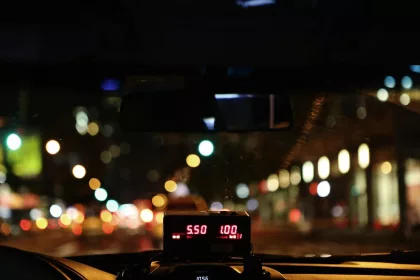
Taxi fares may increase to help drivers
We are facing rising costs in every part of our lives, so it is not a surprise that taxi fares are also being affected, and today we received devastating news that energy bills are expected to soar by £1,500 a year from October.
As with other businesses, taxi drivers are also facing increases and have had a difficult time dealing with soaring prices at the pumps for most of this year.

Keeping taxi drivers and passengers safe with cameras
There are few places you can go today without being picked up by an array of security cameras.
Whether it is in a bank, shop, or just walking down the street, the average person is filmed about 70 times a day.
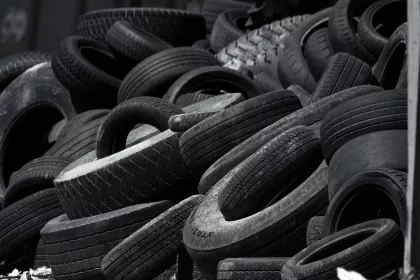
Always put vehicle safety ahead of savings
Taxi drivers are being urged not to risk vehicle safety when it comes to car maintenance as we all continue to feel the pinch.
The call comes as the cost of living continues to rise and soaring fuel prices mean it costs more to keep taxis on the road.

Lessons on how to drive an Electric Vehicles
As drivers gear up to make the switch to electric vehicles, many are focusing on the cost, range and charging points of the green motors.
But there are also some key differences in the way an EV and a petrol and diesel car are driven, and it makes sense for people to consider taking lessons to get used to the new technology.

How To Prepare Your Taxi For The Country Reopening
We’re almost there, folks. After 12 months of uncertainty, doom and gloom, the UK finally has a roadmap out of the COVID-19 pandemic. The country is going to start moving again VERY soon, and bringing with it much needed support and income to the taxi and private hire industry.
Patons Insurance are here to provide our top tips on ensuring YOU are fully prepared as the country reopens throughout 2021.
Patons top 5 tips for driving in the dark
Whatever vehicle you drive, driving in the dark can be dangerous.
Whether it’s late at night or first thing in the morning, no matter how well you might think you know a particular road, junction or dual carriageway; at this time of year it will now pose a completely new set of challenges.

Coronavirus – Patons’ top tips for safer taxi travel
Since the start of the Coronavirus outbreak, taxi and private-hire drivers, have provided an essential service transporting NHS staff, key workers, patients and the vulnerable.
As life starts to return to normal, and fares begin to pick up, at Patons we wanted to do all we could to keep you protected.