With operators desperate to show their vehicles are safe and reliable ahead of global rollouts, autonomous cabs haven’t always offered a smooth ride.
Puddle problems
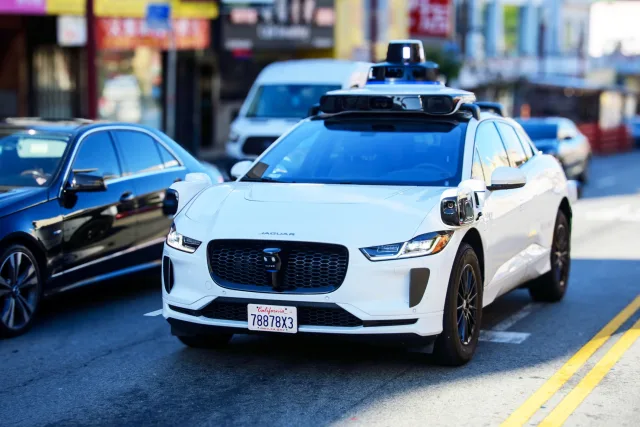
Just before the launch of Waymo’s driverless trials in London, some of its vehicles caused gridlock on a busy road in Texas when confronted with a puddle.
The Independent reports that while other traffic managed to safely navigate the water hazard, one Waymo vehicle stopped in front it, causing long tailbacks. Two of its fellow robotaxis weren’t put off as they approached the water, but stopped when they drove into them, further adding to the gridlock.
The Google-owned company operates 1,500 self-driving cars in five US cities, with safety being a priority.
Across all operators, the National Highway Traffic Safety Administration has recorded more than 5,000 autonomous vehicle accidents in the US.
Dead end
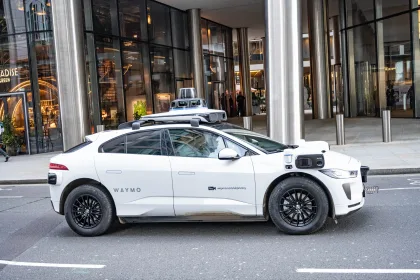
And since the London trial began, the BBC reports that some of the robotaxis have been waking up residents in the early hours as they move through narrow streets.
Residents in Spitalfields told the BBC a Waymo car had been “waking everyone up with a ridiculous mixture of a reversing noise and siren sound” at about 4am most days for about a week.
Waymo “apologized sincerely for any disruption caused” and added: “We take this matter seriously and are working with our operations partner to ensure appropriate action is taken.”
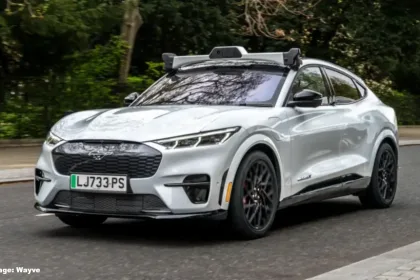
The vehicles being trialed in London are operating autonomously but do have a safety driver on board.
One resident told the BBC: “We just can’t understand why. There is someone in the car, it is quite obviously a dead end, and they are still coming down this road multiple times a week.
“By the time the car has made its way back out, everyone has been woken up.”
Rank outsider
Waymo cabs have also caused eyebrows to be raised by pulling up at taxi ranks in the capital.
An image shared by the London Cab Drivers Club (LCDC) showed a robotaxi joining long taxi rank queue at Waterloo Station, as Taxi Point reports.
Taxi Point explains that the trials are being carried out ahead of legislation aimed at future commercial operations.
It added: “London has become a key testing ground for automated driving systems because of its dense traffic, complex road layouts and high pedestrian activity. Companies involved in UK trials currently operate with safety drivers behind the wheel, with vehicles gathering real-world data and assessing how systems respond to buses, cyclists, taxis and unpredictable urban conditions.”
Despite Department for Transport expecting “limited autonomous passenger services could begin appearing from 2026”, Taxi Point reports that large-scale deployment in central London remains some way off, adding: “Black cab drivers and industry representatives have continued to question whether autonomous systems can safely navigate the capital’s busiest districts to the standards expected of licensed taxi drivers.”
All drivers make mistakes, including taxi drivers – and now robotaxis. Taxi insurance covers drivers, their passengers and other road users in the event something does go wrong. The current concern over autonomous vehicles is safety in their programming and whether they can avoid or get out of difficult and potentially dangerous situations.
This is the point of trials such as those taking place in London – to work out any bugs and issues, and make sure they are safe for passengers and all road users.