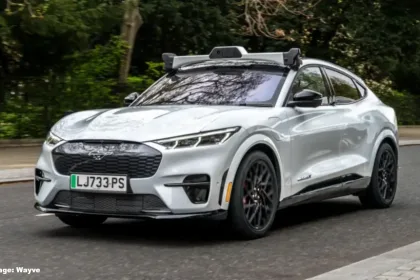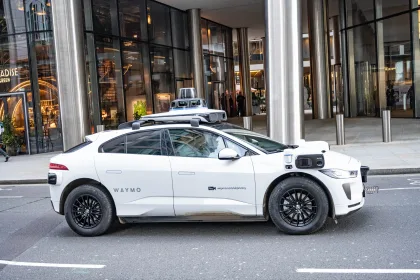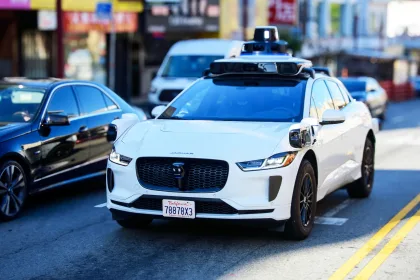
Taxi technology continues to evolve on the ground and in the air with trials for driverless robotaxis being carried out in London.
Now the government has backed Vertical Aerospace to start building its flying taxis in the UK.
And as the race to get the first commercial flying taxi in the air continues, other uses for the technology are already being explored.
Taking off
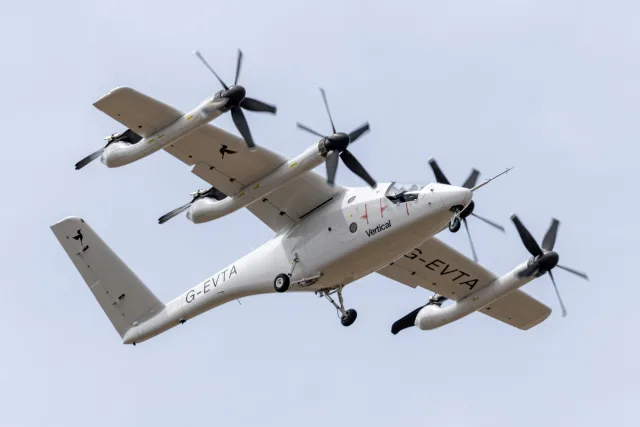
Vertical’s aircraft resembles a small plane but takes off and lands vertically like a helicopter.
Dubbed the Valo, it impressed crowds with its first public flight at the Farnborough International Airshow last month.
It can carry four passengers and reach speeds of up to 150mph. Its battery packs give it a range of about 100 miles. The company is also exploring a hybrid option which would extend its range, although this version would not be emissions free.
The company has received government grant funding of up to £10 million towards the selection of UK sites for its aircraft and battery facilities, with a final decision expected by the end of the year.
Vertical explained that UK production would also enhance safety, with production falling under the same regulatory framework of the UK Civil Aviation Authority (CAA) and would be the first time in three decades that a new plane has been designed and built in the UK.
Military interest
While other companies try get their taxis in the air first, Vertical has also revealed that the Ministry of Defence is interested in exploring the opportunities the technology can provide the armed forces in terms of transport, as well as military operations.
Speaking to The Guardian, Vertical chief executive Stuart Simpson that the hybrid option opens up “dual use” – civilian and military.
He added: “It leverages the commercial airframe, but with a different powertrain, which the military are very interested in.
“Because silent take-off and landing, you can cruise up to 1,000 miles in it, low noise signature, low heat signature – [it is] really interesting.”
British built
Building the Valo in Britain also opens doors for other opportunities.
Mr Simpson told Sky News the extra funding is “a major vote of confidence”.
He added: “It means we will continue to create high-value jobs, strengthen Britain’s advanced manufacturing base, and build aircraft that will be exported to customers around the world.”
The Government and Vertical are in talks with a Bristol aircraft manufacturer about proposed manufacturing facilities which are expected to support around 700 direct jobs by 2030.
Once it obtains certification from the CAA, Vertical intends to build 150 aircraft a year at its existing site in Kemble, Gloucestershire, but the proposed new plant would increase production to 1,000 a year.
And, when it is operational – which the company hopes will be by 2029 – Vertical expects flights should cost “about the same as a taxi ride, because the same aircraft will be able to do several return trips in the time a cab could do a journey such as from London’s Heathrow airport to the centre of the city”.
It is incredible to think that while robotaxis are waiting for approval to operate on their own on London’s streets, we could be two to three years away from passengers flying to destinations they would normally jump into a cab for.
Whether it is on the road in a traditional black cab or PHV with the correct taxi insurance in place, in a robotaxi, or eventually taking off in a flying taxi, safety is always the main priority.