Plans to end a temporary fuel duty cut have been pushed back by Chancellor John Healey in his first Budget this week in a welcome move for fleet operators.
With ongoing uncertainty continuing around conflicts in Ukraine and the Middle East, the Chancellor extended the fuel duty freeze until January 1, 2028 – the 17th consecutive annual freeze. He also delayed ending a temporary cut which would have added 5p a litre back on the cost of petrol and diesel from March 1.
Breathing space
The Chancellor announced that fuel duty and other measures announced in the Budget would give Britain “some breathing space on the cost of living”.
The 5p fuel duty cut was introduced by the Conservatives in 2022 following Russia’s invasion of Ukraine and was extended by Labour. It had been due to end in September, with phased increases of 1p and 2p, until March 1.
Had the Chancellor not extended the freeze, fleet operators would have been seen duty on each litre of fuel increase from 52.95p to 57.95p, with VAT charged on top of that duty.
During the Budget on Wednesday, the Chancellor told MPs: “Earlier this year, the Government extended the 5p cut to fuel duty and slashed red diesel to its lowest rate in over 20 years.
“With the war in the Middle East still driving high fuel prices, I am extending these tax cuts for motorists through the winter and spring to July, supporting households, hauliers, and farmers.”
GB News says that since Labour came into power, it is estimated that fuel duty freezes have saved the average car driver £230, the light goods driver £472 and the average HGV driver nearly £4,000.
Prices at the pumps
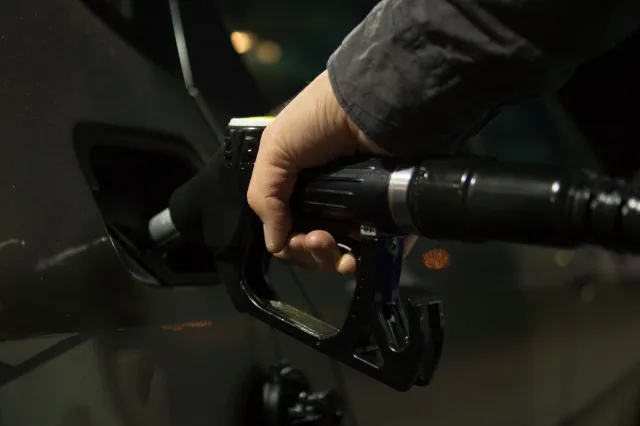
While the fuel duty freeze and extension to the cut delays higher prices at the pumps, critics say it hasn’t made the cost of filling up any cheaper.
RAC senior policy officer Rod Dennis said: “While drivers may breathe a mild sigh of relief knowing that fuel duty isn’t going up, many are likely to be disappointed the Chancellor didn’t go further to support them.
“RAC research published yesterday showed nearly two-in-three regular drivers wanted cuts to duty or VAT on fuel, with a similar proportion now cutting back on other spending because of the high cost of fuel.
“A freeze only avoids making an already difficult situation worse – it doesn’t make filling up any cheaper.
“And it’s worth remembering that pump prices still soared this summer, despite fuel duty being at this very same reduced rate.
“Drivers will now have to hope for an easing of the international conflicts that have pushed up oil prices and disrupted fuel supplies if pump prices are to come down in a meaningful way.”
Shopping around
While fuel prices are higher than they were this time last year, ending the fuel duty cut would have hit fleet operators hard and quickly, adding 5p a litre from March.
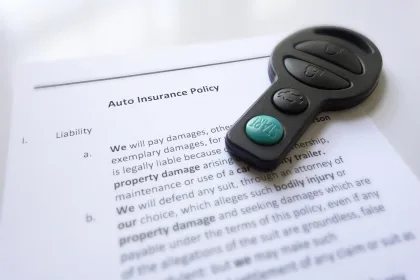
Only a major change in the international situation would have helped offset such an increase, which would have added to rising costs in other areas, such as fleet insurance.
Extending the 5p duty reduction until July gives fleet operators breathing space and time to shop around for the best deal for fuel, or look to make the switch to electric vehicles.
Had the first incremental rise kicked in from December, businesses would quickly start to feel the impact without having time to mitigate it and subsequent increases.