Changes to vehicle markets have a major impact on professionals who drive for a living.
The Government is sticking to its 2030 deadline to ban the sale of new petrol and diesel cars, and 2035 for vans and self-charging hybrids.
Following global economic issues, as well as shortages of parts and qualified technicians to maintain EVs, the government has launched a consultation which could change the speed at which those deadlines are reached.
The consultation runs until October 23, and for taxi and PHV drivers, fleet operators and those involved in the motor trade, any changes are likely to impact their business plans.
Taxi timeline
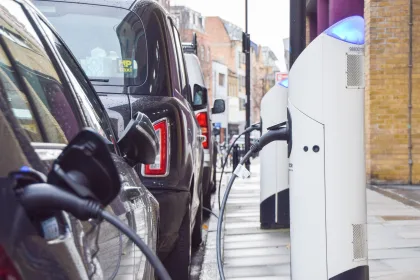
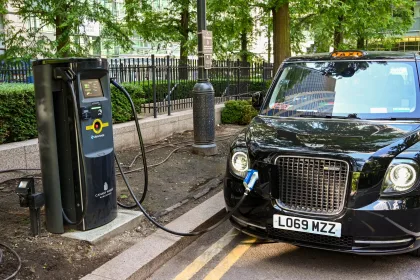
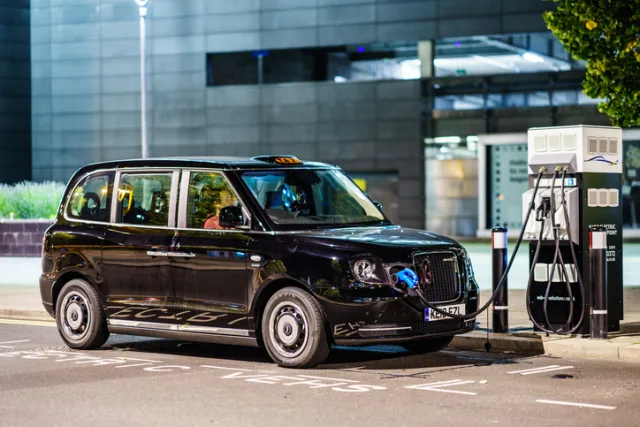
The taxi trade relies on new and nearly-new vehicle replacements which clock up more miles than private motorists. As well as the initial cost of an EV replacement, Taxi Point says the charging infrastructure needs to be in place to ensure vehicles are ready to accommodate the next fare, without lengthy recharging delays or expensive bills.
It said: “For cars, ministers are seeking views on maintaining the existing 80% ZEV target for 2030 or reducing it to 70%, 60% or 50%. Another option would retain the 80% target while extending manufacturer flexibilities until 2034. For vans, the existing 70% target could remain or be reduced to 60%, 50% or 40%.”
As well as finding the right time to make the switch, Taxi Point says that changes to the timeline could affect the “range and pricing of electric models entering the market, while also affecting the supply of petrol, hybrid and plug-in hybrid vehicles during the transition”.
Driven by demand
Many in the motor trade believe the change should be driven by demand, rather than manufacturers hitting Government targets.
Swansway director Peter Smyth told Car Dealer Magazine that “buyer behaviour has changed towards EVs and hybrids, but the transition is still being handled too ‘aggressively’ by the government.
“People are becoming more and more accepting of EVs, and definitely more and more accepting of hybrid vehicles.
“What the government needs to do is just tone it down a bit, make the target more achievable and natural to customer demand.”
Vicky Hart, marketing director at Waylands, agreed.
She told Car Dealer: “The biggest issue with the current ZEV framework is that it places the compliance burden on supply when the principal challenge is demand.
“Manufacturers and retailers are being required to hit increasingly ambitious targets, often through costly incentives and discounting, despite consumer adoption not keeping pace.”
She said greater flexibility with the annual targets would help “avoid excessive discounting that ultimately damages profitability and residual values”.
And she wants policymakers to recognise the importance of the used EV market — especially battery health certification and financing — which is where many customers will make the switch.
Fleets finding their feet
The impact of any ZEV mandate changes will be felt more by businesses that operate large fleets.
Fleet Cover says purchase price and running costs are only part of the bigger EV picture.
It said: “Whilst the transition to an EV fleet can be costly upfront, the long-term savings resulting from cheaper operational costs and upkeep are likely to make your fleet more cost-efficient in the long run.”
In order to ensure the change generates savings, it recommends starting with a comprehensive, data-driven audit of your fleet and its functions.
This should include vehicles and their routes, which will help determine the most suitable EV replacement and which fleet insurance cover to choose.
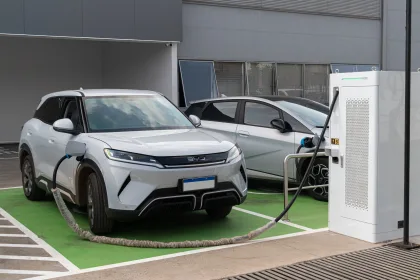
Charging infrastructure is key to running electric vehicles and fleet managers should look at depot charging, as well as options for drivers using home or public chargers.
It is also important that drivers receive proper training to make the most efficient use of EVs, as well as monitoring the performance of the new vehicles to ensure the maximum return on investment.