With winter fast approaching, the clocks go back an hour on Sunday 25 October at 2 am, meaning evenings will get dark an hour earlier.
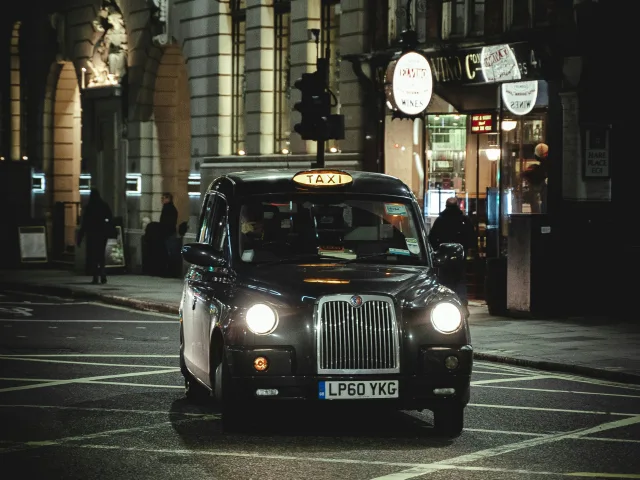
Taxi and private hire drivers working at night can be exposed to all kinds of risks, from tiredness to intoxicated passengers. No matter where you work, taking the right precautions can help keep you safe.
Here are some practical safety tips to help taxi and private hire drivers stay safe as evenings get darker.
1. Check your vehicle before starting your shift
Checking your vehicle before setting off helps you spot issues and avoid getting stranded in the dark.
You should make sure:
- You have enough fuel or charge to start your shift.
- Your mirrors and windscreen are clear and you have good visibility.
- Headlights, indicators and brake lights are working
- Oil levels are above minimum.
- Tyre pressure and tread are sufficient.
2. Stay alert and manage your fatigue
Did you know that fatigue is responsible for 10-20% of all crashes in the UK? Long shifts and irregular working hours as a taxi driver can contribute to fatigue, especially at night, which can affect your reaction times and concentration on the road.
To reduce the risk of tiredness:
- Get enough sleep so you’re well rested before starting your shift.
- Don’t rely on caffeine to make up for a lack of sleep.
- Take regular breaks, especially if you’re working long hours overnight.
- Stop driving as soon as you notice yourself feeling tired or drowsy.
3. Be cautious when picking up passengers
Passenger safety is an essential part of working as a taxi or private hire driver, but your own personal safety matters just as much.
Working at night can pose additional risks of violent or aggressive passengers, especially if they are intoxicated.
To keep yourself safe from aggressive passengers:
- Trust your instinct – you don’t have to accept a passenger or continue a journey if you feel that your safety is at risk.
- Explain the route you plan to take and, where possible, agree on the fare beforehand to avoid disputes over the price of the journey.
- Only let passengers sit in the front with you if you feel comfortable.
- Don’t open your windows all the way to prevent people from reaching into your vehicle.
4. Keep open communication with other drivers or your local base
Letting your dispatcher or a trusted contact know about your location is another good way to keep safe while working at night.
Communicating your route to a dispatcher or another driver while your passenger is in the cab lets them know others are aware of your location and the route you are taking, which can deter theft or aggressive behaviour.
If you work for a local base, your operator’s control room may be able to track your live location and may have procedures to discreetly alert someone in an emergency. If you work independently, consider keeping in contact with other local drivers throughout your shift.
5. Protect yourself against theft
Carrying cash or using expensive equipment can make you a target for theft, especially at night or in unfamiliar areas.
Simple precautions can help reduce these risks:
- Keep cash out of sight and avoid displaying valuables.
- Use contactless or card payment options where available.
- Park in well-lit areas and keep your doors locked while waiting for bookings.
- Never leave your vehicle unlocked or keep windows open while unattended.
6. Use technology to improve driver safety
Technology can provide an extra layer of protection for taxi drivers working late hours.
Dashcams can help document incidents, while GPS tracking and driver safety apps can make it easier to share your location with your dispatcher or a trusted contact. If you work for an operator, your booking platform may also provide passenger details and emergency assistance features.
If you use a dashcam or audio-recording equipment, make sure that:
- You adhere to privacy and data protection requirements.
- You adhere to your licensing authority’s rules and regulations.
- The devices you use are compliant.
7. Make sure your taxi insurance is suitable
Even the most careful and prepared drivers cannot eliminate every risk on the road. Accidents, vehicle damage, theft and unexpected incidents can happen at any time, including during late-night shifts.
Appropriate taxi insurance or private hire insurance is therefore an important part of managing the risks associated with hire and reward work. Standard private car insurance will not cover you to transport paying passengers.
Depending on your level of cover, taxi insurance may offer protection for vehicle damage, third-party liability and other risks associated with your work. A broker like Patons Insurance can help you find cover that’s suitable to your unique requirements.
Final thoughts
When you’re working at night, safety should never be an afterthought. Knowing how to stay safe will help you protect yourself while working on the road.
In addition to protecting yourself, you should also take steps to protect your vehicle. The right taxi insurance should give you confidence that your vehicle is covered if something goes wrong.
We can offer expert advice and competitive rates to get you cover that’s both suitable and affordable. Start your quote now by calling us on 0333 015 6886 or fill out the online quote form.