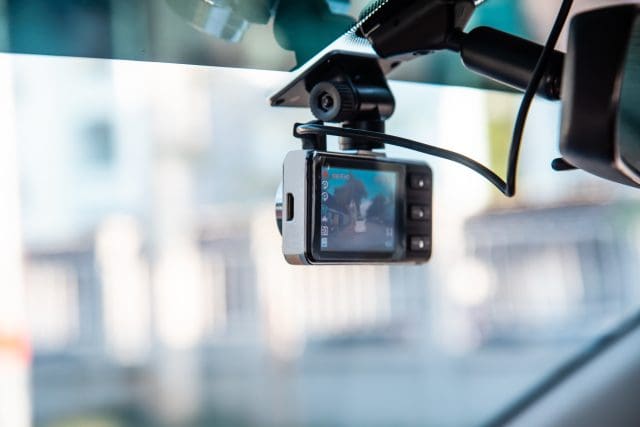
Installing CCTV and dashcams in taxis is becoming increasingly common across the UK as drivers are looking for more ways to protect themselves and their passengers.
But because cameras capture personal data, there are legal and licensing rules that taxi drivers must follow. This article will walk you through what you need to know before installing CCTV into your cab.
Is it mandatory?
In most places, CCTV is not mandatory for taxi drivers, but there are some exceptions, and rules and regulations can vary depending on where you work.
Scotland and Wales
In Scotland, there is currently no mandatory requirement for CCTV in any council that sets the standards for taxi licensing. It’s also voluntary for taxi drivers in Wales, but the Welsh government has issued a template policy for licensing authorities to use to encourage a move towards more unified national standards.
England
In most areas of the UK, CCTV is currently optional for taxi drivers, but it is compulsory in some areas.
With licensing authorities like Brighton & Hove, Southampton, and Portsmouth introducing mandatory CCTV, more and more areas in England are considering following suit.
Across the UK – with a few exceptions – the trend currently leans towards optional but encouraged installation, with local licensing authorities setting their own standards. But with more consultations around compulsory CCTV in taxis taking place in different councils, this could change in the near future.
Why taxi drivers are considering CCTV
Although it’s not mandatory everywhere, many taxi drivers are increasingly weighing the benefits of CCTV.
Some benefits include:
- Safety – visible cameras can deter anti-social behaviour, theft, and assault.
- Protection from false claims – recordings can clear you of blame in customer complaints or disputes.
- Evidence for taxi insurance claims – footage can be used to determine fault in an accident, and it may even help reduce insurance costs by reducing the risk (depending on your insurance provider).
- Peace of mind – some taxi drivers and passengers feel safer when cameras are present.
However, when you use CCTV to record footage or audio of someone, it’s important to remember that you are collecting personal data, meaning that you must follow data protection regulations.
Legal requirements
Before getting a dashcam or CCTV camera fitted, it’s essential to understand what regulations there are to ensure you’re on the right side of the law.
Data protection
In the UK, data protection is governed by the UK General Data Protection Regulation (UK GDPR) and the Data Protection Act 2018. Recording images or audio of people counts as processing data, and that means you must comply with specific data-protection principles. Failure to do so can result in fines or enforcement action by the Information Commissioner’s Office (ICO).
Data controller
If you install and operate CCTV in your own taxi, you are considered the data controller, which means you are responsible for how the footage and/or audio is collected, stored, used, and shared.
As a data controller, you must:
- Register with the ICO and pay them a data protection fee (usually a small annual amount).
- Keep your data secure and delete it when it’s no longer needed.
If you’re unsure whether you need to register with the ICO, you can take their self-assessment to determine if you need to register and pay a fee, and if so, how much you’ll need to pay.
Clear signage
For transparency and compliance with GDPR principles, passengers must be informed that they are being recorded.
The best way to comply is to display clear signage on your cab that passengers can see as they enter the vehicle, letting them know their footage and/or audio is being recorded.
Best practices
To stay compliant and make the most of your CCTV or dashcam system:
- Seek permission from your local licensing authority before installation, and use their guidance to ensure full compliance.
- Take the ICO’s self-assessment to determine if you need to register and pay a data protection fee.
- Use equipment approved by your licensing authority, and aim to have it installed by a qualified technician.
- Check with your licensing authority if you need to obtain a certificate of installation.
- Display clear signage to keep passengers informed.
- Handle data responsibly – keep it secure, only keep footage as long as necessary, and delete it when it’s no longer needed.
- Contact the ICO or your local licensing office if you’re unsure about compliance.
Final thoughts
More taxi drivers are choosing to install CCTV and dashcams for safety and protection. While it’s not currently mandatory everywhere, it can be a valuable investment, as long as you follow the rules.
By staying compliant with UK GDPR, registering with the ICO, and following your local licensing authority’s guidance, you can enjoy the benefits of CCTV without risking hefty fines.