
Being a taxi driver comes with plenty of perks. You can set your own hours, work when it suits you best, and enjoy the freedom of being your own boss. It’s a flexible career that can fit around your life, and you also get to be part of a wider community. Across the UK, taxi drivers often come together to do great things in their local areas through events such as annual taxi outings, which show the real heart of the trade.
But like any business, there are costs involved. Aside from the obvious expenses, such as finding the right vehicle and taxi insurance cover, there are other costs that you may not consider if you’re just starting out. If you’re planning to become a taxi driver, it’s important to understand what expenses you might face so you don’t end up with any surprises. This guide is designed to help you uncover the hidden costs of taxi driving and provide a clearer picture before you get started.
Vehicle
Whether you are running a public-hire taxi or private-hire vehicle, the biggest expense for your business is the vehicle. The first step is to make sure it will do the job required and that it is affordable to run.
The area you plan to operate in usually dictates the type of vehicle you need. For example, congestion charges and clean-air zones in towns and cities mean that many taxi and PHV drivers have switched to EVs and other less-polluting vehicles, which are more expensive than petrol and diesel equivalents.
High up on the list of priorities for choosing a vehicle are its running costs, whether it is an EV or fossil-fuel vehicle. Taxi drivers need something that is economical and does the job as efficiently as possible, both in terms of fuel and maintenance, with low servicing costs being a big draw to EVs.
Taxi Insurance
The cost of taxi insurance is another big factor to consider and may determine whether you work in a busy city centre or focus on suburbs and more rural areas. It is also worth noting the policy excess which may need to be paid in the event of a claim, even if it eventually winds up being claimed back from a third party.
Depending on the insurance provider you go with, there are steps you can take to reduce your premium, such as building up your no claims discount or reducing the risk by parking your vehicle on a drive/in a locked garage.
Another good way to find savings is to use a taxi insurance broker, such as Patons Insurance, which has access to multiple specialist insurers and can find you their best possible quote and suitable insurance for your business.
You can find more tips on driving down the cost of your taxi insurance in our article: Why Taxi insurance premiums are rising in the UK.
Having addressed these main expenses, many drivers are ready to start earning, but there are other costs that might be overlooked.
Licensing fees
The cost of earning and renewing a taxi badge varies between different licensing authorities. The process includes application fees, enhanced DBS checks, medical assessments, language tests, vehicle inspections, etc. The frequency and cost of each of these depends on the licensing authority. This is what has driven thousands of PHV drivers to obtain their badge from one authority – usually with cheaper fees and quicker turnaround – and work in a different area.
The time it takes to carry out renewals and inspections also varies, which could mean more time off the road and more time that you are not earning.
Technology
The technology used to run a taxi business can also be expensive to replace or upgrade, such as meters, card machines, navigation equipment, CCTV, radios and smartphones. While this is an expense you can do without, this equipment is essential for running your business.
As well as any cost to be GDPR compliant with equipment such as CCTV, you also need to consider the consumables and extra expenses that go with them, such as secure data storage, receipts, printer rolls, cables, etc.
Ongoing charges
Vehicle maintenance
Vehicles must also remain clean and drivers should factor in the time or cost of getting this done once a week or more if necessary. If this isn’t something you have time to do yourself, you need to factor in the cost of a regular car wash or valet, which can add up to hundreds of pounds a year.
With the high volume of passengers entering and exiting your vehicle, many drivers opt for seat covers to extend the life of the interior, but these also need to replaced when they become worn or damaged. The same applies to floor mats, which are subjected to everything passengers trample in on their shoes.
As well as regular servicing and maintenance, such as replacing tyres and exhausts when necessary, there are other expenses for replacements that can catch you out. These include any licensing signs and notices, as well as no-smoking stickers which can become damaged or lost over time.
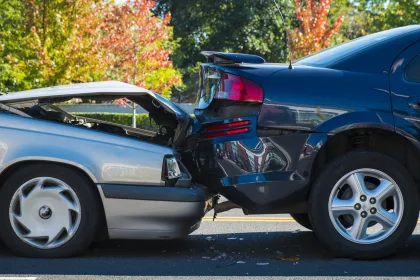
One of the biggest worries for a taxi driver is to have a breakdown and your vehicle is off the road meaning you are unable to earn while waiting to pay for repairs. Breakdown cover is definitely worth exploring, as well as garages that can provide a suitable replacement vehicle, to keep you and your business on the road.
Bookkeeping
Another important cost to consider is bookkeeping and filing tax returns. As a self-employed taxi driver, you either need to be able to do this yourself, which takes time, or hire an accountant to look after your affairs for you, which costs money. Whichever option you choose, you should make sure your accounts are in order so you don’t have an unexpected tax bill at the end of the year.
Breaks
And while we have been concentrating on different ways of helping you keep working, you also need breaks for you and your family. Being self-employed, this is something you have to build up yourself so that you are in a position where you can not only afford to but can enjoy taking time off work, without worrying how you will pay for it.
Conclusion
Many taxi drivers enjoy the benefits that come with their job and find it a worthwhile career. If you make yourself aware of the hidden expenses that can crop up, you can plan ahead and focus on the best parts of the job.