Being prepared is one of the most important attributes for a fleet manager. It’s being prepared for what’s around the corner, as well as further down the road.
The 2030 ban on new petrol and diesel vehicles is on everyone’s radar, with some already having begun the switch to EVs, while others will be working through the logistics of changes they need to make.
Lower drink-drive limits
In addition to major projects such as this, fleet managers must also be aware of more imminent issues, such as plans to reduce the drink-drive limit.
Most professional drivers would not consider drinking alcohol while they are working, even if it is within the current legal limit of 35 microgrammes of alcohol per 100 millilitres of breath. But being over the limit the morning after drinking is an issue now, and it will be even more of a concern if a lower limit imposed.
Nicholas Lyes, policy and standards director at road safety charity IAM RoadSmart, told Fleet Point that the emphasis on training becomes even more important if the limit is reduced to 22 microgrammes.
He said: “Fleet managers must take action to strengthen drink-driving policy and training provision, ensuring business drivers are aware of the potential upcoming change to the limit. Drink-driving awareness training could present the most effective way of relaying the changes to staff while simultaneously reenforcing best practice.”
Parking pain
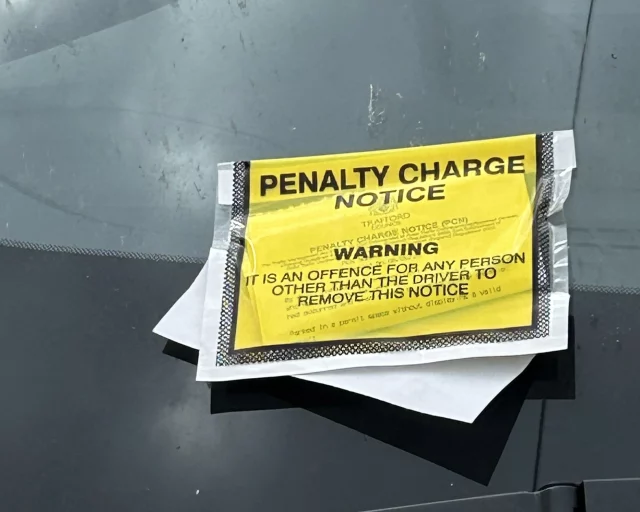
Parking fines are a major headache for fleet managers, especially if a driver feels they have been unfairly penalised and the company wants to appeal a fine.
The British Parking Association’s Private Parking Single Code of Practice was introduced in 2024 to improve transparency around private car park charges, including appeals. All sites must be updated by December this year to comply and fleet managers need to ensure their drivers are aware of any changes that might affect them.
Mr Lyes said: “Fleet managers must ensure that all vehicles are parked in accordance with the code of practice – which includes adhering to parking regulations and displaying appropriate signage – and that they understand the appeals process for parking charges in the event that the business receives one.”
Fuel duty
Rising costs are an issue fleet managers are constantly trying to keep on top of. As recent conflicts such as the invasion of Ukraine and the ongoing situation with Iran cause prices at the pumps to soar, and increased pressure on the insurance industry could also see companies paying more for their fleet insurance.
Most fleet managers will have accounts and loyalty schemes with specific fuel suppliers to ensure they can manage costs and earn discounts where possible.
While an end to the Iran conflict should see prices at the pumps fall again, increases in fuel duty only add to the pressure, and Mr Lyes believes the staged increased in fuel duty from September “will bring higher operating costs, especially for those with a large number of petrol or diesel vehicles, as the Government begins to reverse the current 5p-per-litre cut”.
He added: “At a time when fleets are already battling high fuel prices and growing costs, this will undoubtedly hit many hard, so fleet managers should be preparing for the increase now.”
Ahead of the changes
The Chancellor’s autumn budget also put a bump in the road for those switching to EVs by announcing plans for pay-per mile excise duty for electric and plug-in hybrids from April, 2028. The concern for fleet managers is the more their vehicles travel, the more they have to pay.
Another issue they need to consider — possibly for use in their own business as well as how to deal with them on the roads — is autonomous vehicles. Trials for automated taxis have been taking place in London and fleet managers need to ensure staff are aware equipped to deal with self-driving vehicles, especially in the event of a collision.
These and other changes show how important it is for fleet managers to plan ahead and deal with obstacles in front of them in a way that meets the needs of their business and not a knee-jerk reaction which could have negative consequences.