Managing a fleet of vehicles is about planning and productivity. As well as ensuring vehicles are safe and ready for the job they have been assigned to, it’s about making sure they — and their drivers — do that job as efficiently as possible.
Flexibility is key and good planning helps fleet managers react to issues including breakdowns and crashes, as well as routine disruptions such as servicing and maintenance.
But good fleet management is about more than keeping on top of vehicles. It can improve conditions and driver retention, help a business reduce costs, and deliver better customer service.
Key decisions
For some companies, owning and maintaining their own vehicles is the best way forward — from procurement to operation and disposal — while others may be better outsourcing the vehicles, their maintenance, or both.
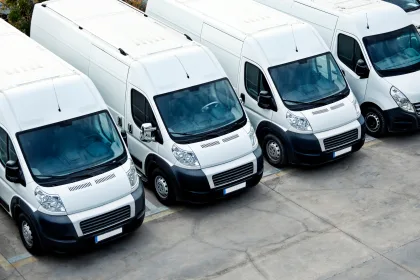
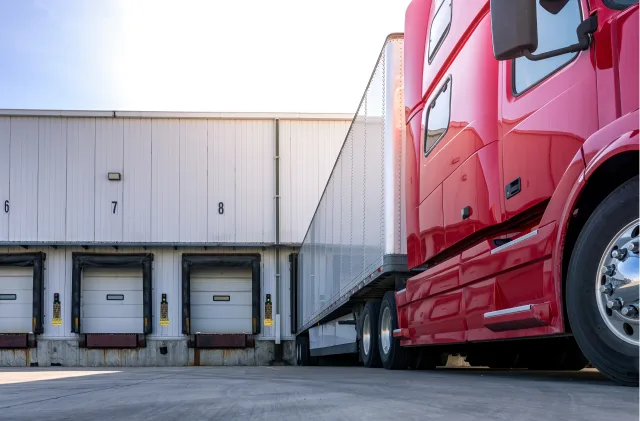
Fleet managers are responsible for all vehicles used by company staff, from vans and HGVs to cars and forklifts.
Having in-depth knowledge of the company they work for, as well as the transport industry as a whole, helps them find the best solution for the business.
Keeping on top of costs
Fleet managers select and then purchase or lease the vehicles required, taking into account the cost and efficiency, functionality and safety.
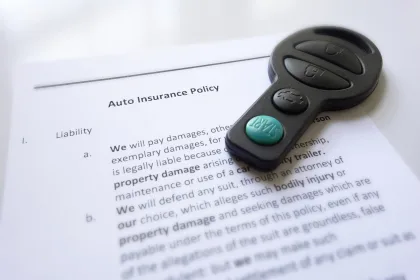
They remain responsible for managing costs of running the vehicles, from fleet insurance, to repairs and maintenance.
Fuel represents one of the biggest and most important costs to manage and it is vital that usage is not only monitored, but that driver training helps maintain eco-driving styles which use less fuel and reduce wear and tear on vehicles.
Most fleet managers adopt fuel cards to make savings, as well as reducing the admin burden in the office and on drivers.
Complete records
Fleet managers must ensure regular maintenance and servicing is carried out to keep vehicles safe, efficient and reliable. It is important that they document everything done to a vehicle, from servicing to accidents and repairs, as well as any compliance requirements.
Driver training is another key function of a fleet manager, ensuring that they are compliant with all policies and regulations, especially when it comes to speed and mobile phone use.
Their safety, as well as that of other road users, is vital and it is important to ensure training records are kept up to date to identify any issues that need addressing, as well as meeting industry requirements.
Adapting
Technology plays a huge part in fleet management, from GPS tracking, diagnostics and communication systems which can be used to improve vehicle and driver performance.
It can also be used to optimise route planning and improve safety.
The huge amount of data collected from vehicles and drivers helps managers identify trends and make informed decisions that will improve efficiency and reduce costs.
The right technology can also make drivers’ jobs easier, especially for logging deliveries and collections, which can avoid delays and frustration.
Changing direction
The fleet manager’s key responsibility is to find the right fleet for the business. Needs and situations change and it is important to be able to react to maintain safety and efficiency. For some businesses, this could mean changing the number of vehicles and drivers.
For others, outsourcing might be a better option. Again, it is important to find the service that meets the needs of the business. Whether it is vehicle rental or full fleet management services, it is important that it not only meets the needs of the business, but also complies with all regulations in the industry they operate in.
And while cost is a big factor, choosing the options that focuses on staff safety and wellbeing not only makes them feel valued in the job they are doing, it can also effect the way they carry out their roles and deal with customers.