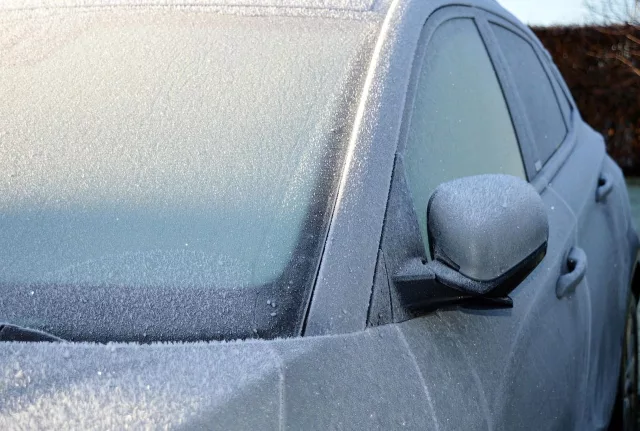
It is frustrating to get to your car and find the windows have frosted over, especially if you are a professional driver trying to get to work in a hurry. It will take several minutes to scrape ice from the glass and demist the inside of the windows and windshield, which is why people are keen to try any time-saving tricks, especially those that work in seconds.
Saving time
But the quickest and most-obvious method could cause a lot of damage to your car or van and the RAC is urging drivers to be patient and take a few extra minutes to avoid an expensive repair bill.
The motoring organisation reports that one in five drivers unknowingly risk damaging their vehicles by pouring boiling water onto frozen windscreens.
Citing research from eBay, the RAC says that 20% of drivers pour boiling water on to a frozen windscreens to help them get on the road quickly.
But the RAC warns: “This quick‑fix method, often used on icy mornings, can cause the sudden temperature change that leads to cracks, chips, or even a completely shattered glass.
“The findings from eBay highlight how common this risky habit is and underline the need for safer de‑icing practices during cold weather.”
For the sake of waiting a few couple of minutes, a cracked or shattered windscreen will take much longer to replace – as well as putting a dent in your pocket.
Causing damage
eBay found another method used to clear ice can also cause costly damage. It discovered that about 30% of drivers rely on their windscreen wipers to do the job.
But it warned: “This bad habit can put unnecessary strain on the wiper motor and can tear or blunt the rubber blades, reducing visibility and increasing the likelihood of needing replacements sooner.
“Together, these findings highlight how common winter‑morning shortcuts can unintentionally create bigger problems for drivers, reinforcing the importance of using safer, vehicle‑friendly de‑icing methods.”
Another risky and illegal method is when people start their cars and leave them running to defrost, while heading back inside to keep warm or complete last-minute tasks ahead of their journey.
This puts vehicles at risk of “ice bandits”, who wait for people to leave vehicles unattended and then drive off in them. If vehicles are stolen in this way, professional driver policies such as taxi insurance or fleet insurance may not pay out in the event of a claim.
Worryingly, the survey found that 18% of drivers admitted they are comfortable leaving their engine running to warm up and defrost the car — and even more concerning, 15% said they would leave it running while unattended.
The RAC reminds drivers that as well as increasing the chance of vehicles being stolen, Rule 123 of the Highway Code states that it is illegal to leave a vehicle with the engine running while unattended and drivers can face a fine.
Be prepared
Abir Tewari, UK Director of parts and Accessories at eBay, told the RAC: “We’re seeing motorists use a range of methods to clear their windscreens – some more effective and safer than others.
“It is vital drivers prepare their vehicles properly for challenging winter conditions.
“That’s why eBay offers a wide selection of tried, tested and safe solutions to make cold mornings simpler and safer.”
The RAC’s advice is to give yourself about 10 minutes to thoroughly clear a vehicle of snow or ice — including the side windows, mirrors and lights too.
Using a dedicated ice-scraper and de-icer will speed things up.
Before using the windscreen wipers, make sure they are not frozen to the windscreen, otherwise the rubber blades could tear, or, even worse, the wiper motors could be damaged.
Drivers are encouraged to keep an ice scraper and de-icer in the car because temperatures can quickly drop, especially in the evening, and cars need de-iced again.