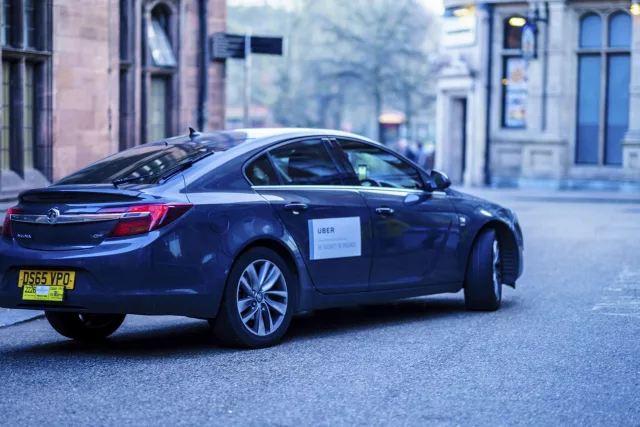
Uber’s technology has changed the way the taxi and PHV trade operates, with many firms running apps which let passengers book journeys as well as pay fares. Many people believed it had also signalled the end of the road for cash, with payments being made online or via bank card and mobile card readers.
But the technology firm has changed direction and is now allowing many passengers in the UK to pay with cash.
The BBC reports that following trials last month, the cash payment option has been extended to all UK cities, except London, where it is under review. Despite the change, Uber does allow individual drivers to opt out of taking cash payments, especially if they are worried about safety. Those who accept it can either pay it into their bank accounts or use it directly to pay for vehicle maintenance or even their taxi insurance.
Cash comeback
The move on Uber’s part followed a Treasury Committee report which the BBC said was “a wake-up call” to government on the issue, after many believed we were heading towards a cashless society.
The news has not been lost on the tech giant which, despite being launched as a cashless business, carried out trials in Birmingham, Stoke, Nottingham and Leicester. Following those pilots, it has extended the option of paying in cash to other cities because some people “preferred paying in cash or did not have a bank card”.
A spokesman told the BBC: “We believe that movement should be accessible to everyone, so following successful pilots in some UK cities over the past 18 months, we have decided to give passengers outside of London the option to pay for trips with cash.”
The company said that passengers can select cash as their payment option on the app and if drivers do not have enough change, the difference is given as a credit to the passenger’s account.
Funding the future
Cash campaigner Ron Delnevo, of the Payment Choice Alliance, told the BBC that Uber’s move “demonstrates that they now believe in the future of cash in the UK”.
He went further to call on the government to introduce a law that would force all shops and services to accept cash. However, ministers have said there are no plans to introduce such rules.
The Treasury Committee’s report highlighted various groups who still rely on cash, including people with learning disabilities and those who use cash to keep to a budget. They also included survivors of domestic and economic abuse who told the committee they risk being traced by their abuser via electronic payments.
Sam Smethers, chief executive of the charity Surviving Economic Abuse, told the committee: “It really is a matter of life and death. Without it, they find themselves monitored daily, with every transaction.
“One victim-survivor said she hid pockets of cash around her house until she had enough to flee her abuser.”
While it is easy to book and pay for taxi and PHV rides online, there clearly are reasons why some people prefer cash, whether it is for budgeting or personal safety. It also makes sense that Uber is giving drivers the choice whether to accept cash, especially if they are concerned about being targeted for their takings.
Giving people the choice could mean more passengers who had been put off by the tech-only approach, as well as helping those with the right change in their pockets but not enough in their bank accounts after a night out.