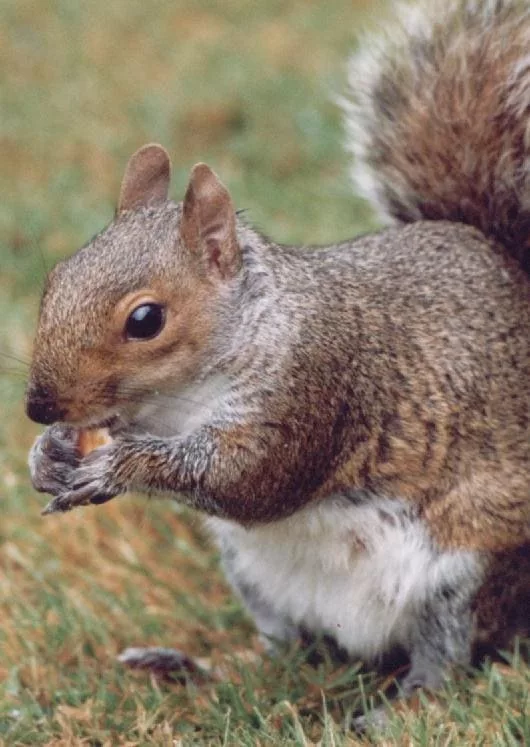
If someone asked if you had heard about the squirrel that wrote off a car, you would probably think you were about to be told a bad — or dad — joke.
But far from gags about cute critters having a mishap in borrowed wheels, the winter months have seen insurance claims worth thousands of pounds made on taxi insurance and motor trade insurance policies – with vehicles even being written off – following damage caused by animals.
Extensive damage
And instead of being unfortunate to hit a deer or badger on a country lane, the RAC has discovered that the culprit is much closer to home, with rodents nesting in vehicles to keep warm and dry during the winter months.
The problem has become so bad that the motoring organisation reported a 28% increase in insurance claims in 2024 after rats, mice and squirrels had set up home under bonnets, chewing through wires and even getting into the interior of cars, causing further damage.
The figures from Aviva reveal that the average insurance claim that year was £2,494, but in one extreme case, the bill for repairs exceeded £24,000 and the vehicle was written off because of the extensive damage that had been caused.
The problem is more common than people may think, with the insurer has reporting an 11% year-on-year increase for this type of damage, with the average claim in 2023 sitting at £2,253.
Creature comforts
As well as causing damage by chewing through wires and components, nesting in vehicle engine bays can be just as destructive.
RAC patrol Nick Isaac revealed that he once found a squirrel using an air filter as its pantry, blocking the air supply to the engine.
He said: “The car had lost power and had an odd smell. When I lifted the bonnet and revved the engine the air filter moved like it was being sucked towards the engine.
“It turned out a squirrel had been taking nuts from a bird feeder and storing them in the air box, restricting air flow to the car.”
One of his colleagues was called to an incident in 10 mice had made a nest under the panel at the bottom of the windscreen of a Porsche.
Squirreled away
One of the biggest opportunities for animals setting up nests in vehicles is when they have not been driven for a while.
It could be a taxi driver has gone on holiday and their vehicle is on their driveway or in a garage, or a motor trader with a lot full or vehicles waiting for buyers — or to be inhabited by nesting critters.
In either case, they are unwelcome guests, causing huge inconvenience as well as expensive repairs, especially for newer vehicles with complex components and driver-assistance features.
The RAC has issued precautions for drivers to take to stop animals setting up home inside their vehicles.
Spokesperson Alice Simpson said: “To reduce the risk of animal damage, check your car if it hasn’t been driven for a week or more. The best advice is to make sure no food – for pets or humans – is left inside.
“Also check for unusual smells in the vehicle and be mindful of any dashboard warning lights that don’t disappear after a minute or two. Any foodstuff in garages should be kept in airtight containers or locked in metal bins.”
If your vehicle has been damaged by nesting animals, it should be checked by a reputable mechanic to get it back on the road as quickly as possible.
Animal damage is covered by car insurance, and in more extreme cases, it is worth checking your policy and speaking to your insurer about the precise details and cost of a claim.