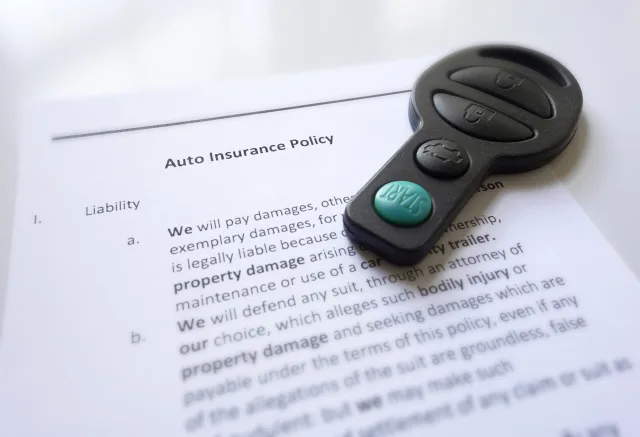
Artificial Intelligence is being used to help ghost brokers create convincing fake motor insurance policies which leave victims out of pocket and often in trouble with the law.
The problem for motorists is that the scam often only comes to light when they have been pulled over by the police or are trying to make a claim.
Sophisticated scams
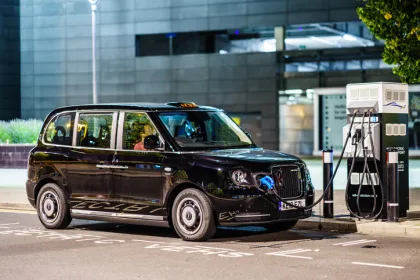
In the past, fake policies for taxi insurance, motor trade insurance and fleet insurance involved stolen original documents and bogus applications.
But now criminals are using AI to not only produce authentic-looking documents, they are also creating websites and social media profiles to complete the illusion and convince potential customers they are authentic.
The Insurance Fraud Bureau is warning drivers to make sure the broker they are using is genuine and they are covered to work as professional drivers.
Some of the scams appear so realistic that it can be difficult to distinguish them from genuine insurance brokers, who also rely on websites and social media to get across their messaging and offers.
Admiral, which provides insurance products for Patons Insurance customers, said: “While the IFB is warning people to be aware of buying insurance through social media sites, more and more insurance companies advertise insurance products online.
“If you’re unsure if the ad is from a legitimate company, contact the insurer directly for confirmation, or visit the FCA website linked here.”
Too good to be true
Criminals also rely on social media algorithms to help get their fake ads in front of the right people, such as young drivers or those with a poor claims history, looking for cheaper insurance.
The IFB has found a 52% rise in ghost broking cases between 2022 and 2024 and in May this year, the Financial Conduct Authority found that 49% of young drivers bought insurance through social media and messaging platforms. Worryingly, four in 10 said they would not know how to spot a fake policy and would fall for the sophisticated scam.
Fraudsters use portal templates which collect data and payments, with requests and responses customers would expect when taking out a genuine policy.
Katriona Cunningham, underwriting fraud lead at Aviva UK, told Insurance Business: “It is a completely fabricated document generated by AI and completely worthless.
“Where we detect it now is either a roadside check, an MIB check, or if the customer that isn’t actually a customer thinks they’re an Aviva customer and is involved in a claim.”
She is calling for social media platforms to restrict insurance advertising to FCA-authorised firms.
Paying the price
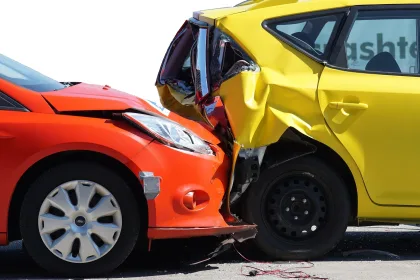
For people caught out by ghost brokers, the consequences can be severe. Whether you are stopped by the police or have been involved in a collision and are trying to submit a claim, you are driving uninsured — whatever the realistic-looking policy might say — and wind up being prosecuted for being the victim of fraud.
Victims of ghost brokers lose an average of £2,000 according to research from Aviva — before fines, driving bans and any other costs and punishments administered by the courts.
Insurance Business found that compensation payouts to victims of uninsured drivers made by the Motor Insurers’ Bureau also pushed up the price of insurance for everyone else.
Summing up the scale of the problem, Insurance Business said: “The challenge for the industry is that artificial intelligence appears to be making the problem easier to scale.
“Fraudsters who disappear after a handful of sales can quickly resurface elsewhere under a new identity.
“For consumers, that can mean discovering the fraud only when they attempt to claim, are stopped by police or find themselves prosecuted despite believing they had purchased legitimate cover.”