Many drivers use so-called “ghost number plates” to avoid fines and prosecution for traffic offences.
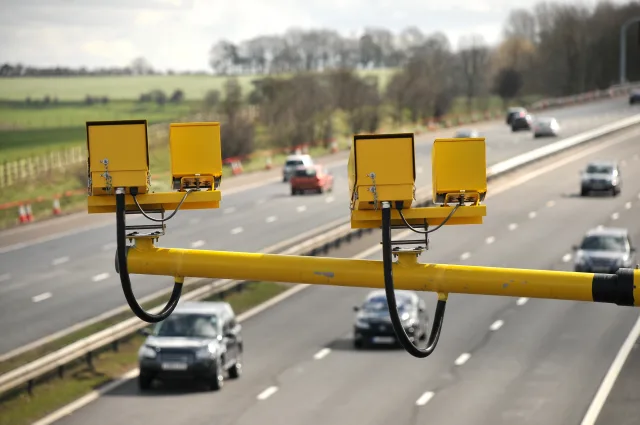
While they look like normal number plates to the naked eye, they are made from material which distorts images captured by automatic number plate recognition cameras, making them unreadable.
As well as allowing drivers to avoid motoring fines, they are also used by criminals to move around undetected.
With one in 15 vehicles believed to be fitted with ghost plates, there are serious concerns about safety on our roads.
Widespread issue
The scale of the problem has been highlighted by trials to test new technology which enables cameras to read ghost plates.
New ANPR cameras developed by MAV Systems use AI algorithms to analyse infrared and colour images — and thousands of drivers have already been caught.
Auto Express reports that one camera near the Dartford Crossing identified more than 1,000 ghost plates in one day.
Other sites near Folkestone and the M25 captured between 400 to almost 2,000 during a 24-hour period.
Auto Express said: “Such high numbers are not a surprise when you consider that a recent report by the All-Party Parliamentary Group for Transport Safety estimated that one in 15 cars on UK roads are likely displaying ghost or similar number plates designed to dodge ANPR tech.
Legal loophole
“Many of these illegal plates can be bought from several of the country’s more than 34,000 plate suppliers. While buying these plates isn’t illegal in itself, displaying them on a vehicle and driving it on the road can leave you liable to a fine of up to £1,000 and potentially your vehicle being seized.”
People using ghost plates display the genuine registration number so that checks by police will reveal it has an MOT and is taxed and insured. They just appear invisible to standard ANPR cameras.
The BBC reports that last year, 81-year-old Graham Slinn was killed on a pedestrian crossing when he was hit by a speeding car with cloned plates.
The driver, who had no licence or insurance, had also inhaled nitrous oxide just before the crash.
Police trawled through CCTV to trace the driver and even managed to capture him putting the illegal plates on his car.
He jailed for 11 years and six months for causing death by dangerous driving, driving while disqualified and driving without insurance.
Mr Slinn’s daughter, Nicola Timmis, believes illegal plates are like a “gateway drug” which allow drivers to take more dangerous risks.
She told Panorama: “It seems like it’s harmless, but then one thing leads to another, leads to another, and before you know it, it’s somebody dead. It is not a victimless crime.”
Security concerns
Being able to trace drivers for minor motoring infractions as well as more serious offences, is key to keeping people safe, police warn.
Former senior counter-terrorism officer Tony Porter told the BBC: “The police need an effective ANPR system that doesn’t have weaknesses and doesn’t put the public at risk.
“While passports have security features such as watermarks and electronic ID chips, we tolerate a £10 number plate with no security mechanism on it.”
Police are also calling for tougher regulation around the issuing of number plates.
Chief Constable Tim Forber, the UK’s policing lead on ANPR, told the BBC: “Not a week goes by where we don’t see an example of someone on cloned plates involved in serious and organised crime.”
As well as new technology which can read ghost plates, closing loopholes which leads to their use will make it more difficult for dodgy drivers and criminals to get away without being traced.
By making more drivers accountable for their actions, they might take fewer risks on the road, making them safer for everyone.