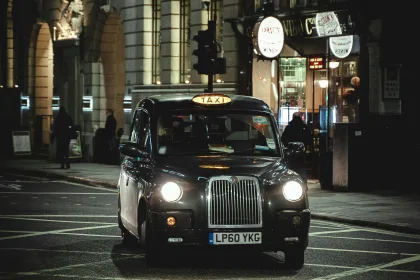
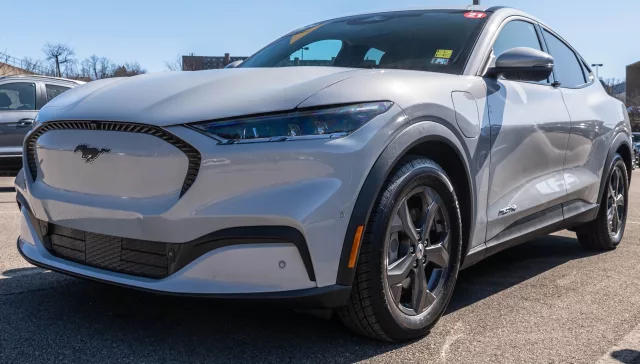
Self-driving robotaxis and buses will be allowed to navigate their way through the streets of London after successful supervised trials of autonomous ride-hailing technology in the capital.
Autonomous vehicles have been trialled in the UK for a decade, and after years of testing and pending changes to legislation, they are getting ready to become part of everyday life.
News of the latest pilot, which will begin in the spring and a year earlier than planned, comes after Uber and UK artificial intelligence firm Wayve have been testing the technology in the capital with a human safety driver. But next year, the BBC reports that the autonomous taxis will be able to operate without supervision, although it is not yet clear whether they will be able to carry passengers.
Human cost
While there has been huge investment in the technology, unions are concerned about the cost it will have on drivers’ jobs.
GMB national secretary Andy Prendergast told the BBC about the “significant social implications” driverless cars and taxis could have – including on unemployment – with driverless Uber cars operating a 20-hour-a-day service in Austin, Texas.
But there, the firm hasn’t introduced the technology at the expense of drivers. When booking a ride, the BBC notes that the Uber app allows customers to choose a robotaxi or car with a driver.
While Uber is beginning its journey with autonomous technology, other firms have already established themselves in the robotaxi market in the US as well as China, UAE and Singapore. But there are still concerns about safety and a reluctance from many people to jump into a car without a driver.
Bumpy ride
There have been incidents including minor crashes and passengers being locked in vehicles which have been put down to teething problems, but there have been more serious cases in which people have been seriously hurt and services have been cancelled.
Next spring’s London pilot is being seen as a positive step for the technology and, as Fleet News reports, is a move towards the full rollout of the robotaxi and buses when the Automated Vehicles (AV) Act becomes law from the second half of 2027.
Fleet News says the DfT’s goal for bringing forward the self-driving robotaxi trials is to help create 38,000 jobs and an industry worth £42 billion by 2035.
Transport secretary Heidi Alexander said: “The future of transport is arriving. Self-driving cars could bring jobs, investment, and the opportunity for the UK to be among the world-leaders in new technology.”
Safety first
But, addressing ongoing concerns about the technology, she stressed that road safety would be “at the heart” of the trials and legislation. And the Automated Vehicles Act will require self-driving vehicles “to achieve a level of safety at least as high as competent and careful human drivers, and they will undergo rigorous safety tests before being allowed on our roads”.
As with taxis and PHVs now, they will be required to have taxi insurance, undergo inspections and be licensed by a local authority.
Technology secretary Peter Kyle said: “It’s great to see the UK storming ahead as a global leader in using this technology – making our roads safer, travel easier and driving growth by spurring innovation across the country.”
Alex Kendall, co-founder and CEO at Wayve, said: “The UK has been Wayve’s home since 2017 – building this technology here has been an incredible journey, from testing our first prototype in Cambridge to deploying the world’s first end-to-end AI driver on public roads, starting in London and expanding nationwide.
“These early pilots will help build public trust and unlock new jobs, services, and markets. For Wayve, this means we can prioritise the UK for early deployment and help deliver safer, cleaner mobility to the UK.”
The success of the trials depends on whether robotaxis and buses are allowed to pick up passengers. Only then will we know and be reassured that the technology is safe and reliable. And while they are programmed for safety and do avoid collisions, it will be interesting to see how other drivers react to an unmanned vehicle driving next to them.