Drivers and operators face tough penalties for illegal use of a mobile phone while trying to meet the needs of their business. The harsh reality is that safety and the law come first.
Solicitor Talal Malik is an expert in motoring and licensing laws and offers his advice on how drivers and operators can balance the needs of technology with the rules of the road.
Taxi and private-hire drivers can use technology, but they cannot allow technology to compromise driving standards.
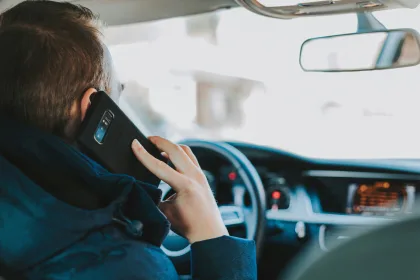
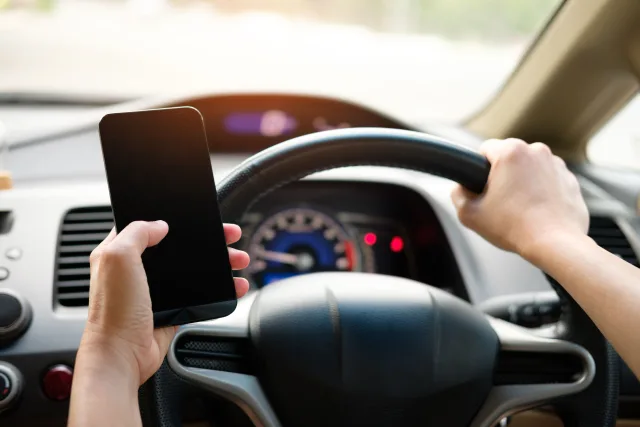
A driver should not hold a phone while driving. Traffic lights and queues should not be treated as opportunities to check the app.
Job details, passenger messages and operator instructions should not be read while moving.
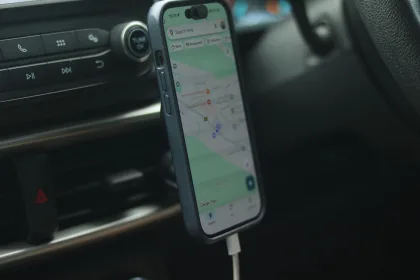
Devices used for navigation or booking information should be properly mounted and positioned so that they do not obstruct the driver’s view.
Voice features, audio alerts and auto-accept functions should be used where appropriate.
Where a booking requires reading, judgment or manual response, the driver should stop safely before dealing with it.
A very brief tap on a properly mounted device may be materially different from holding a phone or scrolling through an app.
But it is not an official rule, and it is not a defence to careless driving.
The device must not be held. The driver’s view must not be obstructed. Proper control must be maintained throughout. Once the driver begins “massaging the screen”, reading details, selecting between options, or typing a response, the conduct may quickly move from operational convenience into road traffic and licensing risk.
A fare is not worth six penalty points, a £200 fine, a licensing referral, or the loss of a driver’s livelihood.
Risks
The more serious point is that licensing authorities are not concerned only with punishment after the event.
They are concerned with future risk. A driver or operator who treats mobile device use casually may find that a single incident becomes a broader inquiry into judgment, compliance and public safety.
Where these issues arise, they require careful handling.
The factual evidence, the precise nature of the device use, the driving circumstances, the licence conditions, the local authority policy and the driver’s disclosure obligations may all affect the outcome.
The most difficult practical question is whether a driver may accept or reject a job by tapping a phone or tablet fixed in a dashboard cradle.
The answer requires care. If the device is properly secured, does not obstruct the driver’s view, and is not held at any time, the strict handheld mobile phone offence may not be made out merely because the driver briefly touches the mounted screen.
That distinction between holding a device and interacting with a fixed device is important. It should not, however, be overstated.
A mounted device is not a safe harbour. If accepting or rejecting a booking requires the driver to read fare information, assess a pick-up location, compare the destination, scroll through job details, type a response, or make a decision based on screen-based information while the vehicle is moving, the driver may still face an allegation of careless driving or failing to remain in proper control.
That is the legal framework within which app-based work must be judged. The question is not whether the driver was trying to earn a living, whether the app imposed a short acceptance window, or whether the interaction took only a few seconds. The relevant questions are whether the device was held, whether the driver’s view or control was affected, whether attention was diverted from the road, and whether the standard of driving fell below that expected of a competent and careful driver.
The safest professional position is therefore straightforward. If a booking requires reading, thought, selection, rejection, messaging or manual response, the driver should stop safely before dealing with it. A properly mounted device may reduce one category of risk. It does not remove the duty to drive with due care and attention.
Talal specialises in transport regulatory and licensing law, including representation before licensing sub-committees, Traffic Commissioners and appellate courts and tribunals. He represents drivers, operators and transport managers facing investigation, licence review, refusal, suspension, revocation or public inquiry arising from mobile phone use, app-based working practices or wider compliance concerns.

Contact Talal Malik at Transit Legal
Mobile: 07380 147535
Email: [email protected]
Web: transitlegal.co.uk