
With the UK used car market growing by 0.7% in Q2 2026, selling used cars is becoming an increasingly popular business option for many traders across the UK.
Whether you’re looking to flip a handful of cars per year or want to build a full-scale dealership, the used car market could offer a genuine route to profit. But if you’re new to the motor trade, the rules around buying and selling cars aren’t always obvious, and it can be hard to know exactly what’s legally required before getting started.
What licences do you need to buy and sell cars in the UK?
In most parts of the UK, there’s no specific ‘dealer licence’ required to buy and sell cars. However, if you’re trading in Scotland, you may be required to apply for and purchase a Second Hand Dealer’s Licence to sell used cars and parts.
Registering your business
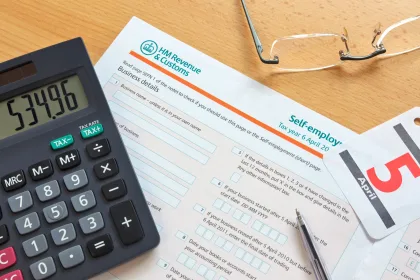
That said, if you buy and sell cars regularly with the intention of making a profit, you do need to register your business activities with HMRC. This applies whether you’re operating as a sole trader or through a limited company. Once registered, you’ll be responsible for declaring your income and paying the appropriate tax on your profits from trading, just as you would with any other business.
Trade plates
You’ll also need trade plates. These are the red number plates that allow you, your employees and customers to drive vehicles in your possession without needing to pay for registration and tax.
Trade plates allow you to carry out essential activities within the motor trade, such as:
- Carrying out test drives.
- Delivering cars to customers.
- Moving stock.
Trade plates are issued by the DVLA and come with their own set of conditions on how and when they can be used, so it’s worth familiarising yourself with the rules before using them.
Do you need motor trade insurance?
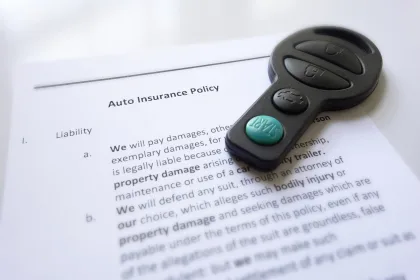
Yes, motor trade insurance is a legal requirement if you’re buying and selling vehicles for profit, even if you’re home-based or trade part-time. Standard car insurance will not cover you for the additional risks that come with trading cars, and trying to operate without motor trade insurance could lead to prosecution and fines.
Motor trade insurance is specifically designed to cover anyone running a motor trade business with the need to cover multiple vehicles. It ensures your assets, employees, and customers are protected.
Types of motor trade insurance
There are two main types of motor trade insurance to be aware of:
Road risk insurance – this covers you and your employees to drive any vehicles related to your business on public roads, including vehicles you do not own.
Combined motor trade insurance – this includes road risk cover but can also provide additional cover for tools, equipment, employees’ liability, public liability, stock of vehicles and business interruption.
The right policy for you will depend on the scale of your business, whether you have a physical premises, and how many people are involved in day-to-day operations.
Getting started the right way
Depending on what part of the UK you’re in, buying and selling cars in the UK doesn’t necessarily require a dealer licence, but it does come with legal obligations. From registering with the HMRC and applying for trade plates to arranging motor trade insurance, getting the fundamentals right from day one will allow you to trade with confidence and avoid costly problems further down the line.
Get motor trade insurance from Patons
When you’re new to the motor trade industry, getting the correct motor trade cover is one of the most important foundations you can lay.
Want to find the right motor trade insurance for your business? Get in touch with our team today on 0333 015 6886 or start your quote online.