
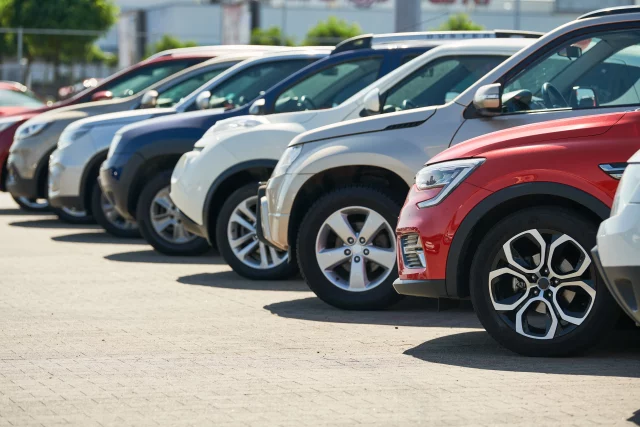
According to the SMMT, over 7 million used car transactions took place in the UK in 2025 – a 2.2% increase compared to 2024.
With demand for used vehicles continuing to grow, selling cars from home can look like an easy way to make money. However, before getting started, it’s important to understand the legal responsibilities, financial risks, and practical challenges involved in building a successful car-selling business.
This guide explains what to consider to help you decide whether selling cars from home is right for you.
Selling cars from home – what to consider
1. The type of business you want to run
Before getting started, it’s important to have a clear idea of what type of car-selling business you want to run. Are you planning to buy vehicles and flip them quickly for profit, or will you carry out repairs and fix up older cars before selling them on? Each route requires a different set of skills, so it’s important to think about what will suit you best before you dive in.
2. How you will source cars and where you’ll sell them
There are a few different places to buy cars to resell, including:
- Online marketplaces.
- Auction houses.
- Auction websites.
You should also think about where you plan to advertise your vehicles. Platforms like Autotrader, eBay, and Gumtree could be good starting points, and social media can also be a powerful way to reach potential buyers.
3. Using your home as a base
You may need to apply for planning permission from your local council if you want to sell cars from home.
It’s always best to:
- Check your local council rules for operating a business from home.
- Make sure you’re not violating parking or zoning rules once you start trading.
- Be mindful of neighbours and let them know you’re planning to sell cars from your home as a courtesy – lots of car turnover and disruption can cause complaints.
4. Keeping records and important documents
Once you’re trading, you must keep detailed and accurate records to comply with tax, consumer protection, and DVLA regulations.
Required documents include:
- V5C registration certificates.
- MOT certificates.
- Service history and receipts for vehicle servicing and repairs.
- Sales records.
5. Registering your business
When you regularly sell cars for profit in the UK, you’re considered a trader, not a private seller, so you will need to register your business activities with the HMRC.
If you’re just starting out, registering as a sole trader is usually the simplest option to set up and keep records for.
6. Motor trade insurance
Once you’ve set yourself up as a motor trader, you will have to get the right insurance.
Because regularly selling cars for profit makes you a trader, standard car insurance will not cover you for business activities – you must have a specialised motor trade policy.
You could face prosecution if you’re carrying out business activities without motor trade insurance in place. You can still get motor trade insurance even if you’re trading from home.
💡Read our expert guide for more information about home-based motor trade insurance.
7. Trade plates
You will also need trade plates to legally drive the vehicles that you’re selling on public roads without registering them or paying for tax. Trade plates will also allow customers to test-drive vehicles before purchasing them.
To get trade plates, you must apply for a trade plate licence through the DVLA.
Top tips for success
1. Set up a business plan
Setting up a business plan is crucial to your success. It will help you set out your goals and figure out what to do to give you the best chance of reaching them.
You’ll also have to show evidence of a business plan if you want to secure an investment or loan from a bank.
2. Know your finance options
Find out what finance options are available to you, should you need them. The government website offers a directory to help businesses find local finance and support.
The Institute of Chartered Accountants in England and Wales also has a business finance guide to help businesses understand their options.
3. Research your market
Understanding which vehicles are in demand, seasonal trends, and pricing patterns in the used car market will give you good insight into which cars to sell and how to price them. You may even choose to focus on a particular market, such as families or first-time buyers.
Summary
Starting a car-selling business from home can be a rewarding side hustle if approached correctly. Understanding the key requirements and creating a comprehensive business plan will help put you on the right track for success.
If you’re looking for motor trade insurance for your car-selling business, we can help. We offer insurance solutions to ensure your assets, employees, and customers are fully protected.
Get your quote today by calling us on 0333 015 6886 or completing our quote form.